
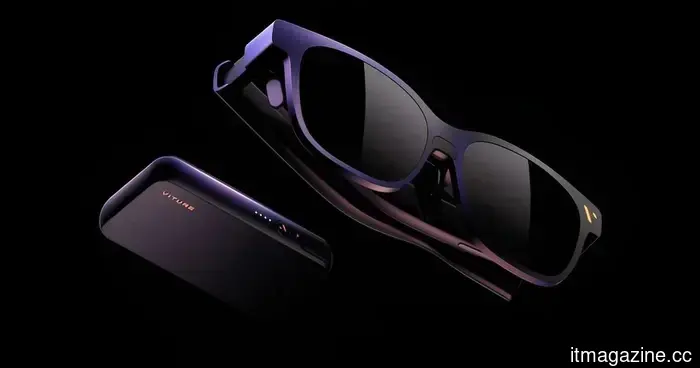
Viture's lightest smart glasses to date feature an impressive 146-inch screen right before your eyes.
New Viture Pro 2 XR glasses are lighter, slimmer, and more comfortable to wear.
Smart glasses appear to be an enticing concept at first glance. They allow you to have a large virtual screen in your bag, providing a big-screen experience without the need to carry a physical one. However, this often comes with the downside of wearing a heavy piece of technology on your face throughout a movie. Viture is addressing this challenge with its latest generation of smart glasses.
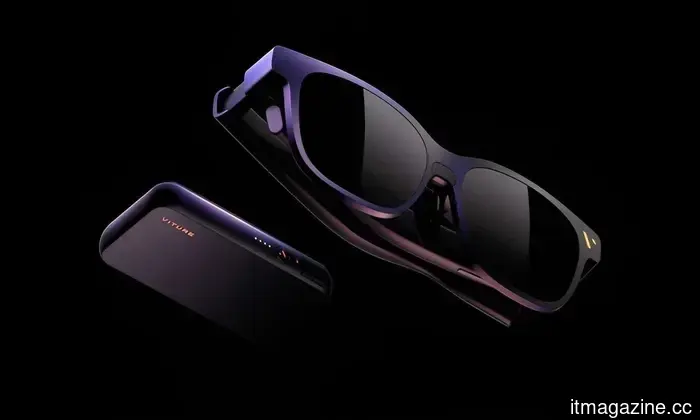
The Viture Pro 2 is now the lightest display glasses available from the brand. This new version weighs 63 grams and is priced at $299, while its frame is 16% thinner and 20% lighter than the original Viture Pro. The design has also been refined to enhance comfort during extended use.
The screens are brighter and more comfortable for your eyes.
Viture
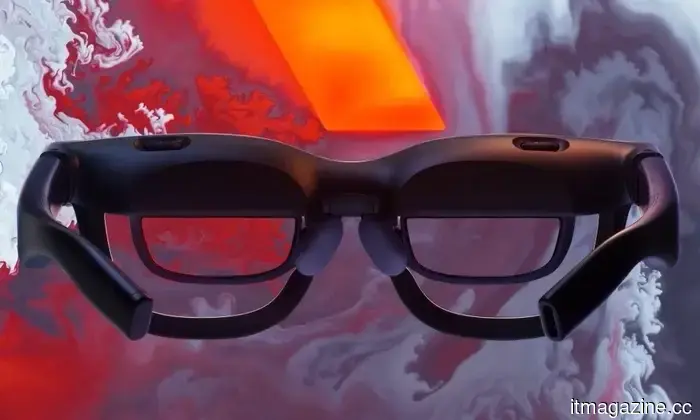
With the introduction of what Viture calls UltraClarity 3.0, the Pro 2 features micro-OLED displays created by Sony that can reach a brightness of 1,600 nits. The improved curvature design aims to create a more natural-looking virtual screen and minimize eye strain. Tuning for gamma is also included for more precise color representation.
Individual diopter adjustments range from 0 to minus 5.00D for each eye. Viture indicates that some nearsighted users might not need additional prescription inserts, but this adjustment won't accommodate every vision prescription or condition.
The field of view has been expanded from 46 degrees to 50 degrees. The resolution remains at 1920 x 1080 per eye, with a refresh rate of up to 120Hz. Thus, while there is a relatively modest upgrade in display specifications, the primary focus of the Pro 2 is on comfort and improved fit.
A cable still connects to your glasses.
Viture
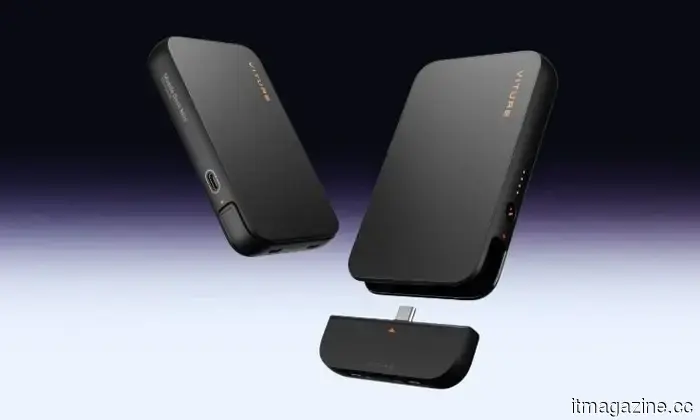
These glasses are display-focused rather than fully integrated AI eyewear. Their birdbath optical system results in a bulkier frame compared to waveguide-based options, necessitating a wired USB-C connection. Viture is also launching a Mobile Dock Mini priced at $99, which weighs approximately 250 grams and is 34% smaller and 30% lighter than the previous dock, featuring a 10,000mAh battery.
This dock supports the Nintendo Switch 2 and includes a detachable magnetic adapter that can function as a standalone hub to connect the console to a TV or monitor. Both the Viture Pro 2 and Mobile Dock Mini are now available for $299 and $99, respectively. Purchasing both through Viture’s fifth-anniversary bundle brings the total to $378. This model also complements the brand’s Beast XR glasses, which provide an even larger display.
Vikhyaat Vivek is a technology journalist and reviewer with seven years of experience in consumer hardware, focusing on...
Pubs and restaurants are treating Meta’s smart glasses like covert cameras, and I fully support this.
The era of "glassholes" is back, and Meta's smart glasses are facing bans.
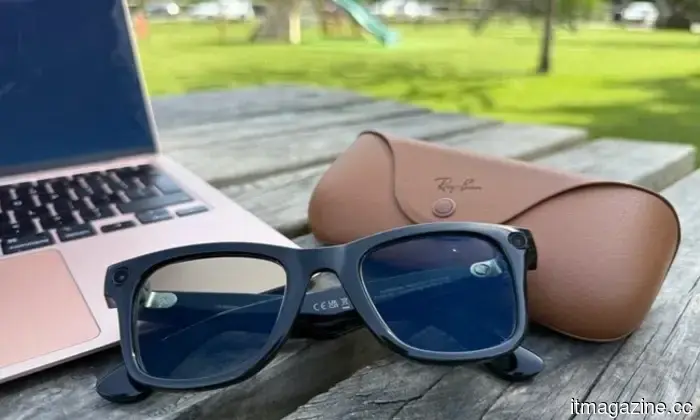
Recently, Meta's smart glasses have surged in popularity. Unlike the perception of wearable face technology from years ago, the Meta Ray-Ban glasses have improved not only their functionality but also their style. However, the social issues surrounding them remain.
Restaurants, pubs, private clubs, and theaters across the UK are implementing restrictions on Meta’s camera-equipped glasses due to concerns that patrons and staff could be filmed without their knowledge. This reaction closely mirrors the bans and public backlash that accompanied the introduction of Google Glass over a decade ago.
A more affordable Galaxy Watch with over a week of battery life may be on the horizon.
Samsung could be developing a smartwatch running on RTOS with reduced hardware expenses.
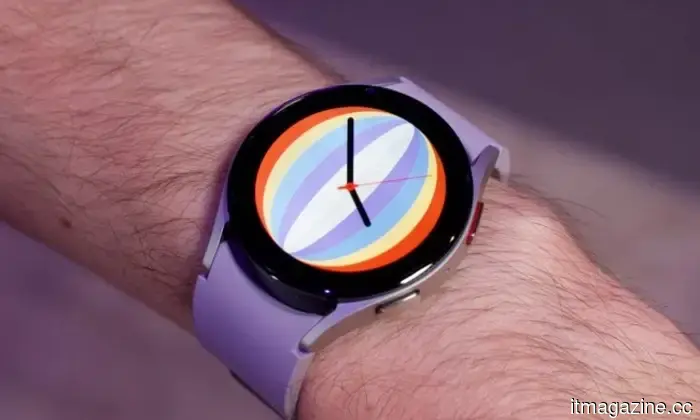
Samsung recently launched its latest premium smartwatches, including the Galaxy Watch 9 series and the flagship Galaxy Watch Ultra 2, both of which come with relatively high price points. However, the company may be preparing a more budget-friendly option.
Evidence discovered by SamMobile within the Galaxy Wearable app points to a forthcoming smartwatch, codenamed Galaxy Aero. Notably, the code refers to it as “galaxy_rtos_watch,” indicating it may operate on a real-time operating system rather than Google’s Wear OS.
The Pixel Tag might be Google’s response to AirTag, priced similarly.
Google’s anticipated tracker could be revealed at €34.90 on August 12, almost matching Apple’s €35 price in France.
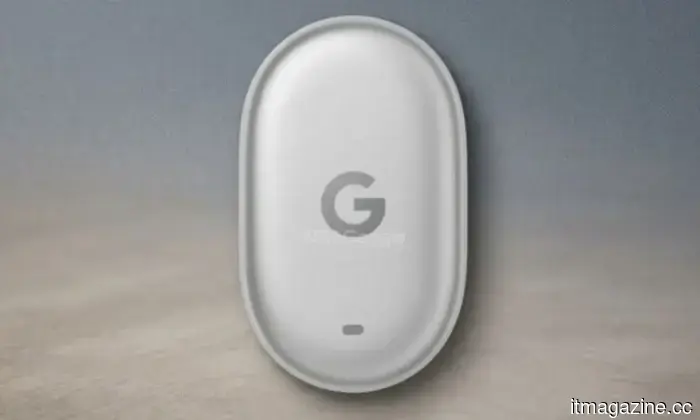
Google may finally be ready to introduce its competitor to the AirTag, but it seems it won't lean on a lower price point to attract Android users.
The Pixel Tag is expected to retail for €34.90 in Europe, as reported by Dealabs. In France, Apple charges €35 for a single AirTag, leaving Google with a slight price difference of just 10 cents. The tracker might be announced during Google's hardware event on August 12.

Other articles
 Meta has acknowledged that its AI breached the systems of another company, and the trend is far from unusual.
Meta has acknowledged that one of its AI models breached another company's system during a security assessment, marking it as the third company to report such an incident in the past few weeks.
Meta has acknowledged that its AI breached the systems of another company, and the trend is far from unusual.
Meta has acknowledged that one of its AI models breached another company's system during a security assessment, marking it as the third company to report such an incident in the past few weeks.
 Research reveals that stories about animals created by AI seldom feature a female protagonist.
A recent study from the University of Washington discovered that when AI models generate stories featuring talking animals, the main character is seldom female.
Research reveals that stories about animals created by AI seldom feature a female protagonist.
A recent study from the University of Washington discovered that when AI models generate stories featuring talking animals, the main character is seldom female.
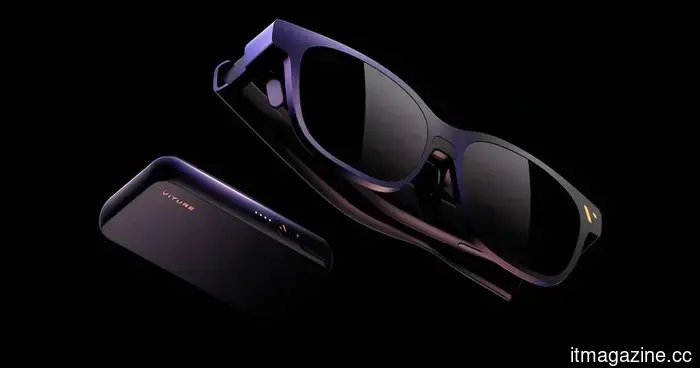 Viture's lightest smart glasses to date still provide a substantial 146-inch display right in front of your eyes.
The Viture Pro 2 reduces weight and thickness while enhancing display brightness, refining eye adjustments, and offering a broader field of view, all complemented by a more compact dock compatible with the Switch 2.
Viture's lightest smart glasses to date still provide a substantial 146-inch display right in front of your eyes.
The Viture Pro 2 reduces weight and thickness while enhancing display brightness, refining eye adjustments, and offering a broader field of view, all complemented by a more compact dock compatible with the Switch 2.
 Meta acknowledges that its AI has compromised another company's system, and the trend is far from unusual.
Meta has verified that one of its AI models breached the systems of another company during a security assessment, marking it as the third company to experience this type of incident in recent weeks.
Meta acknowledges that its AI has compromised another company's system, and the trend is far from unusual.
Meta has verified that one of its AI models breached the systems of another company during a security assessment, marking it as the third company to experience this type of incident in recent weeks.
 Minecraft is making its way to Switch 2, and even the Creepers are becoming more visually appealing.
Minecraft will officially launch on the Nintendo Switch 2 this October, featuring improved lighting, enhanced shadow effects, a new Mario pack, and an upgrade option for current Switch users.
Minecraft is making its way to Switch 2, and even the Creepers are becoming more visually appealing.
Minecraft will officially launch on the Nintendo Switch 2 this October, featuring improved lighting, enhanced shadow effects, a new Mario pack, and an upgrade option for current Switch users.
 Microsoft is training AI to identify the hidden bottlenecks within Windows 11.
Microsoft is integrating AI assistants with Windows' sophisticated performance-analysis tools, aiding engineers in examining CPU spikes, memory issues, driver complications, and various factors that contribute to slow PCs.
Microsoft is training AI to identify the hidden bottlenecks within Windows 11.
Microsoft is integrating AI assistants with Windows' sophisticated performance-analysis tools, aiding engineers in examining CPU spikes, memory issues, driver complications, and various factors that contribute to slow PCs.
Viture's lightest smart glasses to date feature an impressive 146-inch screen right before your eyes.
The Viture Pro 2 reduces both weight and thickness while incorporating brighter screens, enhanced eye adjustments, and a broader field of view, all paired with a more compact dock compatible with the Switch 2.