
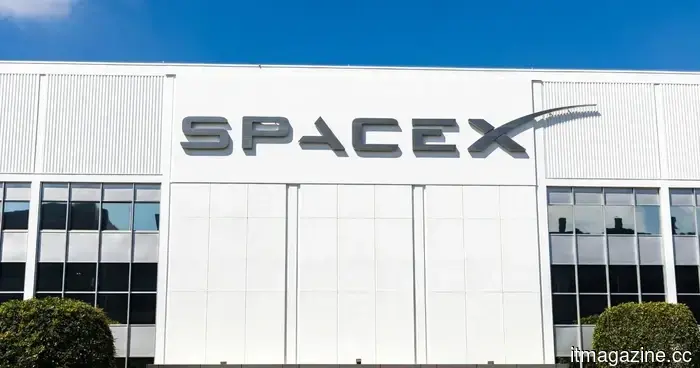
SpaceX aims to compete with Verizon, AT&T, and T-Mobile by launching its own mobile network.
SpaceX aims to transform every rooftop Starlink dish into a compact cell tower.
During its initial earnings call as a publicly traded company, SpaceX unveiled a long-term plan, as stated by President Gwynne Shotwell to investors. The company plans to establish a comprehensive mobile network to attract customers away from major providers like AT&T, Verizon, and T-Mobile (according to Reuters).
Elon Musk supported her remarks, highlighting the EchoStar spectrum agreement as the basis for something far larger than the current Starlink satellite internet venture (as reported by TheVerge).
What is SpaceX's strategy to take on the leading carriers?
SpaceX already operates Starlink Mobile, which collaborates with carriers to offer messaging and limited data in locations where traditional cellular coverage is insufficient. The company now seeks to broaden this into a full mobile service by combining satellite connectivity with a new ground-based network.
Shotwell mentioned that SpaceX would utilize the terrestrial rights linked to the EchoStar spectrum to develop this network, aiming to increase available bandwidth from approximately 5 megahertz through carrier collaborations up to 65 megahertz. Alongside next-generation Starlink Mobile V2 satellites, she stated the service should become significantly improved, potentially offering capabilities up to 100 times greater than current offerings.
Instead of relying on costly, large cell towers, Musk proposed deploying numerous small base stations adjacent to existing Starlink dishes already mounted on rooftops. SpaceX believes this strategy could enhance bandwidth while substantially reducing deployment costs. The commercial launch is targeted for late next year, and the service is expected to support voice and video calls through applications such as Signal and WhatsApp.
Is SpaceX truly capable of competing with Verizon, AT&T, and T-Mobile?
Currently, SpaceX possesses significantly less wireless spectrum compared to the three major carriers, which suggests that it will need additional spectrum or highly efficient infrastructure to effectively compete nationwide. Nonetheless, SpaceX seems confident.
Shotwell estimated that the US wireless market is worth around $600 billion annually, and she expressed optimism that the company will attract customers due to its belief in superior service offerings. While this remains more of a vision for now, it indicates that SpaceX seeks to establish a meaningful presence in the US wireless sector.


Other articles
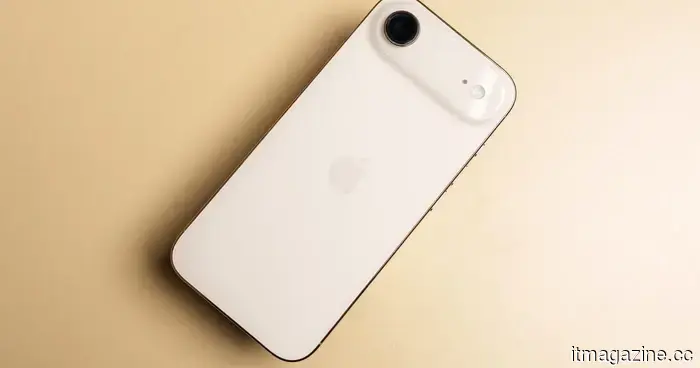 Apple's iPhone Air might be the model for its 20th anniversary iPhone.
Leaked information suggests that the iPhone 20 will adopt its frame design from the iPhone Air, featuring a larger vapor chamber and bigger displays typical of Pro models.
Apple's iPhone Air might be the model for its 20th anniversary iPhone.
Leaked information suggests that the iPhone 20 will adopt its frame design from the iPhone Air, featuring a larger vapor chamber and bigger displays typical of Pro models.
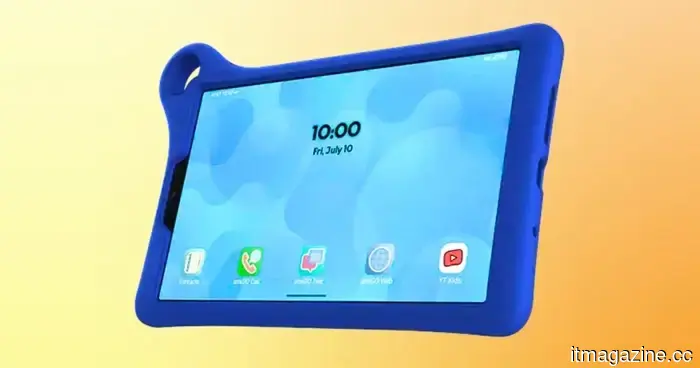 AT&T has just provided parents with a children's tablet that allows them to keep their iPad intact.
AT&T's latest amiGO Jr. Tab 2 features 5G connectivity, a bigger anti-glare screen, and includes a stylus designed for children.
AT&T has just provided parents with a children's tablet that allows them to keep their iPad intact.
AT&T's latest amiGO Jr. Tab 2 features 5G connectivity, a bigger anti-glare screen, and includes a stylus designed for children.
 Sunbird reintroduces its iMessage app for Android, three years following a privacy controversy that led to its closure.
Sunbird Messaging is making a comeback on Android following its shutdown in 2023, introducing encryption improvements, a priority inbox, and an AI assistant set to launch later this year.
Sunbird reintroduces its iMessage app for Android, three years following a privacy controversy that led to its closure.
Sunbird Messaging is making a comeback on Android following its shutdown in 2023, introducing encryption improvements, a priority inbox, and an AI assistant set to launch later this year.
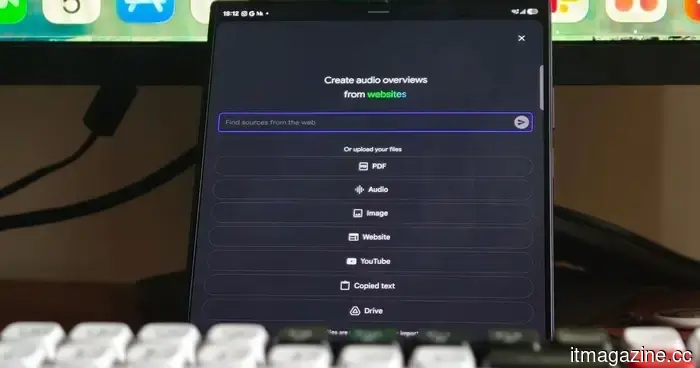 Having spent a week with the Gemini Notebook on my Galaxy Z Fold 8 Ultra, I can't envision using it on a flat phone.
I already found Gemini Notebook to be fantastic — that was until I used it on a foldable device. Now, I can't envision using it any other way.
Having spent a week with the Gemini Notebook on my Galaxy Z Fold 8 Ultra, I can't envision using it on a flat phone.
I already found Gemini Notebook to be fantastic — that was until I used it on a foldable device. Now, I can't envision using it any other way.
 Huawei created an incredibly sleek laptop that is 35% lighter than the MacBook Air. Unfortunately, it’s not a necessity for you.
Huawei's newest MateBook incorporates a 14.2-inch OLED touchscreen and a 54Wh battery within a 798-gram frame, featuring a privacy display for use in public settings.
Huawei created an incredibly sleek laptop that is 35% lighter than the MacBook Air. Unfortunately, it’s not a necessity for you.
Huawei's newest MateBook incorporates a 14.2-inch OLED touchscreen and a 54Wh battery within a 798-gram frame, featuring a privacy display for use in public settings.
 Asus and Gigabyte have increased the price of your upcoming RTX 50 GPU.
Asus and Gigabyte have announced new price increases on RTX 50-series and Radeon graphics cards, and the situation is looking bleak.
Asus and Gigabyte have increased the price of your upcoming RTX 50 GPU.
Asus and Gigabyte have announced new price increases on RTX 50-series and Radeon graphics cards, and the situation is looking bleak.
SpaceX aims to compete with Verizon, AT&T, and T-Mobile by launching its own mobile network.
SpaceX has announced intentions to establish a comprehensive mobile network utilizing EchoStar spectrum and rooftop base stations, with the goal of directly competing with AT&T, Verizon, and T-Mobile by the end of next year.