
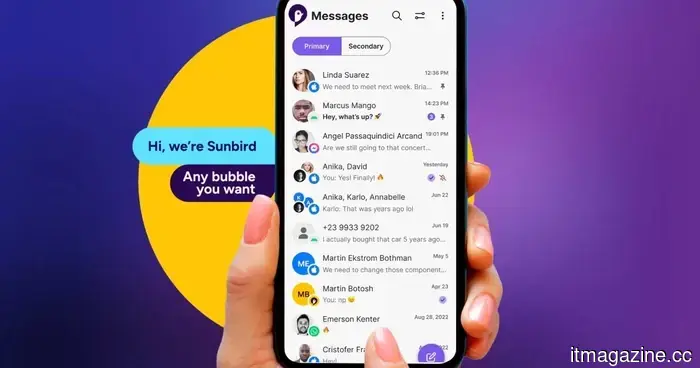
Sunbird reintroduces its iMessage app for Android, three years following a privacy controversy that led to its closure.
Sunbird makes a return to Android with enhanced encryption and an AI assistant on the horizon.
Sunbird's aspiration to provide Android users with a blue bubble experience is making another pass, and this time the company claims to have gained your trust. Sunbird Messaging, the application that allows Android users to participate in iMessage conversations without the stigma of the green bubble, is now available on the Google Play Store after remaining inactive since 2023.
Previously, security experts found that the app was transmitting Apple ID credentials over unencrypted connections and was silently recording user messages through a debugging tool, despite Sunbird's public assertions of complete end-to-end encryption. This revelation prompted both Sunbird and its partnership with Nothing Phone to abruptly cease operations.
What's new in the updated Sunbird app?
According to Sunbird, messages are now encrypted on the device, encrypted again during transit, and stored using AES 256 encryption while on the device. CEO Danny Mizrahi stated that an independent security firm reviewed the revised app and identified no significant vulnerabilities, noting that Apple ID passwords are employed only once to initiate a session and are then completely removed.
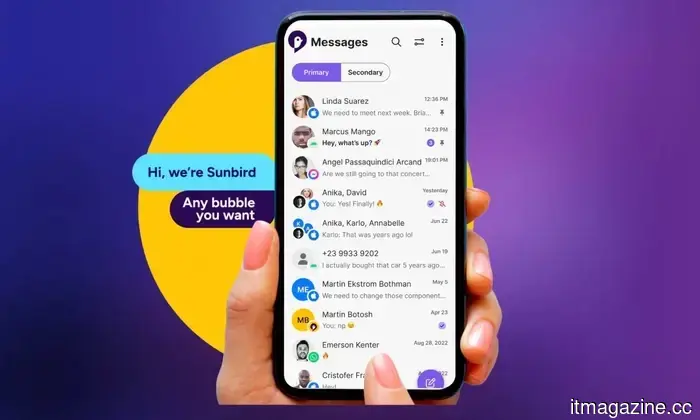
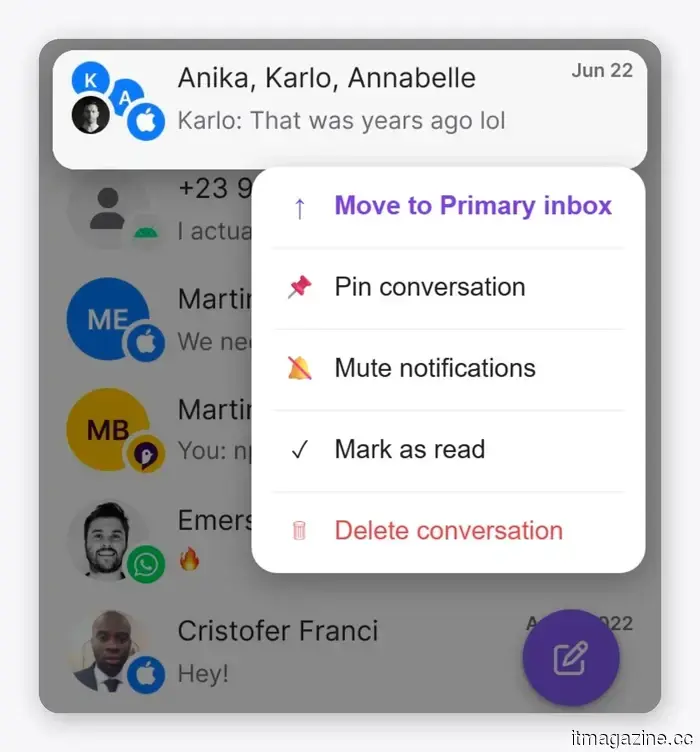
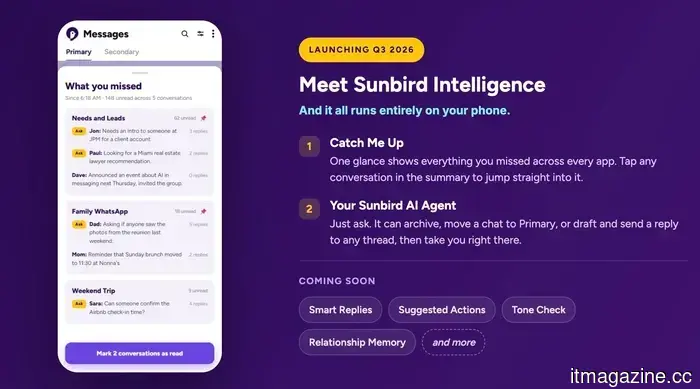
The app also launches a new priority inbox, categorizing conversations into Primary and Secondary tabs to prevent important chats from being lost. Beyond iMessage, Sunbird has integrated Google Messages and SMS into one inbox, with plans to incorporate WhatsApp and Facebook Messenger later this year.
What lies ahead for Sunbird?
Sunbird also hinted at an AI assistant named Sunbird Intelligence, anticipated to launch in the third quarter of 2026, aimed at summarizing missed conversations and assisting in drafting responses. Reportedly, over 181,000 individuals signed up during the app’s closed access phase preceding this relaunch. Whether Sunbird has resolved the issues that led to its previous shutdown is a question that only time—and likely another external security audit—will clarify.
Manisha Priyadarshini is a tech and entertainment writer with over nine years of editorial experience.
WhatsApp is simplifying the process for channel admins to label AI-generated posts, as not every image in your preferred channel is as genuine as it appears.
WhatsApp previously allowed channel admins to mark sponsored posts with a paid partnership label, a feature that began rolling out last month on Android and iOS. Now, the app is developing something similar, this time for AI-generated media. The goal is to keep followers informed when a photo or video is created by an AI tool rather than captured by a camera.
How will the new AI label function?
Read more.
Meta has inadvertently hosted ads containing AI-generated child sexual abuse content, continuing years of shortcomings in child safety measures.
According to a recent investigation by Wired, Meta's ad platform has run multiple paid advertisements featuring explicit AI-generated child sexual abuse imagery over the past nine months, some of which remained active even after the company was made aware of them.
If this situation feels familiar, that's likely because it is. Just weeks before this latest report, a separate BBC investigation uncovered that Instagram was running paid advertisements promoting child sexual abuse material in India, directing users to Telegram channels that sell illegal content.
Read more.
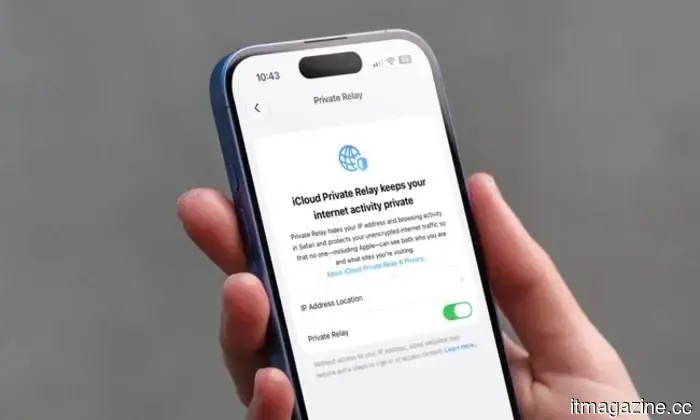
Apple’s iCloud Private Relay may not be as secure as you believe, as your actual IP address might be leaking, with passkeys being the culprits.
If you subscribe to iCloud+ and depend on Private Relay to conceal your IP address while browsing, this information may concern you. New research by security experts Tommy Mysk and Talal Haj Bakry, first reported by 404 Media, reveals that Private Relay does not protect your IP address as effectively as Apple claims.
How does the leak actually occur?
Read more.

Other articles
 Huawei created an incredibly sleek laptop that is 35% lighter than the MacBook Air. Unfortunately, it’s not a necessity for you.
Huawei's newest MateBook incorporates a 14.2-inch OLED touchscreen and a 54Wh battery within a 798-gram frame, featuring a privacy display for use in public settings.
Huawei created an incredibly sleek laptop that is 35% lighter than the MacBook Air. Unfortunately, it’s not a necessity for you.
Huawei's newest MateBook incorporates a 14.2-inch OLED touchscreen and a 54Wh battery within a 798-gram frame, featuring a privacy display for use in public settings.
 SpaceX aims to compete with Verizon, AT&T, and T-Mobile by launching its own mobile network.
SpaceX has announced intentions to establish a comprehensive mobile network utilizing EchoStar spectrum and rooftop base stations, with the goal of directly competing with AT&T, Verizon, and T-Mobile by the end of next year.
SpaceX aims to compete with Verizon, AT&T, and T-Mobile by launching its own mobile network.
SpaceX has announced intentions to establish a comprehensive mobile network utilizing EchoStar spectrum and rooftop base stations, with the goal of directly competing with AT&T, Verizon, and T-Mobile by the end of next year.
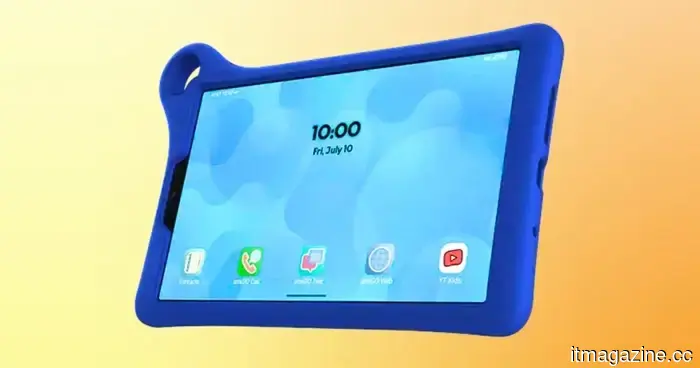 AT&T has just provided parents with a children's tablet that allows them to keep their iPad intact.
AT&T's latest amiGO Jr. Tab 2 features 5G connectivity, a bigger anti-glare screen, and includes a stylus designed for children.
AT&T has just provided parents with a children's tablet that allows them to keep their iPad intact.
AT&T's latest amiGO Jr. Tab 2 features 5G connectivity, a bigger anti-glare screen, and includes a stylus designed for children.
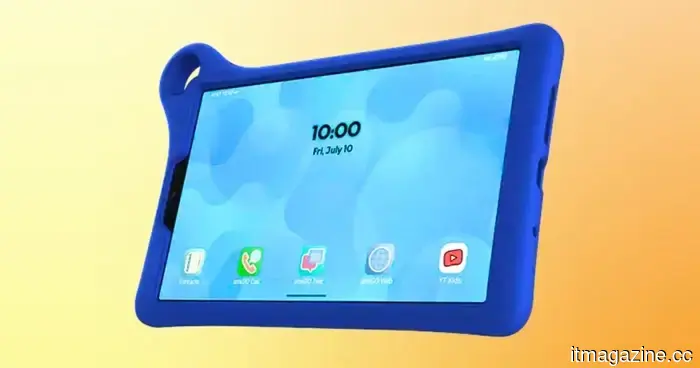 AT&T has just provided parents with a children's tablet that allows them to keep their iPad.
AT&T's latest amiGO Jr. Tab 2 features 5G connectivity, an expanded anti-glare screen, and includes a stylus designed for children.
AT&T has just provided parents with a children's tablet that allows them to keep their iPad.
AT&T's latest amiGO Jr. Tab 2 features 5G connectivity, an expanded anti-glare screen, and includes a stylus designed for children.
 Huawei has created an incredibly slim laptop that is 35% lighter than the MacBook Air. Unfortunately, it seems you have no use for it.
Huawei's newest MateBook incorporates a 14.2-inch OLED touchscreen and a 54Wh battery within a 798-gram body, while also featuring a privacy display for public use.
Huawei has created an incredibly slim laptop that is 35% lighter than the MacBook Air. Unfortunately, it seems you have no use for it.
Huawei's newest MateBook incorporates a 14.2-inch OLED touchscreen and a 54Wh battery within a 798-gram body, while also featuring a privacy display for public use.
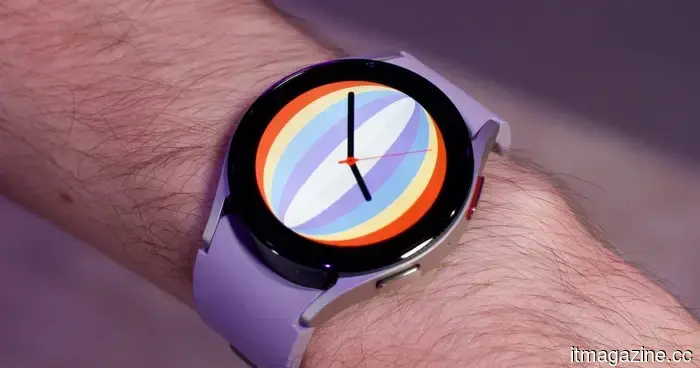 A more affordable Galaxy Watch with a battery life exceeding a week might be in development.
References discovered within the Galaxy Wearable app suggest a new Samsung smartwatch referred to as Galaxy Aero, which may operate on RTOS instead of Wear OS and could have a battery life exceeding a week between charges.
A more affordable Galaxy Watch with a battery life exceeding a week might be in development.
References discovered within the Galaxy Wearable app suggest a new Samsung smartwatch referred to as Galaxy Aero, which may operate on RTOS instead of Wear OS and could have a battery life exceeding a week between charges.
Sunbird reintroduces its iMessage app for Android, three years following a privacy controversy that led to its closure.
Sunbird Messaging is making a comeback on Android following its shutdown in 2023, introducing encryption improvements, a priority inbox, and an AI assistant set to launch later this year.