
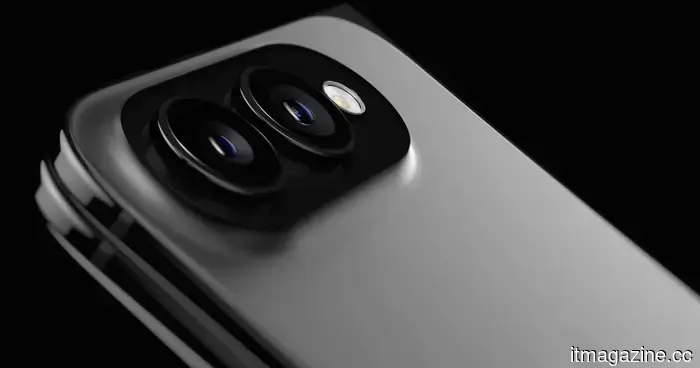
Apple might alter its iPhone launch approach, potentially impacting the standard iPhone the most.
Apple's iPhone releases have maintained a consistent pattern for years. Each September, Apple reveals its latest flagship models, followed by a more budget-friendly "e" model in the spring. This strategy has been straightforward, but it might be changing soon.
Recent reports indicate a significant shift starting with the iPhone 18 lineup, which we've discussed in previous months. Instead of unveiling all new iPhones at a single event, Apple is reportedly considering distributing its releases over two seasons. If this occurs, the standard iPhone may not have its typical September launch for the first time, representing one of the most significant changes to the company's launch strategy in years.
A foldable iPhone could be the driving force behind this change
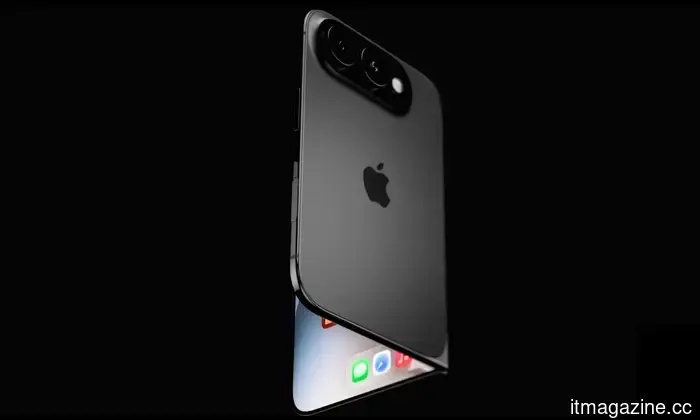
If the reports hold true, Apple’s fall event in 2027 may not feature four new iPhones. Instead, the focus could be on the iPhone 18 Pro, iPhone 18 Pro Max, and the much-anticipated foldable iPhone — dubbed the Ultra. While this may initially seem odd, it becomes clearer when considering Apple’s expanding product range. With the Pro models, the foldable device, the "e" series, and the Air lineup, the company now has significantly more products vying for consumer attention than it did a few years ago.
Front Page Tech / YouTube
By distributing launches instead of cramming them into one keynote, each device could receive more emphasis. A foldable iPhone would likely steal the spotlight, while the standard model could be eclipsed if launched at the same event. Introducing the standard model in the spring would also create an opportunity for a second-generation iPhone Air, assuming Apple continues that lineup.
Timing might benefit Apple
There could be practical reasons behind the anticipated change. Memory prices have been rising across the industry, and component costs are putting pressure on smartphone manufacturers. During Apple’s latest earnings call, CEO Tim Cook noted that memory pricing is expected to remain challenging beyond the current quarter, though costs for some other components might improve. If supply pressures begin to ease in the coming months, postponing the regular iPhone launch could offer Apple more flexibility concerning pricing and production.
MacRumors / MacRumors
This change could also be advantageous for consumers. Rather than waiting almost a full year after the release of the Pro models, those who prefer the standard iPhone or have carrier contracts that expire early in the year would have a new option available just months later. While nothing has been confirmed, reports suggest that Apple’s next September event will still unveil the iPhone 18 Pro, iPhone 18 Pro Max, and the company's first foldable iPhone, along with new Apple Watch models. If this occurs, it would represent the start of Apple’s most significant shake-up in iPhone launches in over a decade. For consumers, this may require some adjustment, but for Apple, spreading out launches could allow each iPhone announcement to feel like a major event rather than competing for attention during the same presentation.
Otros artículos
 GM is developing its own in-car AI assistant because Google’s Gemini is unable to tap into the car's knowledge.
TL;DRGM will introduce a unique AI assistant later this year that enhances Gemini by incorporating OnStar, vehicle telemetry, and predictive maintenance features. The LLM provider remains unnamed. Gemini will continue to be available. General Motors will unveil its proprietary in-vehicle AI assistant.
GM is developing its own in-car AI assistant because Google’s Gemini is unable to tap into the car's knowledge.
TL;DRGM will introduce a unique AI assistant later this year that enhances Gemini by incorporating OnStar, vehicle telemetry, and predictive maintenance features. The LLM provider remains unnamed. Gemini will continue to be available. General Motors will unveil its proprietary in-vehicle AI assistant.
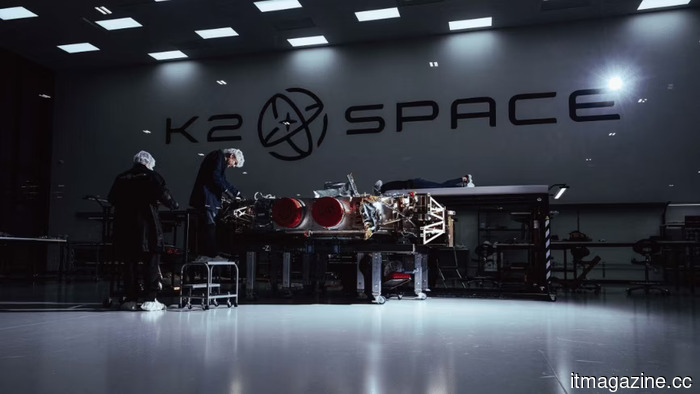 While others are reducing the size of satellites, K2 has secured $500 million to create large satellites and deploy AI in space.
While most satellite startups are competing to develop smaller systems, K2 Space is intentionally taking a different approach by focusing on larger designs. The company recently secured $500 million from investors to continue its expansion. K2 announced on Thursday that it raised a $500 million Series D round at a valuation of $6.8 billion.
While others are reducing the size of satellites, K2 has secured $500 million to create large satellites and deploy AI in space.
While most satellite startups are competing to develop smaller systems, K2 Space is intentionally taking a different approach by focusing on larger designs. The company recently secured $500 million from investors to continue its expansion. K2 announced on Thursday that it raised a $500 million Series D round at a valuation of $6.8 billion.
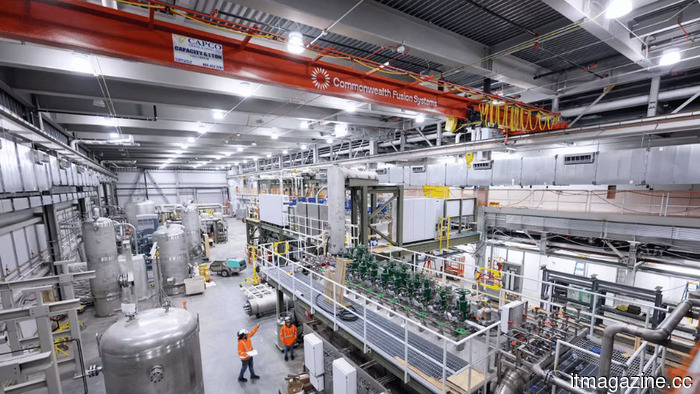 Fusion's most well-funded venture has secured an additional $1 billion and brought on board the banker responsible for taking Moderna public.
The surge in AI requires massive amounts of electricity, which has transformed fusion, long ridiculed as “30 years away,” into a highly sought-after investment in technology. The top-funded company has just secured an additional $1 billion. Commonwealth Fusion Systems, located
Fusion's most well-funded venture has secured an additional $1 billion and brought on board the banker responsible for taking Moderna public.
The surge in AI requires massive amounts of electricity, which has transformed fusion, long ridiculed as “30 years away,” into a highly sought-after investment in technology. The top-funded company has just secured an additional $1 billion. Commonwealth Fusion Systems, located
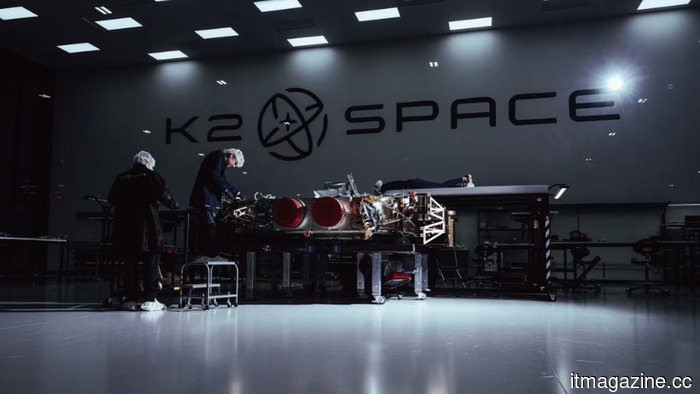 While others are reducing the size of satellites, K2 secured $500 million to develop large satellites and deploy AI in space.
While most satellite startups are focused on developing smaller models, K2 Space is intentionally pursuing a different path by opting for larger designs. The company announced on Thursday that it has secured $500 million in Series D funding, bringing its valuation to $6.8 billion.
While others are reducing the size of satellites, K2 secured $500 million to develop large satellites and deploy AI in space.
While most satellite startups are focused on developing smaller models, K2 Space is intentionally pursuing a different path by opting for larger designs. The company announced on Thursday that it has secured $500 million in Series D funding, bringing its valuation to $6.8 billion.
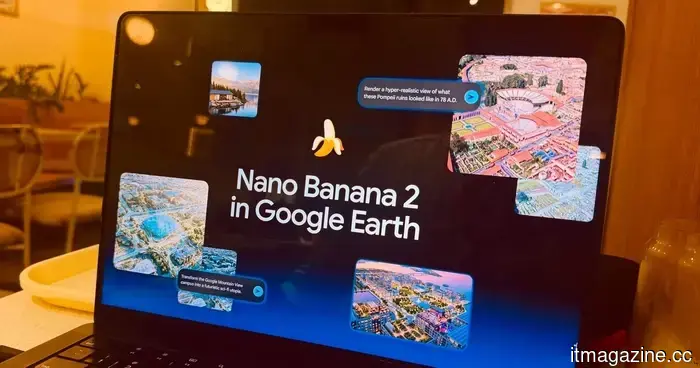 Google Earth's AI misstep endured for just a single day. It was a story marked by perilous naivety.
Google Earth believed that users would accept AI-generated images integrated into a realistic map without issue. However, it quickly turned into a significant and short-lived failure.
Google Earth's AI misstep endured for just a single day. It was a story marked by perilous naivety.
Google Earth believed that users would accept AI-generated images integrated into a realistic map without issue. However, it quickly turned into a significant and short-lived failure.
 The true advantage of AI emerges when entrepreneurs cease to restrict their own potential.
Kirk Drake, the founder of CU 2.0, states that the primary barrier to AI adoption isn't the cost or complexity; rather, it's the assumptions that entrepreneurs hold about the technology. Many organizations already possess the knowledge necessary for AI but have yet to structure it effectively.
The true advantage of AI emerges when entrepreneurs cease to restrict their own potential.
Kirk Drake, the founder of CU 2.0, states that the primary barrier to AI adoption isn't the cost or complexity; rather, it's the assumptions that entrepreneurs hold about the technology. Many organizations already possess the knowledge necessary for AI but have yet to structure it effectively.
Apple might alter its iPhone launch approach, potentially impacting the standard iPhone the most.
Apple's iPhone releases have maintained a consistent pattern for many years. Each September, Apple unveils its latest flagship models, followed by a more budget-friendly "e" version that appears in the spring a few months later. This has been a straightforward formula, but it may not remain unchanged for long...