

The Chrome extension for ChatGPT can now access your tabs, YouTube videos, and selected text.
ChatGPT has significantly improved its ability to comprehend what is displayed on your screen, allowing you to inquire about tabs, highlighted text, and YouTube videos directly.
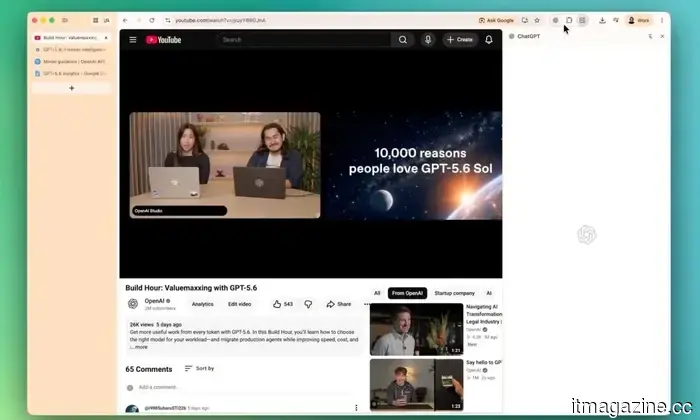
OpenAI has updated its Chrome extension and desktop application, enabling ChatGPT to read your open tabs, respond to highlighted text, and answer questions concerning YouTube videos. This update came shortly after the company decided to discontinue its standalone Atlas browser to concentrate on tools that users already have.
Great news for those overwhelmed by numerous tabs: ChatGPT's web capabilities are enhancing. 🧩 Chrome extension: In Side Chat, you can ask about a YouTube video, mention your open tabs, or highlight text on a page to pose your questions. 💻 Desktop app: Receive URL suggestions as you type and revisit… pic.twitter.com/BIjS94jBQc— ChatGPT (@ChatGPT) July 30, 2026
What’s new in ChatGPT’s Chrome extension?
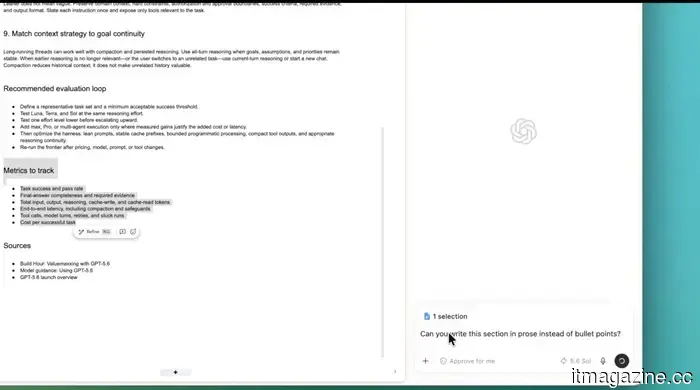
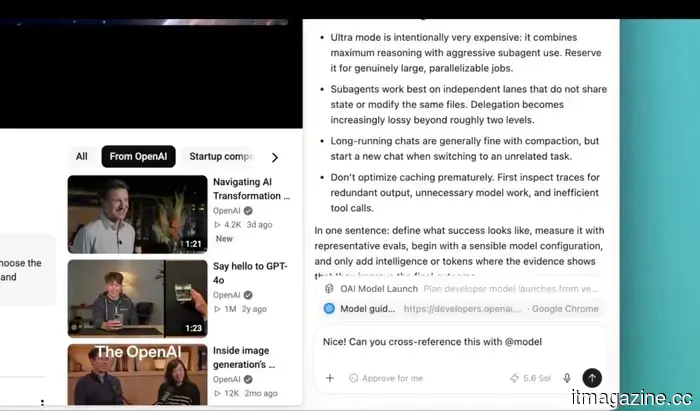
In Side Chat, you can now refer to your open tabs directly, giving ChatGPT context without needing you to explain. You can also highlight text on a page to ask questions about that specific section instead of needing to describe it.
OpenAI
When you inquire about any YouTube video, ChatGPT reads it directly without necessitating a request for a manual summary. A convenient shortcut is also included in your browser; right-click anywhere on a page, select Ask ChatGPT, and the sidebar appears instantly.
OpenAI
What’s new in ChatGPT’s desktop app?
The desktop application now offers URL suggestions as you type and functions similarly to a typical browser address bar. You can also explore your browsing history through Settings, and ChatGPT can search that history whenever you need a page you visited previously.
OpenAI has also introduced several smaller updates in this latest release. A new Activity view in the sidebar shows your recent chats and those needing your attention.
Reviewing code across multiple repositories within a single project has become easier, and generated images now open in an extended viewer where you can leave comments before requesting changes. If you currently use ChatGPT for online research, these updates should enhance your workflow.
Manisha Priyadarshini is a tech and entertainment writer with more than nine years of editorial experience.
Google Earth’s AI misadventure lasted just a day. It was a tale of dangerous ignorance.
Nuclear reactors, tanks, and historical devastation displayed on a lifelike satellite map? That's definitely problematic. Technology giants seem to be out of touch or are perhaps rushing too quickly with AI implementation. Google has already integrated its Gemini AI into every aspect of its software, from Android to commonly used productivity tools like Gmail, which are utilized by hundreds of millions daily. AI is everywhere; not all of it is bad, but in certain instances, it feels somewhat forced.
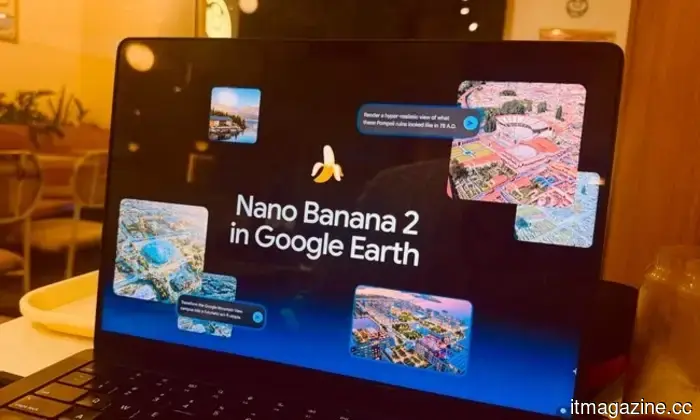
In its latest AI experiment, the company focused on Google Earth. The concept was to allow users to employ its Nano Banana 2 AI image generator to create images that could be placed on the map view. While it sounds intriguing in theory, such as envisioning what the Colosseum would look like in your neighborhood, the practical application is questionable.
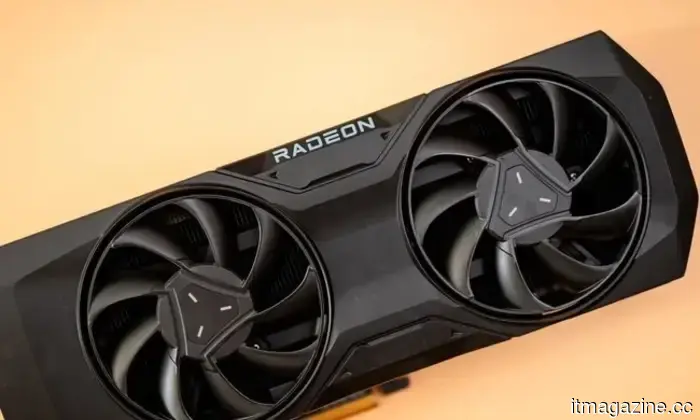
AMD is reportedly preparing to increase GPU prices shortly after Nvidia’s considerable price hike.
AMD has allegedly informed its AIB partners about an upcoming price increase set to take effect in August.
AMD is expected to follow suit and raise the prices of its Radeon GPUs, just days after similar news regarding Nvidia's graphics cards surfaced. According to ChannelGate on Weibo (via VideoCardz), AMD has indicated that the cost of GPU and memory bundles will rise by at least 10% in August.
Is a corresponding price increase on standalone graphics cards possible? I wouldn’t be surprised if that occurs. The situation has become so dire that AMD is considering reintroducing graphics cards with 4GB of onboard memory. The recently launched RX 9050 GPU is priced at $279, notably just $20 less than the RX 9060 XT, which offers double the graphics memory.
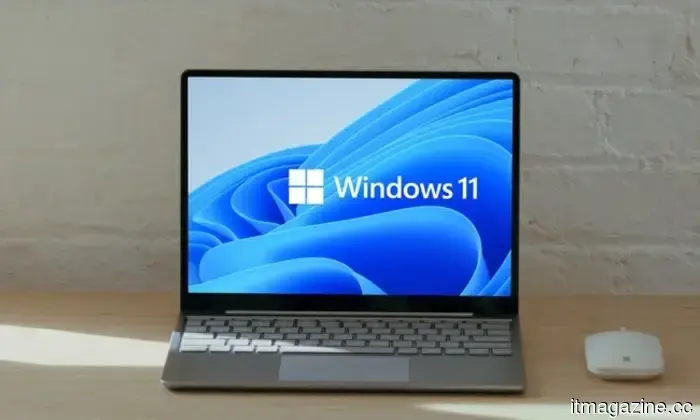
Microsoft is working to ensure Windows functions well with just 8GB of RAM, a move desperately needed.
The hope for a dependable and affordable Windows laptop now relies on Microsoft's next major update.
The year 2026 has represented a critical turning point for Microsoft after years of frustrating users with convoluted processes, unoptimized UI elements, and pervasive bloatware that can significantly slow down any Windows system. Microsoft has embarked on a new phase, addressing numerous minor issues, from enhancing right-click functionality to improving the speed of the Search system.
The next significant goal is enabling Windows 11 to operate efficiently on systems with only 8GB of RAM. This adjustment would ensure that basic entry-level and budget laptops could at least perform essential tasks, even if it means forgoing the on-device AI features. It's important to acknowledge that the increasing focus on AI within Windows 11 can be quite demanding on existing hardware.

Other articles
.jpg) Three underrated TV series on Prime Video to check out this weekend (July 31-August 2).
Searching for something fresh to watch this weekend? These three overlooked treasures on Prime Video offer exceptional writing, authentic performances, and captivating narratives for your viewing pleasure.
Three underrated TV series on Prime Video to check out this weekend (July 31-August 2).
Searching for something fresh to watch this weekend? These three overlooked treasures on Prime Video offer exceptional writing, authentic performances, and captivating narratives for your viewing pleasure.
.jpg) Three overlooked films on HBO Max that you should check out this weekend (July 31-August 2).
From an A24 dark comedy to a Studio Ghibli classic, these three overlooked HBO Max films offer compelling writing and performances that many viewers have missed.
Three overlooked films on HBO Max that you should check out this weekend (July 31-August 2).
From an A24 dark comedy to a Studio Ghibli classic, these three overlooked HBO Max films offer compelling writing and performances that many viewers have missed.
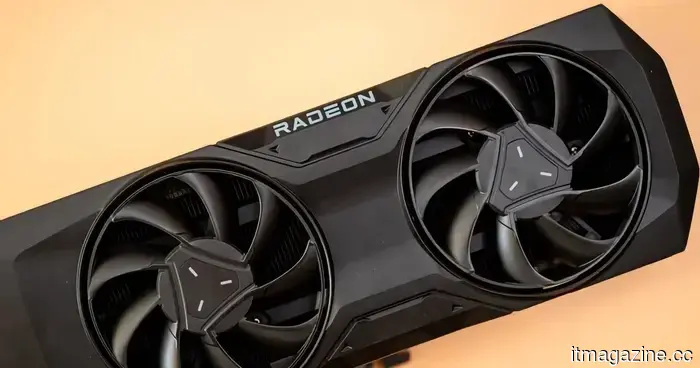 It seems that AMD is preparing to increase GPU prices soon after Nvidia's significant price increase.
AMD has allegedly informed its AIB partners about a planned minimum increase of 10% for GPU and memory bundles later this month, following Nvidia's lead.
It seems that AMD is preparing to increase GPU prices soon after Nvidia's significant price increase.
AMD has allegedly informed its AIB partners about a planned minimum increase of 10% for GPU and memory bundles later this month, following Nvidia's lead.
 AI search is becoming fragmented, outdated, and cluttered with advertisements.
A year ago, AI search was largely represented by a single product known as ChatGPT. However, a recent report indicates that this phase has already come to an end. The 2026 Generative AI Landscape report by Similarweb highlights a market that is both thriving and diversifying simultaneously. Generative AI we
AI search is becoming fragmented, outdated, and cluttered with advertisements.
A year ago, AI search was largely represented by a single product known as ChatGPT. However, a recent report indicates that this phase has already come to an end. The 2026 Generative AI Landscape report by Similarweb highlights a market that is both thriving and diversifying simultaneously. Generative AI we
 Oracle incorporated its cloud competitor's AI into its business applications, resulting in an 8% increase in its stock.
Oracle has integrated its competitor's AI technology into the software that its customers utilize for their businesses, prompting a positive reaction from investors. The company announced on Thursday that it is enhancing its collaboration with Google Cloud to incorporate Gemini into Oracle's enterprise offerings.
Oracle incorporated its cloud competitor's AI into its business applications, resulting in an 8% increase in its stock.
Oracle has integrated its competitor's AI technology into the software that its customers utilize for their businesses, prompting a positive reaction from investors. The company announced on Thursday that it is enhancing its collaboration with Google Cloud to incorporate Gemini into Oracle's enterprise offerings.
 Oracle integrated its competitor's AI into its business applications, leading to an 8% increase in its stock.
Oracle has recently integrated its cloud competitor's AI into the software used by its customers to operate their businesses. This move was well-received by investors. On Thursday, the company announced that it is enhancing its partnership with Google Cloud to incorporate Gemini into Oracle’s enterprise offerings.
Oracle integrated its competitor's AI into its business applications, leading to an 8% increase in its stock.
Oracle has recently integrated its cloud competitor's AI into the software used by its customers to operate their businesses. This move was well-received by investors. On Thursday, the company announced that it is enhancing its partnership with Google Cloud to incorporate Gemini into Oracle’s enterprise offerings.
The Chrome extension for ChatGPT can now access your tabs, YouTube videos, and selected text.
OpenAI has enhanced the ChatGPT Chrome extension and desktop application by introducing tab awareness, support for YouTube, the ability to search through browsing history, and a new Activity view to monitor chats.