
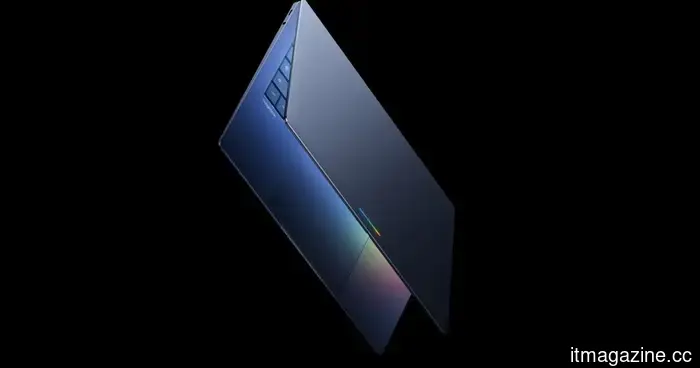
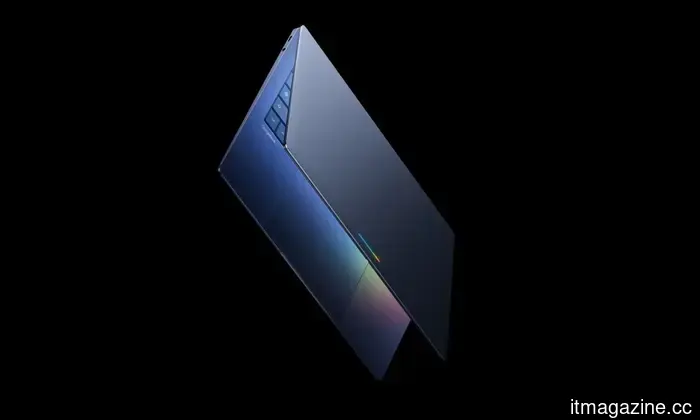
Lenovo's Googlebook series might feature two laptops, a 2-in-1 tablet, and an AI-powered mouse.
Images have surfaced online providing a glimpse of Lenovo’s forthcoming Googlebooks.
Google unveiled Googlebook at I/O in May, but we are still anticipating the actual design of the final hardware. The initial devices are expected to arrive this fall, and new images released by Android Headlines may have given us a sneak peek at Lenovo’s plans.
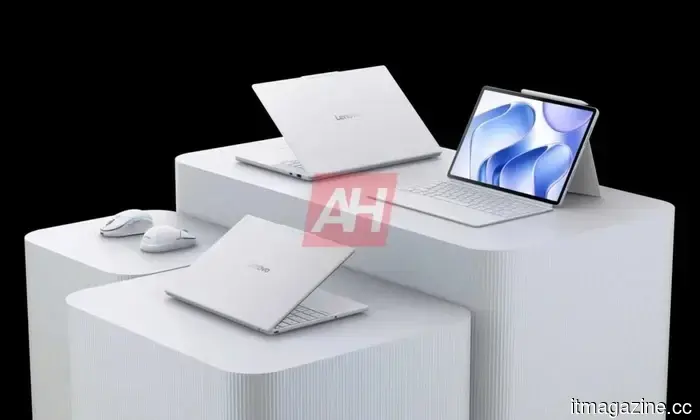
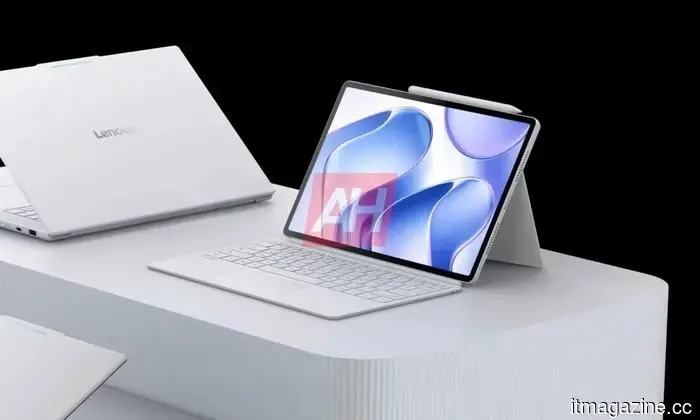
Lenovo seems to be preparing at least three Googlebooks, comprising two conventional laptops and a detachable 2-in-1 tablet. Additionally, there is a new wireless AI mouse that appears to have been tailored specifically for this platform.
Google has already confirmed that Acer, Asus, Dell, HP, and Lenovo are collaborating on Googlebooks. However, Lenovo's introduction of three distinct models could make its initial lineup substantially more ambitious than anticipated.
The tablet is particularly intriguing.
The two laptops seem to come in various sizes, indicating that Lenovo might be targeting different types of users and price ranges. The images do not provide much insight into their specifications, processors, or displays, making it challenging to ascertain how different they will be.
The detachable tablet is the most exciting option. Android Headlines reports that the device features four speakers, Dolby Atmos support, and is stylus-compatible. It may prove to be more appealing than another standard laptop as it embraces Googlebook’s ability to support Android apps and touch input.
Lenovo has also introduced a mouse for Magic Pointer.
This new 59-gram wireless mouse reportedly comes with an RGB strip and a dedicated AI key. Googlebook is centered around Gemini Intelligence, integrating AI directly rather than treating it as a separate application or sidebar. The mouse may connect directly to Magic Pointer, a feature powered by Gemini that can present contextual actions based on what is being pointed to on the screen. Lenovo has not yet clarified the function of the AI key, but it might allow for a faster way to access those suggestions.
I have questions regarding how consistently Googlebook will perform across various chips, screen sizes, and form factors. Google has positioned the platform as premium, and increasing memory costs could push prices even higher. The company has yet to announce a launch date for the first devices, although IFA in September seems like a plausible event for Lenovo to reveal its lineup.
---
AMD appears to be preparing to increase GPU prices shortly after Nvidia’s significant price hike.
AMD has reportedly informed AIB partners about an upcoming price increase that will take effect in August.
AMD is the next manufacturer poised to raise the prices of its Radeon GPUs, just days after news broke of a similar increase for Nvidia graphics cards. According to ChannelGate on Weibo (via VideoCardz), AMD has notified its board partners that the cost of GPU and memory combinations will rise by at least 10% in August.
Will a similar price hike occur for standalone graphics cards? I wouldn’t be surprised if that happens. The situation is so dire that AMD is looking to reintroduce graphics cards with 4GB of onboard memory. AMD has just launched the RX 9050 GPU, priced at $279, which is notably just $20 less than the RX 9060 XT that offers double the graphics memory.
---
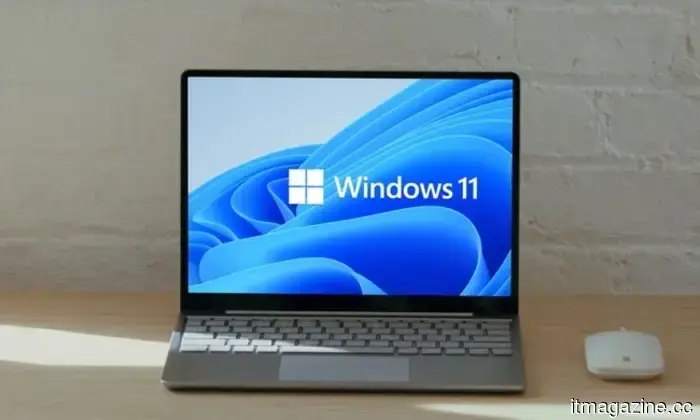
Microsoft is set to optimize Windows to function efficiently with only 8GB of RAM. This is a much-needed advancement.
The future of reliable and affordable Windows laptops hinges on an upcoming critical update from Microsoft.
The year 2026 represents a significant shift for Microsoft after years of frustrating users with numerous confusing procedures, unoptimized UI elements, and excessive bloatware that can slow down any Windows system. The company has finally entered a new phase, addressing various minor issues such as right-click behavior and speeding up the Search function.
The next major milestone involves making Windows 11 operate smoothly on PCs with just 8GB of RAM. This directly entails that entry-level and budget laptops will at least meet basic requirements, even if it means forgoing some on-device AI features. The increasingly AI-focused approach to computing on a Windows 11 device has proven to be somewhat burdensome on the available hardware.
---
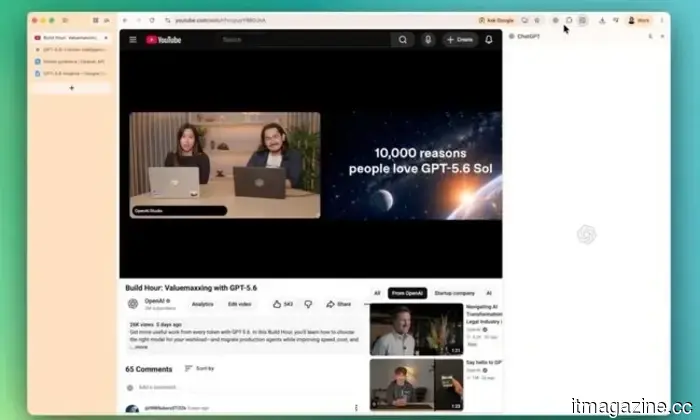
ChatGPT’s Chrome extension now offers the capability to read your tabs, YouTube videos, and highlighted text.
ChatGPT has significantly improved its ability to comprehend what is on your screen. OpenAI has released updates to its Chrome extension and desktop application, enabling ChatGPT to read your open tabs, respond to highlighted text, and answer questions about YouTube videos. This update comes shortly after OpenAI decided to discontinue its standalone Atlas browser to concentrate on tools already in use by many users.



Other articles
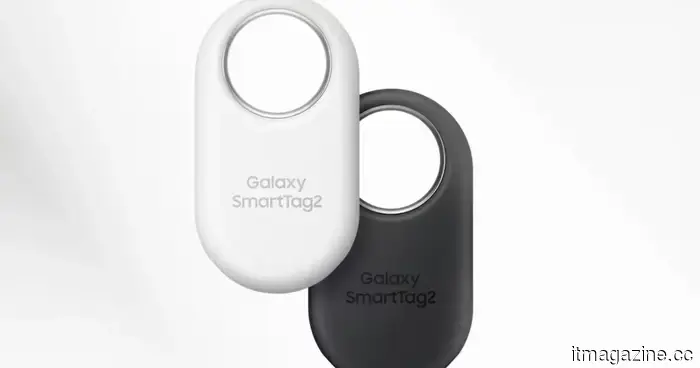 Samsung's upcoming tracker might have a more appealing design but could be more challenging to attach.
The Galaxy SmartTag 3 from Samsung might feature a new squircle shape and a central button, but the removal of the built-in attachment loop from the SmartTag 2 may necessitate an additional accessory.
Samsung's upcoming tracker might have a more appealing design but could be more challenging to attach.
The Galaxy SmartTag 3 from Samsung might feature a new squircle shape and a central button, but the removal of the built-in attachment loop from the SmartTag 2 may necessitate an additional accessory.
 A detector for smart glasses is currently one of the highest-grossing apps on Apple’s App Store.
A $2.99 application designed to detect nearby smart glasses has risen to become one of the top paid downloads on the App Store, driven by increasing concerns over privacy related to cameras.
A detector for smart glasses is currently one of the highest-grossing apps on Apple’s App Store.
A $2.99 application designed to detect nearby smart glasses has risen to become one of the top paid downloads on the App Store, driven by increasing concerns over privacy related to cameras.
 A smart glasses detection app has risen to be one of the highest-grossing applications on Apple’s App Store.
A $2.99 application that detects nearby smart glasses has emerged as one of the leading paid downloads in the App Store, driven by increasing concerns about privacy regarding cameras.
A smart glasses detection app has risen to be one of the highest-grossing applications on Apple’s App Store.
A $2.99 application that detects nearby smart glasses has emerged as one of the leading paid downloads in the App Store, driven by increasing concerns about privacy regarding cameras.
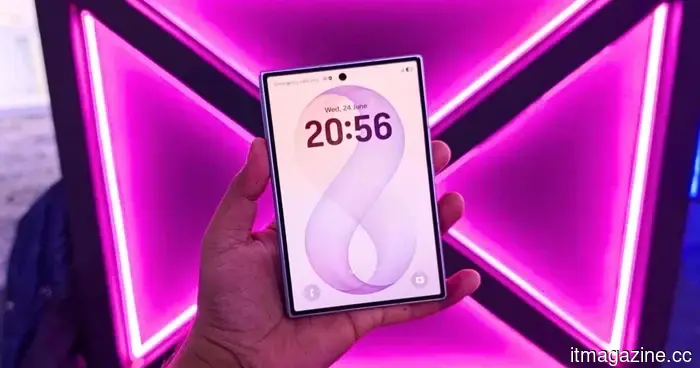 Galaxy Z Fold 8: All the details we have
The Galaxy Z Fold8 has moved past speculation. Samsung has verified the specifications, pricing, and launch date, and the overall design meets expectations.
Galaxy Z Fold 8: All the details we have
The Galaxy Z Fold8 has moved past speculation. Samsung has verified the specifications, pricing, and launch date, and the overall design meets expectations.
Lenovo's Googlebook series might feature two laptops, a 2-in-1 tablet, and an AI-powered mouse.
Recent images indicate that Lenovo may introduce at least three Googlebook devices, which feature a 2-in-1 tablet designed to enhance the use of Android applications and touch functionalities.