

A detector for smart glasses is currently one of the highest-grossing apps on Apple’s App Store.
Digital Trends may receive a commission when you make purchases through links on our site. Why can you trust us?
Smart glasses have become so concerning that people are purchasing proximity alerts.
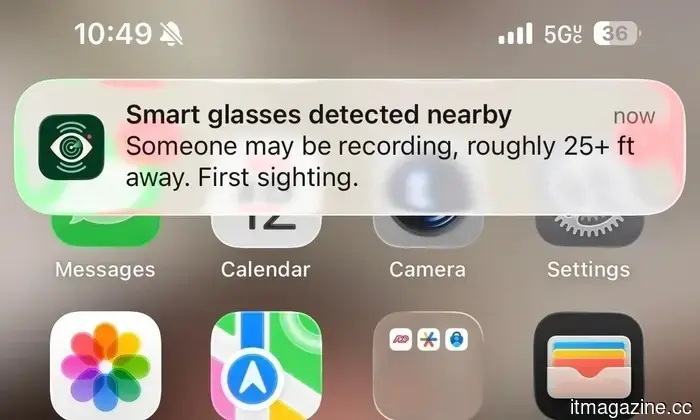
An iPhone app, called AntiZuck Smart Glasses Scanner, designed to notify users of nearby smart glasses, has reached No. 3 on the US paid App Store chart. Its name clearly indicates the developer's stance on Meta’s camera-equipped glasses.
The app costs $2.99 and detects Bluetooth signals from smart glasses. It can identify Meta Ray-Bans, Snap Spectacles, Amazon Echo Frames, and RayNeo glasses, issuing alerts when it detects one is nearby.
This surge in popularity coincides with increasing unease about being filmed in public, especially among younger individuals who are accustomed to the potential for awkward moments to be shared online quickly.
How does the smart glasses scanner function?
AntiZuck displays detected devices on a radar-like interface, providing a rough proximity estimate and a confidence level. It can remember repeated encounters, send local notifications, and allow users to mark known devices so they stop triggering alerts.
Unfortunately, the app cannot determine if someone is actively recording or taking pictures. It simply detects Bluetooth signals emitted by compatible hardware, which typically occur when devices are powered on, paired, or when a charging case is opened.
Other Meta devices, such as Quest headsets, could also activate a detection. Smart glasses may vanish from the scanner once they stop transmitting signals via Bluetooth, meaning an alert does not guarantee that someone nearby is secretly filming.
Concerns over camera presence are already altering behaviors
A recent BBC report noted that some young adults are becoming more cautious about cameras during nights out. Students mentioned they are vigilant for individuals holding phones and club promoters capturing content. Smart glasses complicate matters, as they can easily be mistaken for regular eyewear, making it difficult for someone to realize they are being filmed.
The unease isn't confined to clubs or parties. A YouGov survey revealed that 54% of Americans deem filming and sharing content of strangers in public without consent as typically or always unacceptable. Research indicates that people tend to alter their actions when they know they are being observed. This could explain why individuals are willing to invest in AntiZuck, as even the thought of a concealed camera nearby can inhibit relaxation in public settings.
I have around four years of experience, mainly focusing on gaming, PC hardware, and smartphones. In my leisure time, I enjoy…
Google’s highly anticipated AirTag competitor has reportedly surfaced ahead of its launch under a familiar name.
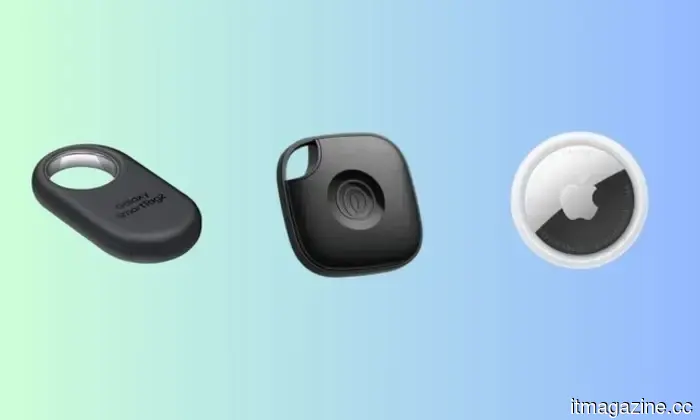
Over the past few years, Google has been enhancing Android's Find Hub network to simplify tracking lost devices and accessories. However, one glaring absence remains: a first-party tracker. This might finally change. According to a report from 9to5Google, the long-speculated Pixel Tag has made its appearance. The accessory has shown up in various online listings, and the report has also provided an initial leaked image, giving an early glimpse of Google’s response to Apple's AirTag and Samsung's Galaxy SmartTag.
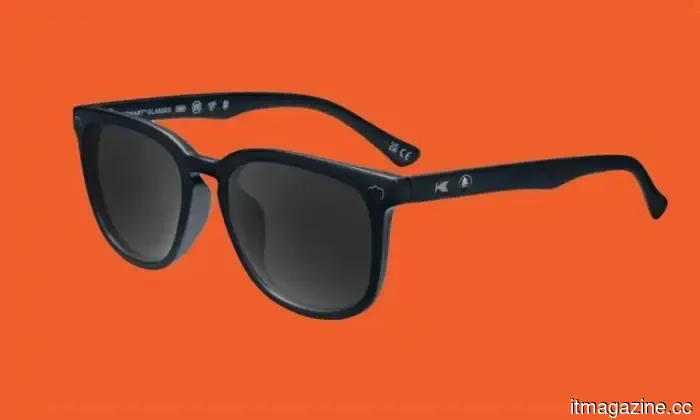
DuckDuckGo's new smart glasses come devoid of AI and provide complete shade.
These glasses possess no camera, no microphone, and no AI—just ordinary glasses that shield your eyes from sunlight as sunglasses have traditionally done.
Smart glasses have gradually transformed into small surveillance cameras that people willingly wear. With new models emerging frequently, they promise to record video, eavesdrop on conversations, and transmit data to an AI model in the cloud. This situation has escalated to the point where they are now referred to as “pervert glasses.”
These glasses not only pose privacy issues for individuals being recorded but also for the users themselves. A recent investigation by the Swedish newspaper Svenska Dagbladet revealed that Meta Ray-Ban glasses were uploading sensitive private recordings to train its AI.
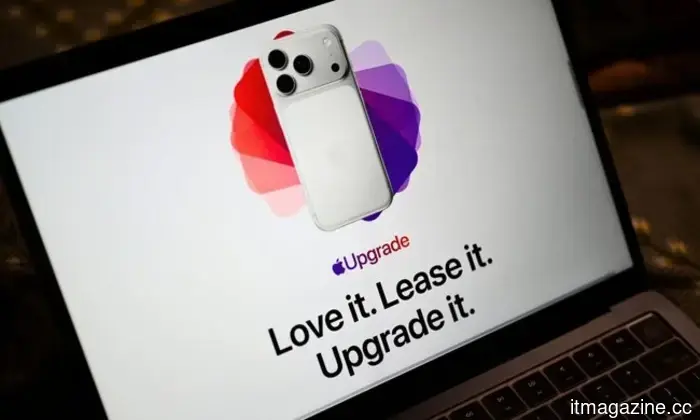
Apple’s new Upgrade plan won’t impose penalties for missed payments through restrictions, but three failures could terminate your lease.
Restricted Mode continues to exist in the iOS 27 beta, but Apple has stated it will not be utilized for defaults in Upgrade payments.
Apple recently introduced its new Apple Upgrade leasing plan, allowing customers to make monthly payments for an iPhone, iPad, Mac, or Apple Watch through Klarna. This program succeeds the long-standing iPhone Upgrade Program and extends the option beyond just phones for the first time.
However, code identified by 9to5Mac in the iOS 27 beta raised concerns regarding the consequences of falling behind on payments. The new App Managed Features system appeared to be capable of verifying a customer's payment status and placing a financed device into Restricted Mode.


Other articles
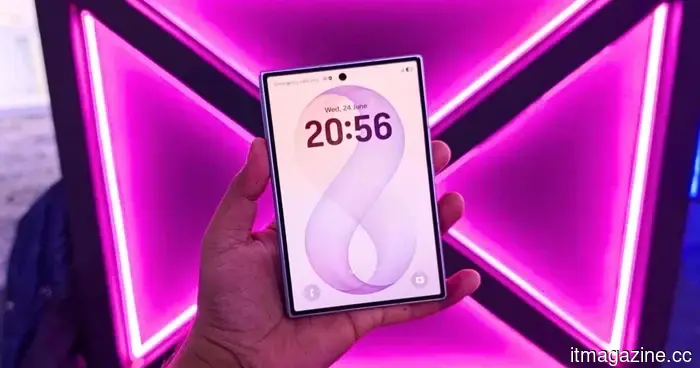 Galaxy Z Fold 8: All the details we have
The Galaxy Z Fold8 has moved past speculation. Samsung has verified the specifications, pricing, and launch date, and the overall design meets expectations.
Galaxy Z Fold 8: All the details we have
The Galaxy Z Fold8 has moved past speculation. Samsung has verified the specifications, pricing, and launch date, and the overall design meets expectations.
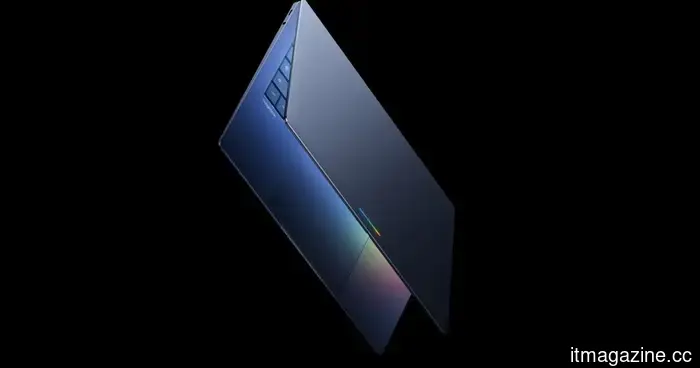 Lenovo's Googlebook series might feature two laptops, a 2-in-1 tablet, and an AI-powered mouse.
Recent images indicate that Lenovo may introduce at least three Googlebook devices, which feature a 2-in-1 tablet designed to enhance the use of Android applications and touch functionalities.
Lenovo's Googlebook series might feature two laptops, a 2-in-1 tablet, and an AI-powered mouse.
Recent images indicate that Lenovo may introduce at least three Googlebook devices, which feature a 2-in-1 tablet designed to enhance the use of Android applications and touch functionalities.
 A smart glasses detection app has risen to be one of the highest-grossing applications on Apple’s App Store.
A $2.99 application that detects nearby smart glasses has emerged as one of the leading paid downloads in the App Store, driven by increasing concerns about privacy regarding cameras.
A smart glasses detection app has risen to be one of the highest-grossing applications on Apple’s App Store.
A $2.99 application that detects nearby smart glasses has emerged as one of the leading paid downloads in the App Store, driven by increasing concerns about privacy regarding cameras.
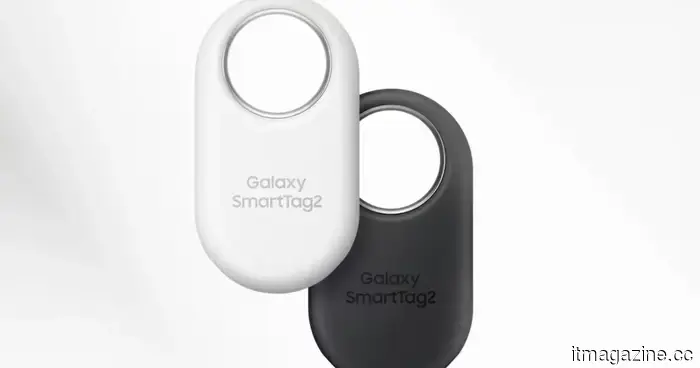 Samsung's upcoming tracker might have a more appealing design but could be more challenging to attach.
The Galaxy SmartTag 3 from Samsung might feature a new squircle shape and a central button, but the removal of the built-in attachment loop from the SmartTag 2 may necessitate an additional accessory.
Samsung's upcoming tracker might have a more appealing design but could be more challenging to attach.
The Galaxy SmartTag 3 from Samsung might feature a new squircle shape and a central button, but the removal of the built-in attachment loop from the SmartTag 2 may necessitate an additional accessory.
A detector for smart glasses is currently one of the highest-grossing apps on Apple’s App Store.
A $2.99 application designed to detect nearby smart glasses has risen to become one of the top paid downloads on the App Store, driven by increasing concerns over privacy related to cameras.