
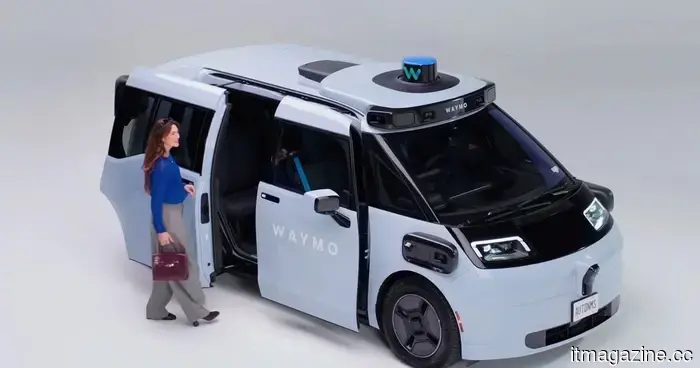
Waymo aims to make your upcoming robotaxi experience resemble your living room rather than a traditional taxi.
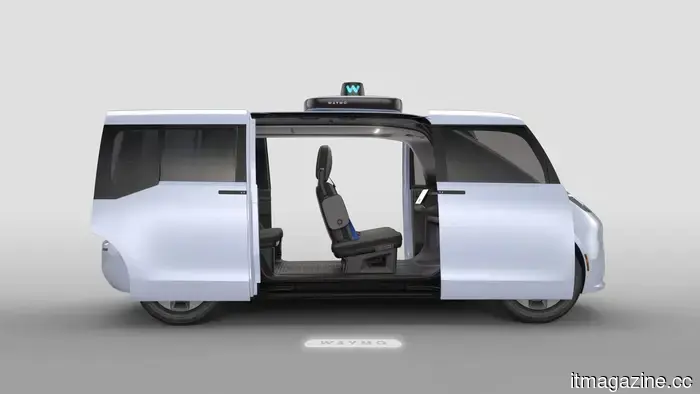
Waymo is implementing one of its most significant upgrades for passengers, introducing Google’s Gemini AI assistant into its robotaxis, along with an updated in-car interface that transforms how riders engage with autonomous vehicles. These advancements will first appear in the Ojai, Waymo’s specially designed robotaxi, as the company looks to broaden its access to more riders. Rather than altering how the vehicle operates, this update enhances what passengers can do once they're aboard, indicating that the upcoming phase of the robotaxi competition may center on user experience instead of just autonomy.
For years, companies in the autonomous vehicle sector have vied for superiority in areas such as sensors, safety records, and driverless capabilities. Waymo now seems sufficiently confident in these aspects to refocus on the cabin experience, viewing the journey as a product rather than merely a transit from one point to another.
Gemini will act as your in-car travel assistant
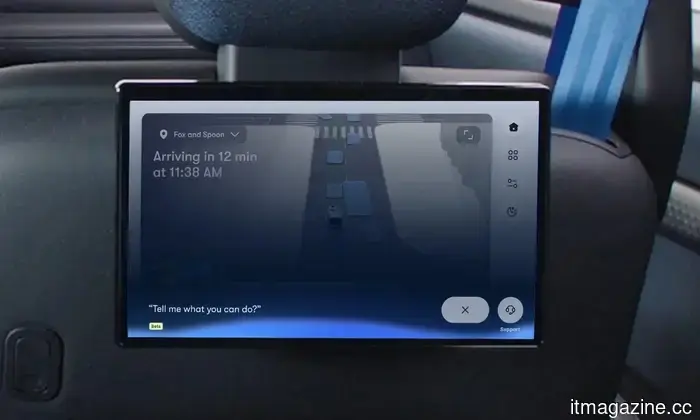
The standout feature is Gemini in Waymo, a conversational AI assistant that riders can activate by clicking on a dedicated Gemini icon on the screen. Rather than serving as another driving mechanism, Gemini functions as a voice-activated companion that can modify cabin settings, respond to inquiries about nearby attractions, suggest places to explore, or provide travel-related information.
Passengers can request Gemini to adjust the cabin temperature, locate a nearby coffee shop, or share the history of a landmark during the ride. The experience is facilitated by Gemini Live, enabling natural conversations without needing set voice commands. Importantly, Waymo emphasizes that Gemini operates entirely separately from the Waymo Driver. While passengers can ask it to request a stop, it does not have the ability to steer, navigate, or access the vehicle’s real-time driving information. The assistant is also inactive until a passenger actively engages it and it launches in beta with built-in privacy features.
This feature may not be entirely unexpected; mentions of a Gemini integration were noted in app analyses last year, but this is the first official introduction within Waymo’s commercial robotaxi service.
The next robotaxi competition is taking place in the cabin
Waymo has integrated Gemini with its first significant update to the rider interface in several years. The new Ojai experience features what the company describes as a “lean-back” cabin, which includes dynamic trip information, streamlined media controls, and an adaptable three-screen setup that changes based on passengers' seating arrangements. For instance, a lone passenger in the rear seat receives complete ride controls, while the rest of the displays automatically shift to show simplified trip details or ambient media. A newly introduced Calm Mode minimizes distractions by dimming the interface to display only essential journey information.
The timing is significant. Waymo already manages one of the world’s largest commercial robotaxi fleets, offering around 500,000 paid rides weekly across more than 11 cities. As autonomous driving technology matures, merely expanding coverage may not suffice as a competitive edge. The quality of the passenger experience is becoming increasingly crucial.
This transition also presents a striking contrast with Tesla. While Tesla remains focused on scaling its Robotaxi initiatives, Waymo is already investing in enhancing the time riders have while the vehicle drives itself. The company’s latest update suggests that the future of autonomous mobility will be shaped not just by who produces the safest driverless car, but by who creates the most enjoyable environment during the journey.
Other articles
 I doubted that the budget Alienware 15 would perform well. I was mistaken.
The Dell Alienware 15 (2026) impressed us with its high-quality design, strong initial impact, and competitive pricing. Here’s our firsthand experience.
I doubted that the budget Alienware 15 would perform well. I was mistaken.
The Dell Alienware 15 (2026) impressed us with its high-quality design, strong initial impact, and competitive pricing. Here’s our firsthand experience.
 I didn't believe that the budget Alienware 15 would be effective. I was mistaken.
The Dell Alienware 15 (2026) impressed us with its high-end design, strong initial impact, and reasonable pricing. Here’s our hands-on review.
I didn't believe that the budget Alienware 15 would be effective. I was mistaken.
The Dell Alienware 15 (2026) impressed us with its high-end design, strong initial impact, and reasonable pricing. Here’s our hands-on review.
 The live-shopping platform Whatnot is in discussions to almost double its valuation to $20 billion.
Whatnot, the livestream-shopping platform, is negotiating to raise capital at a valuation of approximately $20 billion, an increase from $11.5 billion in late 2024, as live commerce expands in the West.
The live-shopping platform Whatnot is in discussions to almost double its valuation to $20 billion.
Whatnot, the livestream-shopping platform, is negotiating to raise capital at a valuation of approximately $20 billion, an increase from $11.5 billion in late 2024, as live commerce expands in the West.
 The live-shopping app Whatnot is in negotiations to increase its valuation to almost $20 billion.
Whatnot, the livestream-shopping platform, is in negotiations to secure funding at a valuation of approximately $20 billion, an increase from $11.5 billion in late 2024, as live commerce expands in the West.
The live-shopping app Whatnot is in negotiations to increase its valuation to almost $20 billion.
Whatnot, the livestream-shopping platform, is in negotiations to secure funding at a valuation of approximately $20 billion, an increase from $11.5 billion in late 2024, as live commerce expands in the West.
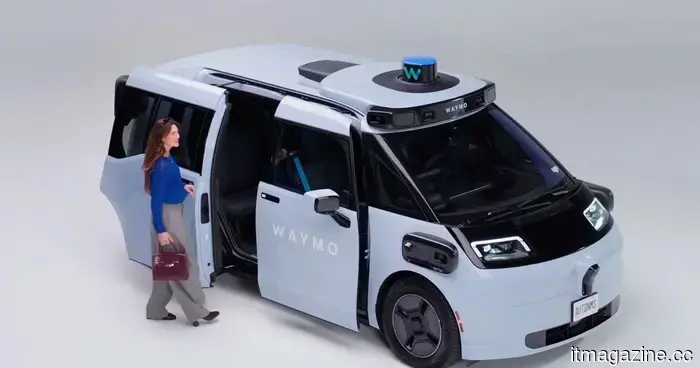 Waymo aims to make your next robotaxi experience feel more like being in your living room than just a typical taxi ride.
Waymo has introduced its Ojai in-car experience, incorporating Google Gemini, adaptive multi-screen controls, and a revamped interface to enhance the personalization of future robotaxi rides.
The autonomous AI agent named Dave from G2A.COM has assisted sellers in resolving 14,400 support tickets over the course of 63 days.
G2A.COM has introduced Dave, an AI-powered autonomous support agent that successfully addressed 54% of seller issues and reduced ticket volume by 30% during a 63-day trial conducted in 180 countries. The system links to transaction data to prevent inaccuracies.
Waymo aims to make your next robotaxi experience feel more like being in your living room than just a typical taxi ride.
Waymo has introduced its Ojai in-car experience, incorporating Google Gemini, adaptive multi-screen controls, and a revamped interface to enhance the personalization of future robotaxi rides.
The autonomous AI agent named Dave from G2A.COM has assisted sellers in resolving 14,400 support tickets over the course of 63 days.
G2A.COM has introduced Dave, an AI-powered autonomous support agent that successfully addressed 54% of seller issues and reduced ticket volume by 30% during a 63-day trial conducted in 180 countries. The system links to transaction data to prevent inaccuracies.
Waymo aims to make your upcoming robotaxi experience resemble your living room rather than a traditional taxi.
Waymo has introduced its Ojai in-car experience, incorporating Google Gemini, adaptive multi-screen controls, and a revamped interface to enhance the personalization of future robotaxi rides.