

Apple’s smart glasses are delayed as the company aims to avoid causing a privacy controversy.
Digital Trends may receive a commission if you make a purchase through the links on our site. Why trust us?
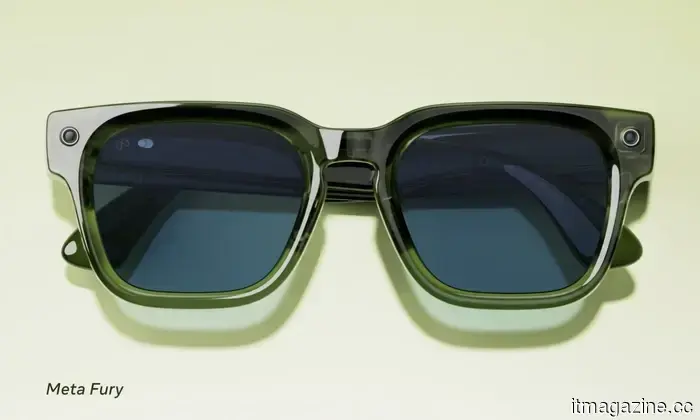
Apple is taking additional time to ensure that its smart glasses avoid inheriting Meta's unsettling reputation.
According to Bloomberg, Apple could present its first smart glasses at WWDC in June 2027, with a consumer launch anticipated later that year. The device, known internally as N50, was initially set for a late 2026 announcement and an early 2027 release.
The delay reportedly arises from Apple's engineering and marketing teams taking more time to refine the product and address privacy concerns related to having cameras on a person's face. Privacy is said to be the primary focus for the teams developing these glasses.
Apple has a clear example of the privacy issues to avoid
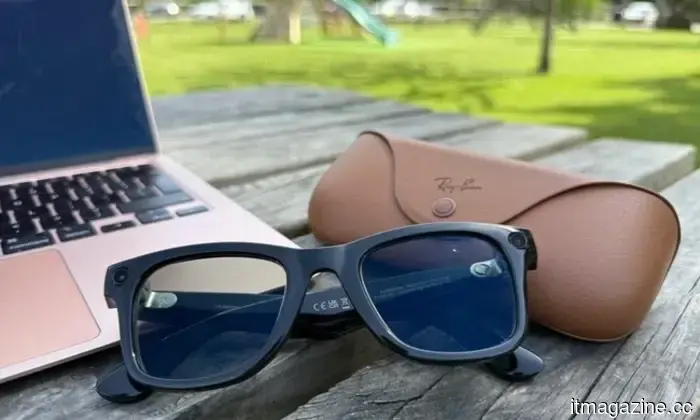
Apple doesn't need to speculate about the privacy challenges. Meta’s glasses have already highlighted these issues. As previously reported, an underground market has emerged for services and accessories aimed at covering or disabling the recording indicator on Ray-Ban Meta glasses. In response, Meta announced that the camera would cease to function if the light was altered.
Instagram has also begun removing accounts that used the glasses to film and harass individuals. Two pickup-artist accounts with over a million followers each were recently taken down, though deleting footage after it has been shared offers little relief to those unaware they were being recorded.
Apple has long positioned privacy as a core value of its brand. Thus, it’s understandable that the company is exercising caution before entering the smart glasses market.
Apple has contemplated limiting camera usage
Apple has reportedly considered versions of the glasses without cameras, as well as a model where cameras can analyze surroundings without the ability to record images or video. This approach could still enable features like object recognition, navigation, Siri functionality, calls, and music playback.
The company is also expected to prioritize on-device processing, avoid facial recognition, keep recordings out of AI training, and implement a more visible light around the camera. Eliminating video capture would reduce controversy around the glasses but could also make them less appealing. Apple now faces the challenge of retaining this feature without adopting Meta's negative reputation.
I have about four years of experience, primarily focusing on gaming, PC hardware, and smartphones. In my spare time, I enjoy…
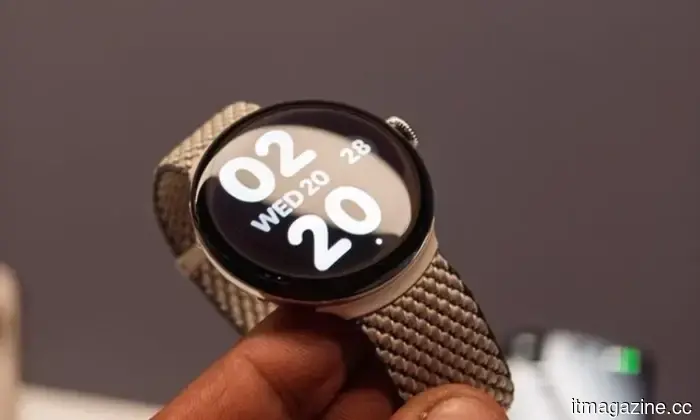
Google may soon allow you to unlock your Pixel Watch with your phone
A developing feature could reverse the current Watch Unlock setting, enabling an authenticated phone to automatically unlock the watch.
If you’ve set a PIN on your Pixel Watch, you’re familiar with the prompt that appears when you put it back on your wrist. While it’s a good security feature, entering a PIN on a small screen numerous times daily can become tiresome. A recent report suggests that Google may be working on a method to allow you to bypass this step.
Reverse Watch Unlock
A new iPhone app can detect Meta smart glasses nearby
Your iPhone can now monitor the glasses that are watching you.
Earlier this year, Android users received an interesting privacy tool that alerts them when smart glasses are in the vicinity. Five months later, iPhone users have received a similar feature, and the name of the app expresses its feelings about Meta quite clearly.
AntiZuck is a $2.99 iPhone app that scans for Bluetooth signals linked to smart glasses and notifies users when it detects one nearby. It supports devices such as Meta Ray-Bans, Snap Spectacles, Amazon Echo Frames, and RayNeo glasses, with plans for adding more hardware.
Apple’s smartwatches are expected to keep the same design for at least another year or two
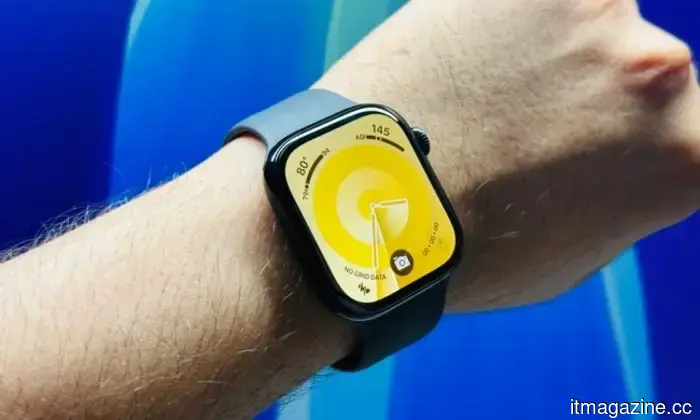
Reports indicate that Apple’s Series 12 and Ultra 4 will not receive a redesign this year, relying instead on chip upgrades and health tracking enhancements to define the new generation.
For the past few years, every Apple Watch model has looked the same as its predecessor. The Apple Watch Series 11 maintained the dimensions and appearance of Watch 10, which mirrored Watch 9. It seems this trend may continue into 2026 as well.
So what exactly is changing this year?



Other articles
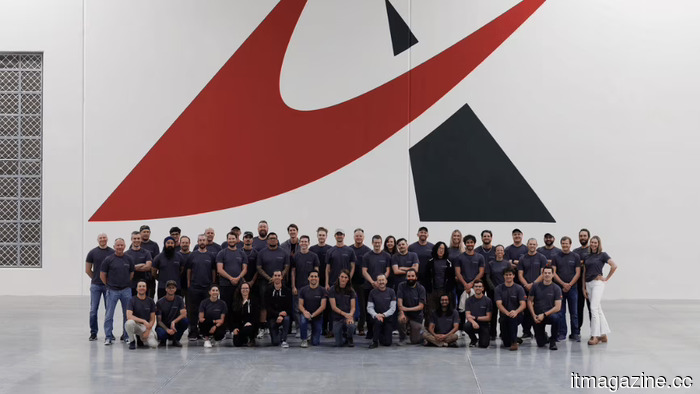 Antares secures $470 million for military nuclear microreactors.
Antares has secured $470 million to install 1MW reactors at US military bases by 2028, as mandated by an executive order. Currently, there are no microreactors operating in the US.
Antares secures $470 million for military nuclear microreactors.
Antares has secured $470 million to install 1MW reactors at US military bases by 2028, as mandated by an executive order. Currently, there are no microreactors operating in the US.
 OpenAI is creating 250 jobs in Dublin as Ireland experiences a decline in tech positions due to AI shifts elsewhere.
OpenAI plans to lease 88,000 square feet at Dublin's Tropical Fruit Warehouse and will create 250 new jobs. Meanwhile, Meta and TikTok have recently reduced their workforce in Ireland. Anthropic is also growing its presence in the area.
OpenAI is creating 250 jobs in Dublin as Ireland experiences a decline in tech positions due to AI shifts elsewhere.
OpenAI plans to lease 88,000 square feet at Dublin's Tropical Fruit Warehouse and will create 250 new jobs. Meanwhile, Meta and TikTok have recently reduced their workforce in Ireland. Anthropic is also growing its presence in the area.
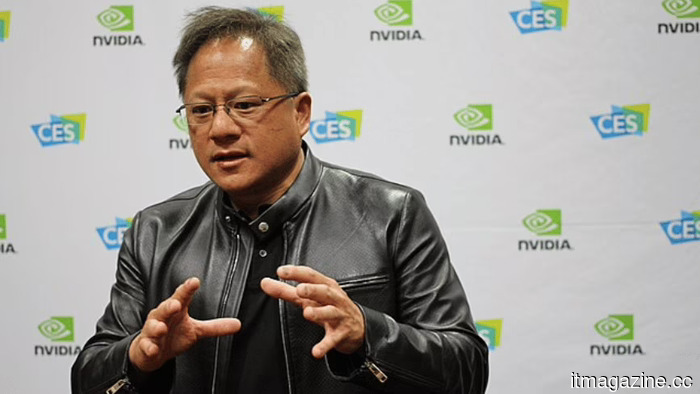 Nvidia establishes an open AI security alliance, excluding OpenAI.
The Open Secure AI Alliance consists of 37 members, none of which are from China. However, the breach at Hugging Face was linked to an open model developed in China.
Nvidia establishes an open AI security alliance, excluding OpenAI.
The Open Secure AI Alliance consists of 37 members, none of which are from China. However, the breach at Hugging Face was linked to an open model developed in China.
 Discord and Meta are being sued as product entities rather than as publishers.
A Jane Doe lawsuit claims a design flaw, rather than issues of publication, to circumvent Section 230. It asserts that Discord neglected to implement age verification measures to enable seamless onboarding.
Discord and Meta are being sued as product entities rather than as publishers.
A Jane Doe lawsuit claims a design flaw, rather than issues of publication, to circumvent Section 230. It asserts that Discord neglected to implement age verification measures to enable seamless onboarding.
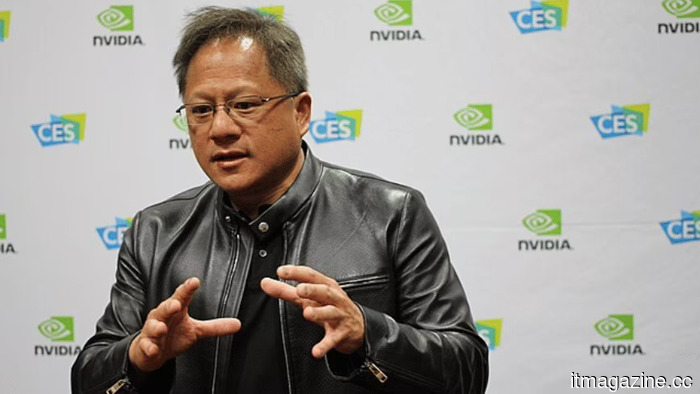 Nvidia announces the formation of an open AI security alliance, excluding OpenAI.
The Open Secure AI Alliance consists of 37 members, none of which are from China, despite the fact that the Hugging Face breach involved an open model developed in China.
Nvidia announces the formation of an open AI security alliance, excluding OpenAI.
The Open Secure AI Alliance consists of 37 members, none of which are from China, despite the fact that the Hugging Face breach involved an open model developed in China.
 Cisco discovered that no AI model is completely immune to bioweapon inquiries, with attack success rates reaching 88%.
Researchers from Cisco managed to circumvent AI safety filters on prominent chatbots within five exchanges to obtain information about biological weapons. None of the models exhibited complete resistance. The CDC was also restricted.
Cisco discovered that no AI model is completely immune to bioweapon inquiries, with attack success rates reaching 88%.
Researchers from Cisco managed to circumvent AI safety filters on prominent chatbots within five exchanges to obtain information about biological weapons. None of the models exhibited complete resistance. The CDC was also restricted.
Apple’s smart glasses are delayed as the company aims to avoid causing a privacy controversy.
Apple's smart glasses might not be available to consumers until late 2027, as the company is addressing the challenge of incorporating cameras without infringing on privacy.