
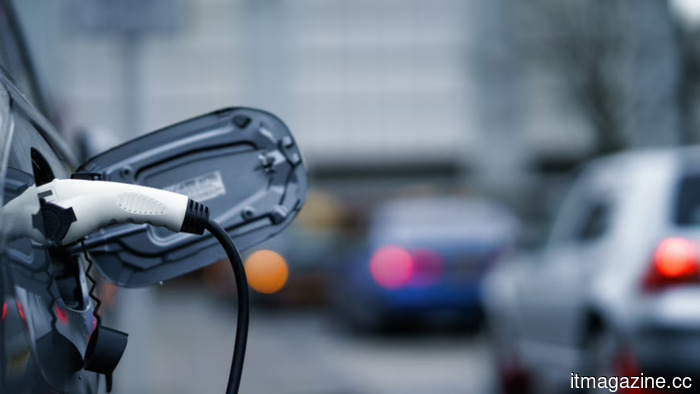
Recent data indicates that electric vehicle batteries are enduring for significantly longer than consumers might believe, but sales in the US continue to decline.
TL;DR: Modern electric vehicles (EVs) maintain 95 percent of their range after five years, yet US sales dropped by 28 percent in June due to lagging policy and perception relative to the technology. According to a new analysis by Recurrent, EVs hold an average of 97 percent of their original range after three years and 95 percent after five years. For instance, a 2026 model with a range of 325 miles would still offer roughly 309 miles after five years of use. Additionally, a separate Recurrent study indicated that the battery replacement rate for 2022 and newer EVs is only three out of every thousand vehicles.
Research by Geotab, based on more than 22,700 vehicles, found a similar conclusion, with an average annual degradation rate of slightly over two percent. Viet Nguyen-Tien, an EV researcher at the London School of Economics, explained to The Wall Street Journal that advancements in battery chemistry, thermal regulation, and battery management have led to lasting improvements in battery durability compared to early models like the Nissan Leaf, notorious for quick degradation after its 2010 debut. In a 2026 AAA survey, 56 percent of those unlikely to purchase an EV cited the high costs of battery repair or replacement as their main concern.
Although the data indicates that these concerns are increasingly unfounded, they have not resulted in increased sales. Cox Automotive estimates that roughly 75,000 new EVs were purchased by Americans in June, a decline of nearly 28 percent compared to the previous year, resulting in EVs representing just over five percent of total new-vehicle sales for the month. A Deloitte survey earlier this year found that only seven percent of Americans intend to buy an electric vehicle next. However, used EV sales increased by over 20 percent in June year-over-year, according to Cox Automotive.
The sales decline largely stems from policy changes. The Trump administration allowed the $7,500 federal EV tax credit to lapse last September and relaxed emissions regulations, which Ford CEO Jim Farley warned could halve EV demand. Several automakers have since halted or canceled EV models in the US market, and while Edmunds reported a slight uptick in consumer interest earlier this year due to rising gas prices, it wasn’t sufficient to reverse the overall trend.
The disconnect between technological capabilities and consumer perceptions now stands as the main barrier for the American EV market. The batteries perform well, replacement rates are low, and the used market is expanding, yet new sales are declining because federal policy has eliminated price incentives that made EVs competitive with combustion vehicles. Without policy changes, the industry is left promoting a product that has resolved its major technical issues to a market that either remains unaware or lacks the financial incentive to care.
Published July 25, 2026 - 3:28 pm UTC
Other articles
 DeepSeek halts its fundraising efforts following the viral spread of leaked comments from the founder.
DeepSeek halted its second funding round following viral posts that showed founder Liang Wenfeng talking about the dependence on Nvidia chips and the gap in AI development in China.
DeepSeek halts its fundraising efforts following the viral spread of leaked comments from the founder.
DeepSeek halted its second funding round following viral posts that showed founder Liang Wenfeng talking about the dependence on Nvidia chips and the gap in AI development in China.
 From my first year to graduation, these are the three backpacks I would rely on for carrying a laptop.
Returning to school but your backpack is worn out? Choose one of these three options and you won’t need to buy another until you graduate.
From my first year to graduation, these are the three backpacks I would rely on for carrying a laptop.
Returning to school but your backpack is worn out? Choose one of these three options and you won’t need to buy another until you graduate.
 5 mid-range smartphones I suggest you invest your Back-to-School budget in.
Looking for a new phone before the school year begins? Here are five mid-range options that offer a premium experience without the premium cost.
5 mid-range smartphones I suggest you invest your Back-to-School budget in.
Looking for a new phone before the school year begins? Here are five mid-range options that offer a premium experience without the premium cost.
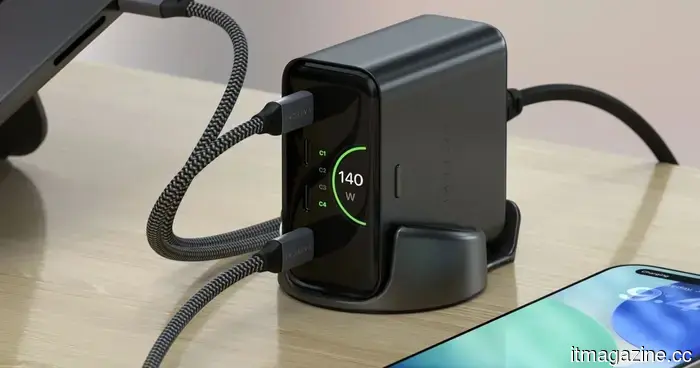 Quit arguing with your roommate over outlets and grab one of these multi-port chargers before returning to school.
Your room features a single outlet with an excess of devices competing for it. I've selected five multi-port chargers that should definitely be included in your back-to-school shopping list, ranging from a compact choice to a six-port station capable of powering all your devices simultaneously.
Quit arguing with your roommate over outlets and grab one of these multi-port chargers before returning to school.
Your room features a single outlet with an excess of devices competing for it. I've selected five multi-port chargers that should definitely be included in your back-to-school shopping list, ranging from a compact choice to a six-port station capable of powering all your devices simultaneously.
 AI chatbots are increasingly emerging as the unwelcome third party in relationships.
One out of every five young Americans relies on AI for emotional support, and a study published in Science revealed that chatbots are 49 percent more ingratiating than people.
AI chatbots are increasingly emerging as the unwelcome third party in relationships.
One out of every five young Americans relies on AI for emotional support, and a study published in Science revealed that chatbots are 49 percent more ingratiating than people.
 Stop arguing with your roommate about outlets and grab one of these multi-port chargers before returning to school.
Your room has a single outlet, and multiple devices competing for it. I've selected five multi-port chargers that should be included in your back-to-school shopping list, ranging from a compact option to a six-port station capable of charging all your devices simultaneously.
Stop arguing with your roommate about outlets and grab one of these multi-port chargers before returning to school.
Your room has a single outlet, and multiple devices competing for it. I've selected five multi-port chargers that should be included in your back-to-school shopping list, ranging from a compact option to a six-port station capable of charging all your devices simultaneously.
Recent data indicates that electric vehicle batteries are enduring for significantly longer than consumers might believe, but sales in the US continue to decline.
Recent analyses from Recurrent and Geotab reveal that contemporary EV batteries experience significantly less degradation than consumers are concerned about, despite a 28 percent decline in US sales compared to the previous year.