

Samsung has officially transitioned to a silicon-carbon battery for the Galaxy Z Fold 8. What makes this notable?
Samsung has finally entered the silicon-carbon battery arena with its latest series of premium foldables that incorporate this new battery technology. However, details regarding this upgrade were somewhat difficult to find on the specification sheets. During media briefings, the company confirmed that the Galaxy Z Fold 8 Ultra, Galaxy Z Fold 8, and Galaxy Z Flip 8 all feature silicon-carbon batteries.
Even so, the resulting battery capacities are not particularly groundbreaking. The Fold 8 Ultra includes a 5,000mAh battery, the standard Fold 8 comes with a 4,800mAh battery, and the Flip 8 has 4,300mAh. Competitors like Honor and Motorola have already surpassed the 6,000mAh threshold. However, these numbers only represent part of the overall picture.
What is a silicon-carbon battery?
Silicon-carbon batteries are a type of lithium-ion battery. The significant alteration occurs within the anode, which is one of the electrodes that stores and releases lithium ions during both charging and discharging cycles. Traditional lithium-ion batteries primarily use graphite as the anode material. Silicon has the ability to store much more lithium than graphite by weight, which offers battery manufacturers a pathway to achieving higher energy density.
Higher density presents two advantageous options for smartphone manufacturers. They can either increase battery capacity within the same physical space or maintain a familiar capacity while making the battery slimmer and lighter. This can significantly benefit foldable devices. Any millimeter saved from the battery can be utilized to enhance thickness, weight, or even longevity.
However, pure silicon poses its own engineering challenges. It expands greatly as it absorbs lithium during charging and contracts when discharging. Repeated cycles of expansion can fracture the material, harm internal connections, and hasten battery deterioration. This is why silicon-carbon designs merge silicon with carbon-based materials to better manage that expansion.
How it aided the Galaxy Z Fold 8 Ultra
The impact of this technology is best exemplified in the Z Fold 8 Ultra. Its 5,000mAh battery is 600mAh larger than the 4,400mAh cell found in the Galaxy Z Fold 7, representing an increase of nearly 14%. Samsung achieved this boost while reducing the unfolded thickness from 4.2mm to 4.1mm, with both generations weighing 215 grams. The company also claims up to 27 hours of video playback compared to 24 hours on the Fold 7.
While an extra 600mAh may seem modest in comparison to the sizable cells now found in Chinese foldables, such as the Honor Magic V6 featuring a 6,660mAh silicon-carbon battery within a 4mm body when unfolded, or Motorola’s Razr Fold with a 6,000mAh silicon-carbon battery in a 4.6mm unfolded form, the performance figures place Samsung at a noticeable disadvantage on paper.
Thus, when compared to other foldables, the Z Fold 8 Ultra appears rather conservative. It would be easy to overlook Samsung for this, but the official briefings provided better insight into the company's priorities. Samsung highlighted performance, longevity, and safety. The company also indicated that users should expect battery health similar to previous Galaxy models. It seems Samsung is either limiting silicon content or adopting a more cautious cell design until there is increased confidence in the long-term performance.
Much like Apple, Samsung aims to refine the user experience with new models rather than simply introducing impressive specifications. There are valid arguments for both perspectives, but given past issues, Samsung's prudent strategy is not unexpected.
This is merely the beginning for Samsung
Samsung has joined the silicon-carbon battery field somewhat late, as other brands have already leveraged this technology to push phone batteries beyond previously imagined capacities. While the initial effort from Galaxy might not be making headlines with remarkable figures, the trajectory is evident.
Future Galaxy devices could incorporate higher silicon proportions and larger capacities. This technology may eventually be utilized in traditional Galaxy S models as well, potentially allowing for thicker battery reserves or sleeker designs. For now, silicon-carbon has enabled Samsung to create its latest foldables thinner without compromising battery capacity. We are finally seeing the best-constructed foldables to date, and after years of 4,400mAh Galaxy Folds, I appreciate this small but intentional advancement.


Other articles
 AMD collaborates with a Foundation supported by Eric Trump to develop humanoid robots.
AMD will provide the processing power for Foundation’s Phantom humanoid robots, directly entering Nvidia’s territory in the robotics sector.
AMD collaborates with a Foundation supported by Eric Trump to develop humanoid robots.
AMD will provide the processing power for Foundation’s Phantom humanoid robots, directly entering Nvidia’s territory in the robotics sector.
 Proton unveils how smart TVs monitor your activities, and the circumstances for escaping are quite bleak.
Proton cautions that smart TVs employ automatic content recognition to monitor all your viewing habits, transmitting information to manufacturers and advertisers by default, even when the smart functions are not in use.
Proton unveils how smart TVs monitor your activities, and the circumstances for escaping are quite bleak.
Proton cautions that smart TVs employ automatic content recognition to monitor all your viewing habits, transmitting information to manufacturers and advertisers by default, even when the smart functions are not in use.
 AMD collaborates with a foundation supported by Eric Trump to develop humanoid robots.
AMD will provide the computing power for Foundation's Phantom humanoid robots, positioning the chip manufacturer directly in Nvidia's robotics domain.
AMD collaborates with a foundation supported by Eric Trump to develop humanoid robots.
AMD will provide the computing power for Foundation's Phantom humanoid robots, positioning the chip manufacturer directly in Nvidia's robotics domain.
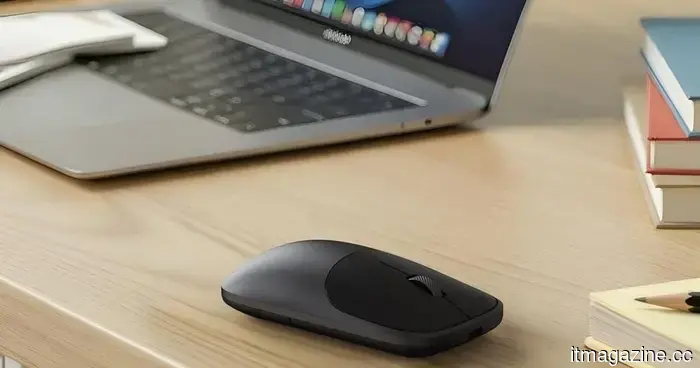 Here are the mice I would suggest for back-to-school.
Searching for a new mouse this Back-to-School period? Here are the top choices for gaming, productivity, creative tasks, and daily usage.
Here are the mice I would suggest for back-to-school.
Searching for a new mouse this Back-to-School period? Here are the top choices for gaming, productivity, creative tasks, and daily usage.
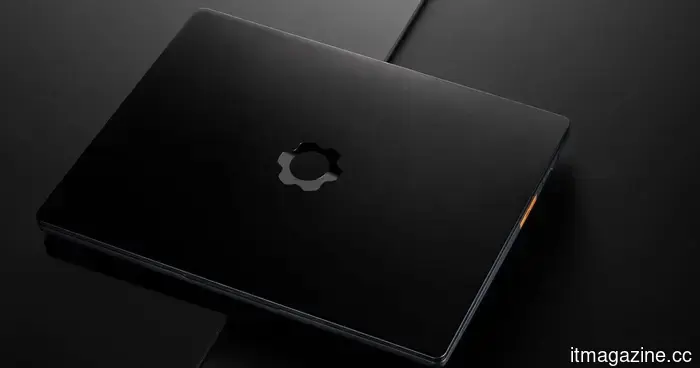 Framework is reducing the specifications of some Laptop 13 Pro orders due to a significant increase in RAM costs.
A sudden increase in LPCAMM2 prices has compelled Framework to adjust certain preorders for the Laptop 13 Pro and Mainboard, changing some 64GB configurations to 32GB and reducing some DIY Edition and Mainboard orders from 32GB to 16GB.
Framework is reducing the specifications of some Laptop 13 Pro orders due to a significant increase in RAM costs.
A sudden increase in LPCAMM2 prices has compelled Framework to adjust certain preorders for the Laptop 13 Pro and Mainboard, changing some 64GB configurations to 32GB and reducing some DIY Edition and Mainboard orders from 32GB to 16GB.
 You can enjoy Xbox games at no cost if you're okay with viewing advertisements.
Microsoft is trialing a free, ad-supported version of Xbox Cloud Gaming for Insiders, allowing them to stream their owned games for one-hour sessions in exchange for watching advertisements.
You can enjoy Xbox games at no cost if you're okay with viewing advertisements.
Microsoft is trialing a free, ad-supported version of Xbox Cloud Gaming for Insiders, allowing them to stream their owned games for one-hour sessions in exchange for watching advertisements.
Samsung has officially transitioned to a silicon-carbon battery for the Galaxy Z Fold 8. What makes this notable?
Samsung's initial silicon-carbon Galaxy smartphones demonstrate how denser batteries can enhance capacity, lower weight, and make space-constrained foldable designs much more feasible.