
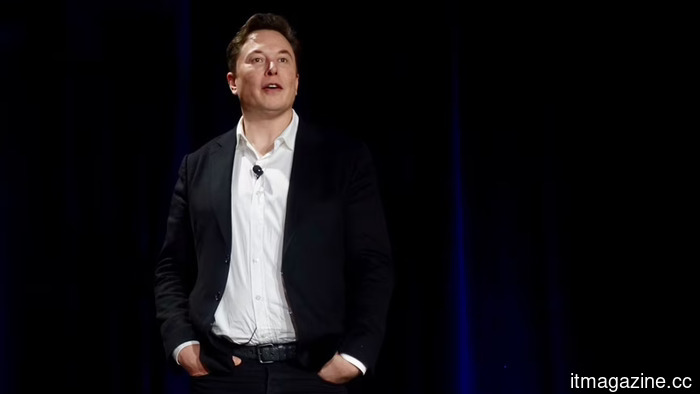
Musk expresses gratitude to Micron for the chips and constructs a factory to take its place.
Memory chips are essential to the AI surge, and currently, they are in short supply. Therefore, when Elon Musk acknowledged Micron during Tesla's quarterly call, it was noteworthy. Suppliers rarely receive public recognition, and those that are scarce certainly do.
Musk mentioned, as reported by Bloomberg, that Micron recently provided Tesla with a “significant allocation” of memory on “reasonable terms.” This is important given the limited availability and high prices of memory chips, exacerbated by the global expansion of AI, which has consumed a large amount of semiconductor supply, leaving other sectors struggling.
However, the expression of gratitude feels somewhat contradictory to Musk’s long-term strategy. He is discreetly working on a plan to reduce dependence on Micron altogether.
Introducing Terafab
The initiative, named Terafab, represents a collaboration between Tesla and SpaceX to produce computing and memory chips at an, as Musk describes it, unprecedented scale. A research facility is being established at Giga Texas, with an approximate investment of $3 billion, capable of producing several thousand wafers monthly.
The complete development could cost between $55 billion and $119 billion, as reported by CNBC, with Intel collaborating on design and manufacturing.
Musk was candid about the motive behind Terafab. He stated, “It is not to gain leverage over our chip suppliers; it is to ensure that we have enough chips in the future.” He argued that the semiconductor industry isn’t expanding quickly enough in logic or memory to fulfill his requirements “unless we also produce chips ourselves.”
Not Just a Major Customer
Beneath this, there is a more modest reality. Despite Tesla’s prominence, it does not leverage a significant position in the memory market. According to Bloomberg data, neither Tesla nor SpaceX appears among Micron’s top 10 clients.
Moreover, Tesla cannot match the purchasing power of hyperscalers that have secured supplies for extended periods. Micron did not comment on the situation, but it has every incentive to keep a prestigious client satisfied.
Thus, the acknowledgment of Micron today and the establishment of Terafab for the future are interconnected responses to the same concern. Tesla requires chips that it cannot consistently secure from a supplier that prioritizes its larger customers in a market where Micron's worth has increased significantly.
Expressing gratitude to Micron now while simultaneously developing Terafab for the future is not contradictory; it is part of the strategy. Whether a car manufacturer and a rocket company can also evolve into chip producers is the significant question, estimated at $119 billion.
Other articles
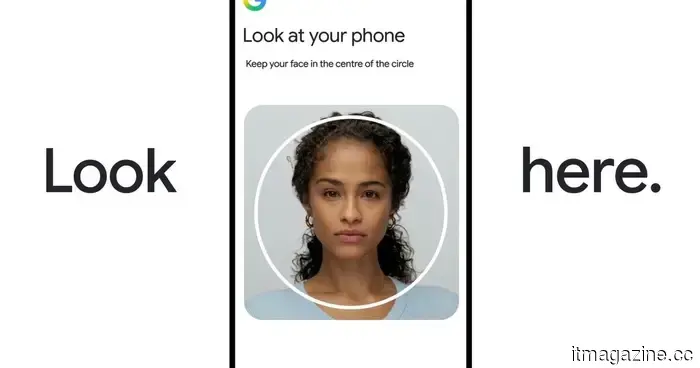 Google will now allow you to log in using a selfie video.
Google will now allow you to verify your identity through a live selfie video instead of relying on passwords.
Google will now allow you to log in using a selfie video.
Google will now allow you to verify your identity through a live selfie video instead of relying on passwords.
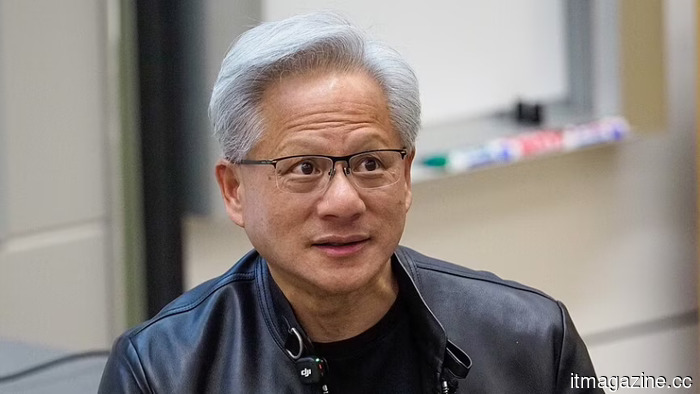 Jensen Huang earned $172 billion from selling AI chips. He has just donated $75 million to an art school.
Nvidia CEO Jensen Huang contributed $75 million to Vanderbilt for a college focused on art, architecture, and design in San Francisco. It is set to open next year at the former CCA campus.
Jensen Huang earned $172 billion from selling AI chips. He has just donated $75 million to an art school.
Nvidia CEO Jensen Huang contributed $75 million to Vanderbilt for a college focused on art, architecture, and design in San Francisco. It is set to open next year at the former CCA campus.
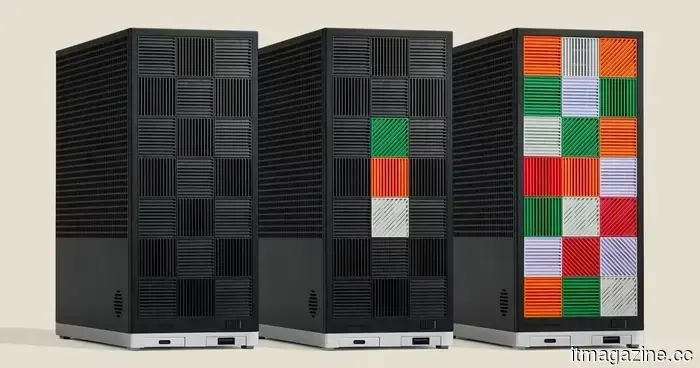 The Framework Desktop combines Ryzen AI Max, supports up to 192GB of RAM, and incorporates local AI into a compact PC.
Framework has showcased a new Desktop model equipped with 192GB of RAM and a powerful new processor, designed for running large AI models from home. Here’s what we’ve learned up to this point.
The Framework Desktop combines Ryzen AI Max, supports up to 192GB of RAM, and incorporates local AI into a compact PC.
Framework has showcased a new Desktop model equipped with 192GB of RAM and a powerful new processor, designed for running large AI models from home. Here’s what we’ve learned up to this point.
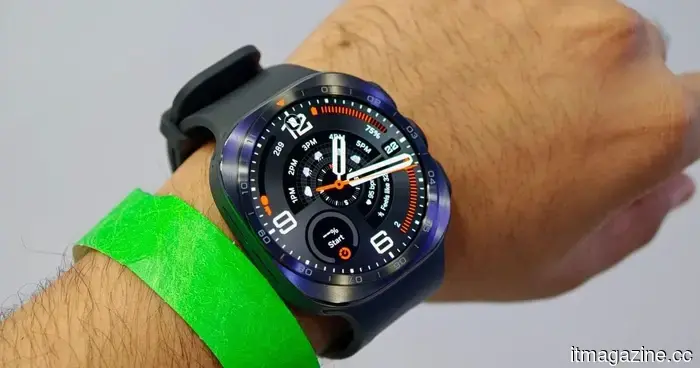 The top diving features of the Galaxy Watch Ultra 2 are said to come at an additional cost.
Samsung's Galaxy Watch Ultra 2 is now designed for diving, but a recent report indicates that the app required to access advanced diving features will require a subscription.
The top diving features of the Galaxy Watch Ultra 2 are said to come at an additional cost.
Samsung's Galaxy Watch Ultra 2 is now designed for diving, but a recent report indicates that the app required to access advanced diving features will require a subscription.
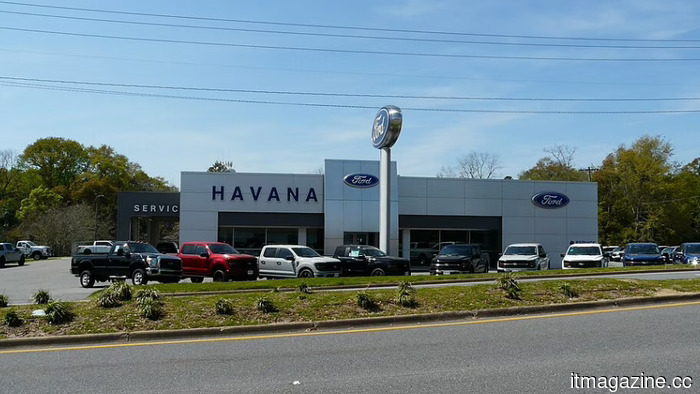 Ford and Geely will collaborate on the production of electric vehicles at Ford's facility in Spain. Ford holds a 66% stake, while Geely owns 34%.
Ford and Geely have revealed a partnership to manufacture electric vehicles at Ford's Valencia facility, with Ford owning a 66% stake. Four models are expected to be launched by 2028, and operations are set to commence in the first half of 2027.
Ford and Geely will collaborate on the production of electric vehicles at Ford's facility in Spain. Ford holds a 66% stake, while Geely owns 34%.
Ford and Geely have revealed a partnership to manufacture electric vehicles at Ford's Valencia facility, with Ford owning a 66% stake. Four models are expected to be launched by 2028, and operations are set to commence in the first half of 2027.
Musk expresses gratitude to Micron for the chips and constructs a factory to take its place.
Elon Musk expressed gratitude to Micron for a 'substantial' memory-chip allocation during Tesla's earnings call, all while he is developing Terafab, a $55 billion chip manufacturing facility for Tesla and SpaceX.