
Google has simplified the process of transitioning from iPhone to Android with the release of Android 17.
Android 17 can now transfer passwords, passkeys, eSIM, and even your home screen.
Transitioning from an iPhone to an Android phone has never been straightforward, but Google aims to improve that. With Android 17, the company has launched a redesigned Android Switch capable of transferring significantly more data than previous versions.
Google collaborated with Apple to develop this new transfer system from scratch, enabling a broader range of information to be moved wirelessly than ever before. The improved experience is currently being rolled out to eligible Pixel devices and is also available on Samsung’s newest Galaxy Z Fold 8 and Galaxy Z Flip 8 via Smart Switch.
What distinguishes the new transfer process in Android 17?
Google
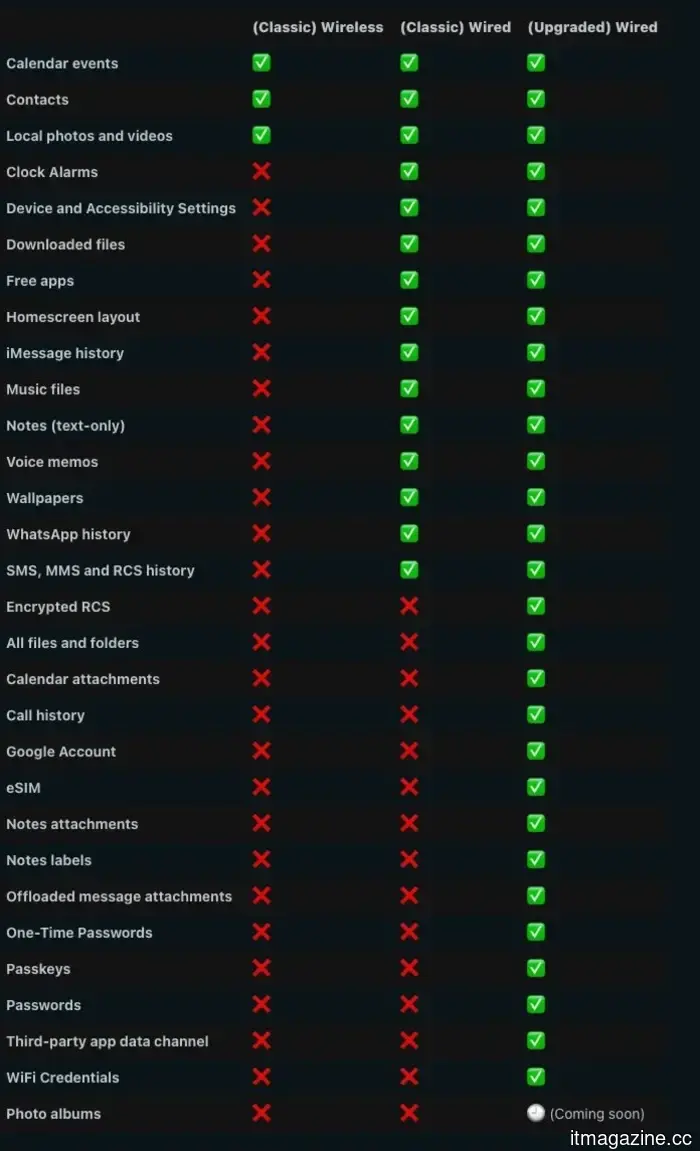
The earlier transfer methods from iPhone to Android had a significant limitation. Although data could be copied wirelessly, iOS restrictions meant that many vital items remained behind unless a cable was utilized. Even then, certain information was simply not transferable, requiring users to spend additional time setting up their new devices manually.
Now, you can transfer your favorite apps, passwords, passkeys, messages, files, home screen layout, and even your eSIM profile. Previous versions could not handle alarms, call history, or downloaded files, which often resulted in a lot of manual setup after switching. However, photo albums are still noted as coming soon.
r/Android | Reddit
Which phones will feature the new Android Switch experience?
The enhanced migration tool is part of Android 17 and is already being rolled out to Pixel 8 and newer devices. The new Galaxy Z Fold 8 and Galaxy Z Flip 8 series from Samsung also receive this upgraded experience through Smart Switch straight out of the box.
If your device is eligible, a QR code will appear when you opt to transfer data from an iPhone during setup. Google has indicated that more Android devices will gain access soon, although a comprehensive timeline has not yet been provided.
Manisha Priyadarshini is a writer focused on tech and entertainment, boasting over nine years of editorial experience.
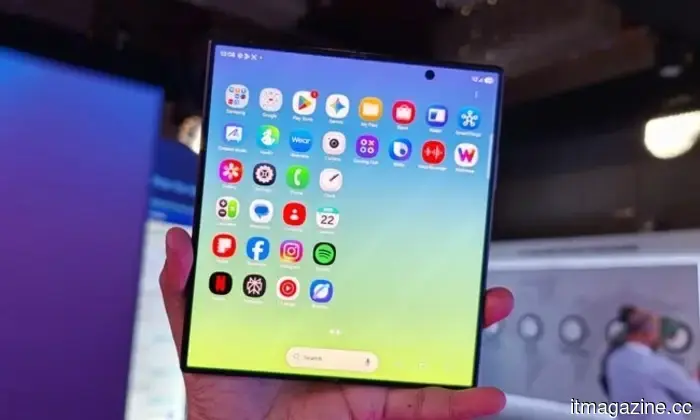
I tested the Samsung Galaxy Z Fold 8 Ultra, and it represents the pinnacle of foldables in an old design.
It may not appear to be a new beginning, but there are numerous thoughtful engineering enhancements beneath its familiar exterior.
Samsung recently concluded its flashy Unpacked event, unveiling three new foldable phones along with a pair of smartwatches. While I am excited about the compact Galaxy Z Fold 8, the Ultra variant truly feels like an improvement. Oddly enough, at first glance, you might confuse the Galaxy Z Fold 8 Ultra for the Galaxy Z Fold 7, as they look nearly identical. Samsung has made no notable changes to help the Galaxy Z Fold 8 Ultra stand out from its predecessor. While the color options are refreshed, there are several modifications made internally that provide this phone a practically beneficial iteration.
Read more
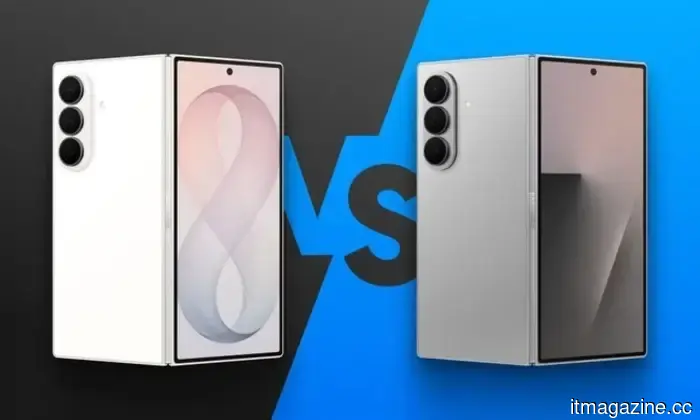
Fold 8 Ultra vs. Fold 7: Comprehensive upgrades, but is the Ultra worth the upgrade?
From battery size to camera capabilities, here’s a detailed comparison between the Galaxy Z Fold 8 Ultra and Galaxy Z Fold 7, addressing whether an upgrade is justified.
Foldables age differently than standard smartphones or flagship devices. But why do I mention this? It’s the hinge and the foldable feature that attract buyers initially, not the specifications that become outdated yearly. This is why anyone still using last year's Galaxy Z Fold 7 is right to question whether Samsung's newly launched Z Fold 8 Ultra truly warrants an upgrade, or if the Fold 7 still remains competitive. For those who skipped last year’s model altogether and are considering their first foldable purchase, the evaluation differs significantly. A now-discounted Fold 7 could be significantly cheaper than the Ultra, which is important for buyers focusing on the form factor rather than the latest features.
Samsung enhances the ability to run multiple applications on the Galaxy Z Flip 8’s cover screen.
The Galaxy Z Flip 8 now supports 16 apps on its cover display.
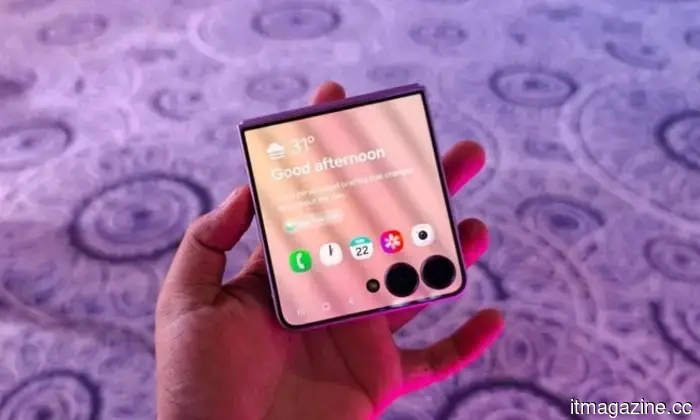
Samsung is finally making the cover screen of the Galaxy Z Flip more functional. With the new Galaxy Z Flip 8, users no longer need to rely on workarounds to access more apps without unfolding the phone. Samsung has broadened native support on the FlexWindow, allowing 16 apps to operate directly on the outer display and simplifying the process of launching virtually any other app. This update resolves one of the main complaints expressed by Flip users for years and positions Samsung to compete more effectively with rivals like Motorola, whose Razr series has long provided a more versatile cover screen experience.
Read more

Другие статьи
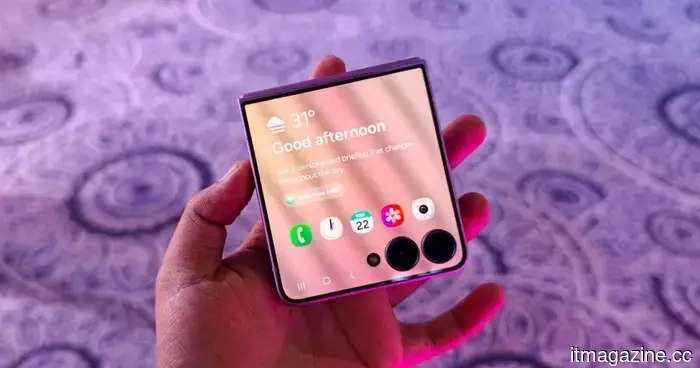 Samsung simplifies the process of running multiple applications on the cover screen of the Galaxy Z Flip 8.
Samsung enhanced the Z Flip 8's cover display by introducing a native app drawer that accommodates 16 apps right from the start, tackling years of user dissatisfaction with its previously restricted widget-only capabilities.
Samsung simplifies the process of running multiple applications on the cover screen of the Galaxy Z Flip 8.
Samsung enhanced the Z Flip 8's cover display by introducing a native app drawer that accommodates 16 apps right from the start, tackling years of user dissatisfaction with its previously restricted widget-only capabilities.
 Fold 8 Ultra vs. Fold 7: Improvements all around, but is the Ultra upgrade truly justified?
Samsung's Galaxy Z Fold8 Ultra features a larger battery, enhanced charging speed, and a significantly upgraded ultra-wide camera compared to the Fold 7, although many fundamental hardware components remain unchanged.
Fold 8 Ultra vs. Fold 7: Improvements all around, but is the Ultra upgrade truly justified?
Samsung's Galaxy Z Fold8 Ultra features a larger battery, enhanced charging speed, and a significantly upgraded ultra-wide camera compared to the Fold 7, although many fundamental hardware components remain unchanged.
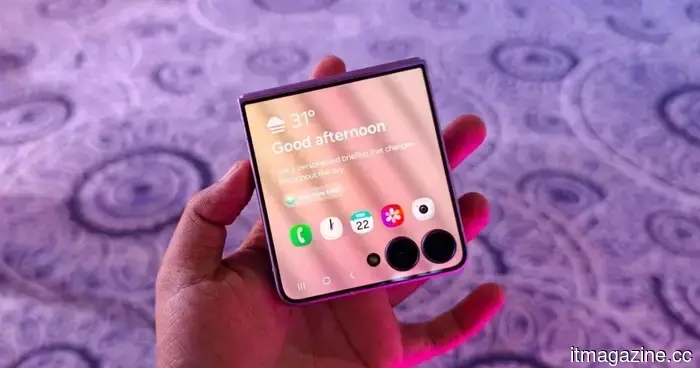 Samsung simplifies the process of using multiple apps on the cover screen of the Galaxy Z Flip 8.
Samsung enhanced the Z Flip 8's cover screen by introducing a native app drawer that accommodates 16 apps from the start, resolving years of user dissatisfaction with the previous widget-only feature.
Samsung simplifies the process of using multiple apps on the cover screen of the Galaxy Z Flip 8.
Samsung enhanced the Z Flip 8's cover screen by introducing a native app drawer that accommodates 16 apps from the start, resolving years of user dissatisfaction with the previous widget-only feature.
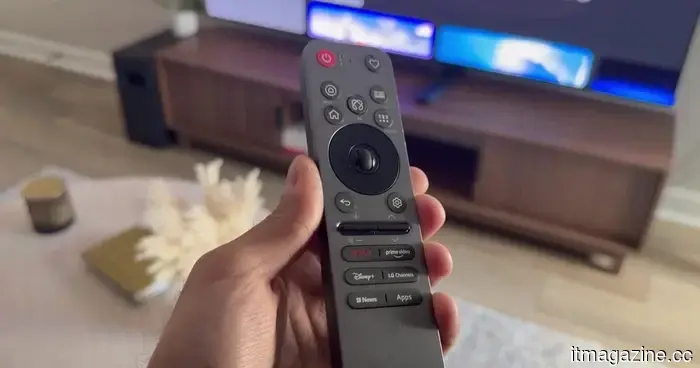 The LG C6 OLED performs excellently right from the start. These adjustments enhance its performance even further.
The LG C6 OLED offers an outstanding experience right from the start, but some easy modifications can enhance it further. After a month of testing, I consistently return to these picture, motion, and sound settings, along with the adjustments that clearly improved the overall viewing experience.
The LG C6 OLED performs excellently right from the start. These adjustments enhance its performance even further.
The LG C6 OLED offers an outstanding experience right from the start, but some easy modifications can enhance it further. After a month of testing, I consistently return to these picture, motion, and sound settings, along with the adjustments that clearly improved the overall viewing experience.
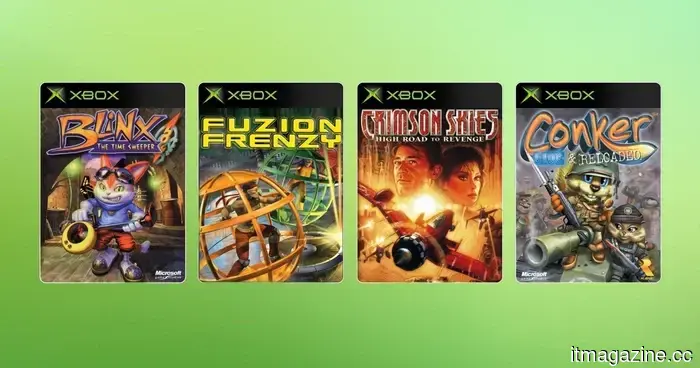 Microsoft is introducing original Xbox games to PC through backward compatibility.
Microsoft introduced Xbox Backward Compatibility for PC, allowing four classic original Xbox titles to be available on Windows and handheld devices for the first time, featuring upscaling, VSync, and achievements that will be added later this year.
Microsoft is introducing original Xbox games to PC through backward compatibility.
Microsoft introduced Xbox Backward Compatibility for PC, allowing four classic original Xbox titles to be available on Windows and handheld devices for the first time, featuring upscaling, VSync, and achievements that will be added later this year.
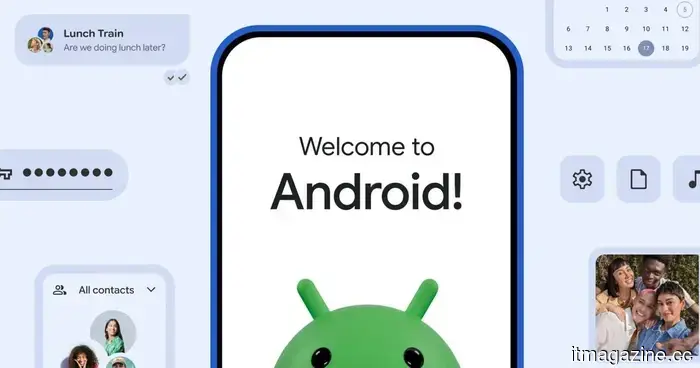 Google has simplified the process of transitioning from iPhone to Android with Android 17.
Android 17 has launched an enhanced migration tool that transfers significantly more data from iPhones than previously. Wired transfers can now include passwords, passkeys, eSIM, Google Accounts, and additional data.
Google has simplified the process of transitioning from iPhone to Android with Android 17.
Android 17 has launched an enhanced migration tool that transfers significantly more data from iPhones than previously. Wired transfers can now include passwords, passkeys, eSIM, Google Accounts, and additional data.
Google has simplified the process of transitioning from iPhone to Android with the release of Android 17.
Android 17 has launched an enhanced migration tool that transfers significantly more data from iPhones than in the past. Wired transfers can now include passwords, passkeys, eSIM, Google Accounts, and additional items.