
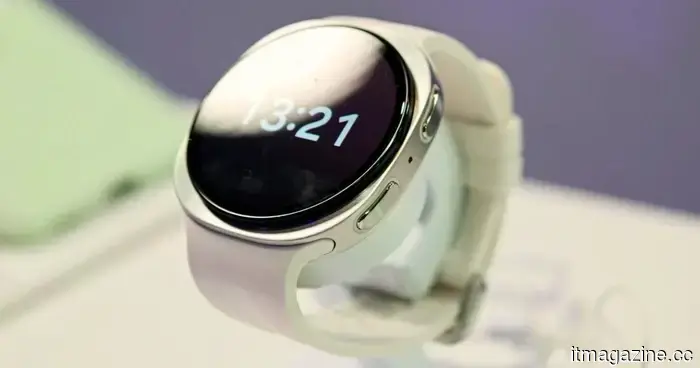
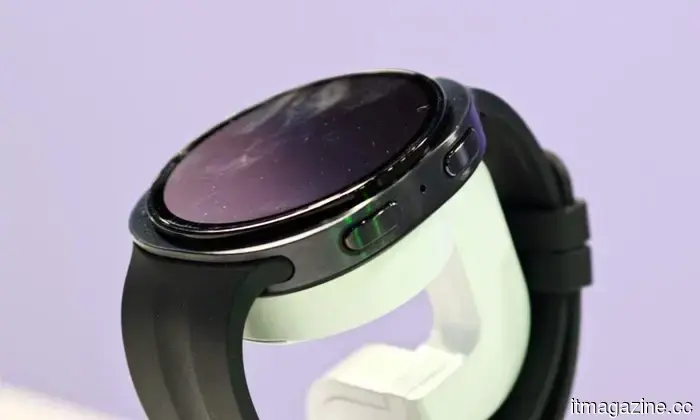
The Galaxy Watch 9 features a new processor, larger batteries, One UI 9 Watch, and a $30 increase in price.
The Galaxy Watch 9 was officially announced today, marking more than just a name change for the smartwatch. Samsung has upgraded it with a new chipset and increased battery capacity, particularly for the smaller model.
In the US, customers can pre-order the Galaxy Watch 9 starting July 22, 2026, with general availability beginning August 7, 2026.
So, what's new?
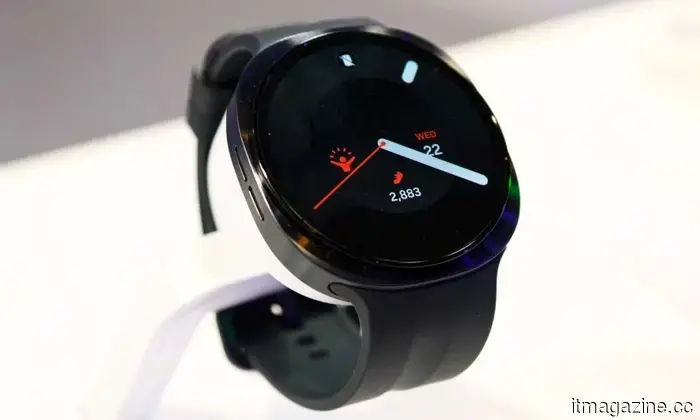
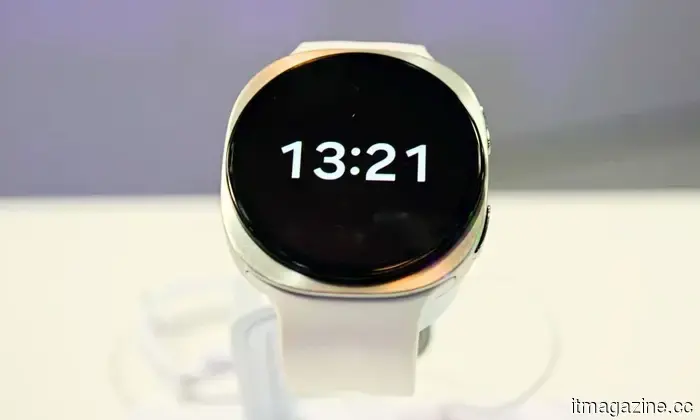
The Watch 9 comes in the standard 40mm and 44mm sizes, with prices set at $379.99 for the Bluetooth model and $429.99 for the LTE version, reflecting a $30 increase from last year’s starting price. The Bluetooth model is offered in Cream and Graphite, whereas the LTE version is available in Graphite and Silver.
The most notable change lies within. Samsung has replaced its long-standing Exynos W1000 chip with the Snapdragon Wear Elite chipset, which also powers the Watch 9 and the Watch Ultra 2.
For those who are not familiar, the Wear Elite boasts significantly faster processing speeds, a dedicated NPU for on-device AI tasks, and better battery efficiency compared to the W1000 chip.
On the software side, the Watch 9 runs on Wear OS 7 with One UI 9 Watch, and it includes Samsung’s new AI health suite featuring FDA-approved Sleep Apnea detection, a Heart Health Score, Daily Cardio Load, and hearing protection alerts.
How does the Watch 9 compare to the Watch 8?
Battery life improvements vary by size. The 40mm model increases from 325mAh to 390mAh, marking a noticeable 20% enhancement that users are likely to appreciate the most.
The 44mm model sees a slight improvement, going from 435mAh to 445mAh, although its battery life was already quite strong. Both models maintain a brightness of 3,000 nits, so Watch 8 users won’t notice a display upgrade here. Despite the chipset enhancement, the Watch 9 retains the same memory and storage as its predecessor with 2GB and 32GB, respectively.
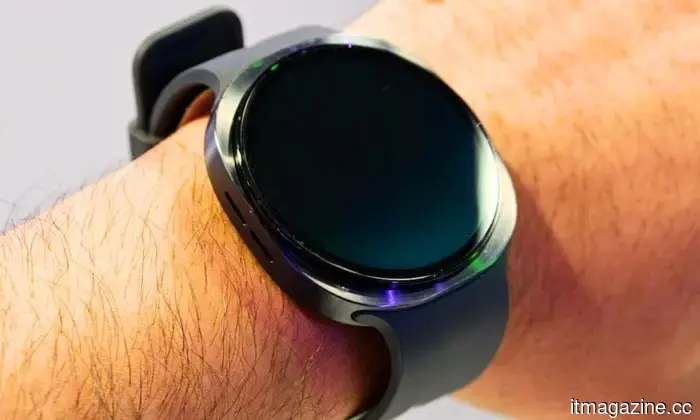
It also includes all the familiar sensors, such as Samsung’s BioActive Sensor, a dedicated temperature sensor, accelerometer, and a light sensor, among others. Water resistance levels stay the same at 5 ATM and IP68, but a MIL-STD-810H certification is now included.
The anticipated price increase has indeed materialized.
New band options, including Sports, Misty, and Fabric, have been added, along with free trials for Strava and iFIT for two months, which could aid in boosting sales at launch. Furthermore, the Galaxy Watch 9 does present more than just a minor upgrade, contrary to initial rumors. However, the price increase may disappoint some potential buyers.
I’m observing that Samsung’s trend of raising prices is becoming evident. This is not a one-time occurrence; there's been a $50 increase from the Watch 7 to the Watch 8 and an additional $30 now: totaling $80 in just two years. Additionally, it appears Samsung has opted for Qualcomm for AI workloads, indicating a lack of confidence in its Exynos chip.
While I wouldn’t claim the Galaxy Watch 9 isn't worth the $379.99 price tag, the larger variant, especially when factoring in the cellular connectivity premium, could be a significant financial burden compared to what a smart device should cost.
Other articles
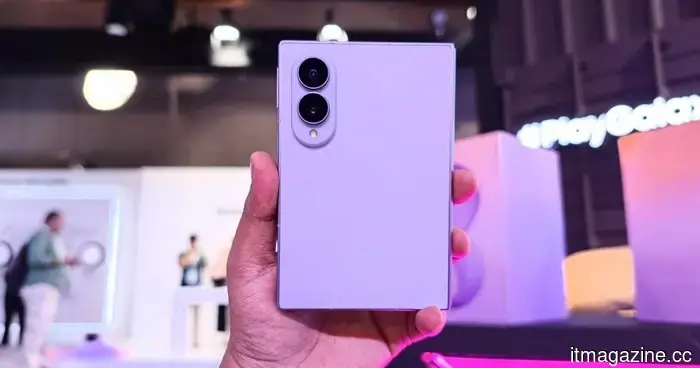 Samsung's Galaxy Z Fold 8 adopts a wider and lighter design to establish a fresh identity for foldable smartphones.
The Galaxy Z Fold 8 marks Samsung's initial wide foldable, designed to be both lighter and more durable than previous models, with a starting price of $1,899.99. Here’s all the latest information.
Samsung's Galaxy Z Fold 8 adopts a wider and lighter design to establish a fresh identity for foldable smartphones.
The Galaxy Z Fold 8 marks Samsung's initial wide foldable, designed to be both lighter and more durable than previous models, with a starting price of $1,899.99. Here’s all the latest information.
.jpg) 9 top requirements management tools for the development of medical devices (2026)
Nine tools for managing requirements in medical device development, evaluated based on traceability, support for compliance, and readiness for FDA and EU MDR regulations.
9 top requirements management tools for the development of medical devices (2026)
Nine tools for managing requirements in medical device development, evaluated based on traceability, support for compliance, and readiness for FDA and EU MDR regulations.
 NEURA is constructing gyms to prepare robots for real-world applications.
NEURA Robotics is launching a network of 'gyms' where robots can train in real-world conditions. Their belief is that the main limitation of Physical AI lies in experience rather than intelligence.
NEURA is constructing gyms to prepare robots for real-world applications.
NEURA Robotics is launching a network of 'gyms' where robots can train in real-world conditions. Their belief is that the main limitation of Physical AI lies in experience rather than intelligence.
 Meta has appointed Assaf Keren, formerly of Qualtrics and PayPal, as its new chief information security officer.
Meta has appointed cybersecurity expert Assaf Keren as its new Chief Information Security Officer, succeeding Guy Rosen, who is leaving after 13 years but will remain for a transition phase.
Meta has appointed Assaf Keren, formerly of Qualtrics and PayPal, as its new chief information security officer.
Meta has appointed cybersecurity expert Assaf Keren as its new Chief Information Security Officer, succeeding Guy Rosen, who is leaving after 13 years but will remain for a transition phase.
 Pope Leo's texts were verified as human by AI detection tools.
To demonstrate that the anti-AI Pope’s statements were composed by a human, Australia’s Proudly Human verified his writings with a set of the AI detectors that have emerged from AI technology.
Pope Leo's texts were verified as human by AI detection tools.
To demonstrate that the anti-AI Pope’s statements were composed by a human, Australia’s Proudly Human verified his writings with a set of the AI detectors that have emerged from AI technology.
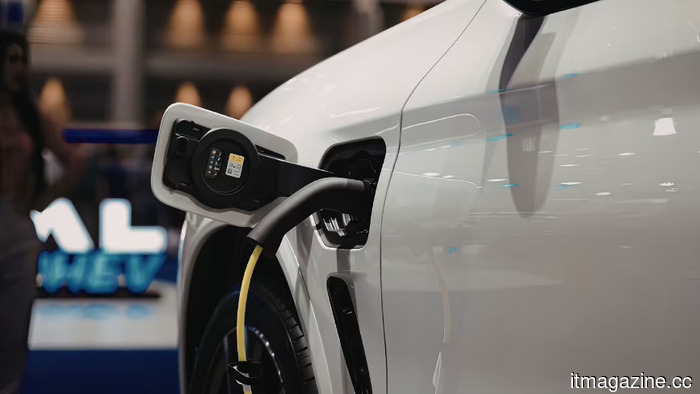 In June, electric vehicle sales in Europe skyrocketed by almost 40 percent, with market share exceeding 25 percent.
In June, battery-electric vehicle registrations reached 275,060 in 17 European countries, leading to first-half sales surpassing 1,240,000 and a market share exceeding 25 percent.
In June, electric vehicle sales in Europe skyrocketed by almost 40 percent, with market share exceeding 25 percent.
In June, battery-electric vehicle registrations reached 275,060 in 17 European countries, leading to first-half sales surpassing 1,240,000 and a market share exceeding 25 percent.
The Galaxy Watch 9 features a new processor, larger batteries, One UI 9 Watch, and a $30 increase in price.
The Galaxy Watch 9 replaces Samsung's Exynos chip with the Snapdragon Wear Elite, introduces FDA-approved health features, and has a starting price of $379.99, which is an increase of $30 compared to the Watch 8.