

Vibecoded applications are overwhelming Apple's App Store, and users are becoming increasingly frustrated with them.
Apple’s App Store is experiencing its largest surge in submissions in years. Last year, developers submitted nearly 600,000 new apps, representing a 30 percent increase compared to the previous year. In just the first half of this year, that figure has already surged to an estimated 560,000 new apps, as reported by the New York Times, citing analytics firm Sensor Tower. This spike is attributed to vibecoding, which enables individuals without prior development experience to create new apps using AI tools.
A familiar surge, with a twist
The App Store has previously seen significant submission numbers. New releases peaked at around 890,000 in 2016 before experiencing a steady decline, dropping to about 420,000 by 2022. The current upturn signifies a stark turnaround from that decline, but this wave differs from the previous one. Whereas the last boom was primarily driven by professional developers, the current rise is fueled by newcomers lacking any coding background.
Rachit Agarwal / Digital Trends
The Times highlights a Chicago engineer who utilized AI tools to create and launch two apps despite having no prior experience. The first app took seven weeks to develop and prepare for the App Store, resulting in 1,300 downloads. His second app came together in about a week, achieving 20,000 downloads. He is now considering quitting his day job to focus on app development full time.
Such stories contribute to the ongoing increase in submission numbers. However, a rise in app creation does not automatically correlate with a growth in user engagement, which is where the data begins to deviate.
More apps do not necessarily translate to more revenue for Apple
According to Sensor Tower, App Store downloads grew just 3 percent last year and 2 percent thus far this year, significantly trailing the rate of new submissions. Apple takes a percentage from developers on app purchases, so the widening gap between submissions and downloads implies that the surge isn’t resulting in proportional revenue. A company spokesperson contended that downloads are merely one measure among many that reflect the App Store’s overall value.
Sam / Unsplash
This surge may also be placing additional strain on Apple. Given that the company reviews every app prior to its launch, the sudden influx of submissions has reportedly delayed the approval process. According to comments in Apple’s developer forums, some developers have faced weeks of waiting for approvals with minimal communication. However, Apple disputed this, stating to the Times that it approves 90 percent of submissions within 48 hours.
Even if Apple maintains its review speed, it doesn't guarantee that what gets approved is worth downloading. Phillip Shoemaker, who managed the App Store from 2009 to 2016, shared with the Times that an influx of low-effort apps isn’t necessarily problematic for a platform with no physical limitations. He pointed out that the real danger lies in the increased risk of malicious or harmful apps slipping through the review process. Nonetheless, this perspective may understate another cost, one that is often highlighted on user forums rather than security reports.
What the numbers don’t reveal
This cost has been evident in discussions on platforms like Reddit, where threads about new apps frequently attract comments like, “Is this vibecoded?” This is seldom said in praise. As one browses through enough discussions, it becomes clear that many of these apps contribute little new value. They often appear as low-effort replicas of existing apps, merely enhanced with slight modifications or superficial polish.
Some apps are outright flawed or pose security risks, created by individuals lacking the coding expertise to identify or rectify issues independently. A few functioning apps feel unnecessary, and the weekly influx of such apps is overwhelming for anyone trying to sift through them.
This disillusionment is reflected in the moderation choices being made as well. Moderators of r/iosapps introduced a tiered system to classify apps lacking a solid reputation—whether through App Store reviews, a GitHub presence, or established developer recognition—into a separate megathread rather than the main feed. Apps mainly created with AI-generated code are required to label themselves as “Vibe Coded,” a designation that is prioritized above even pricing information, such as whether the app is free or subscription-based.
This aspect is something the submission and download statistics fail to capture. An increasing app count does not indicate the actual quality of those apps. The situation has evolved to the point where users have begun to compile identifiable traits of vibecoded apps, often dismissing them outright without assessing the quality of each app. Such behavior is understandable given the overwhelming quantity of subpar options, yet it also means that some genuinely valuable apps are becoming lost amidst the skepticism surrounding the rest.

Other articles
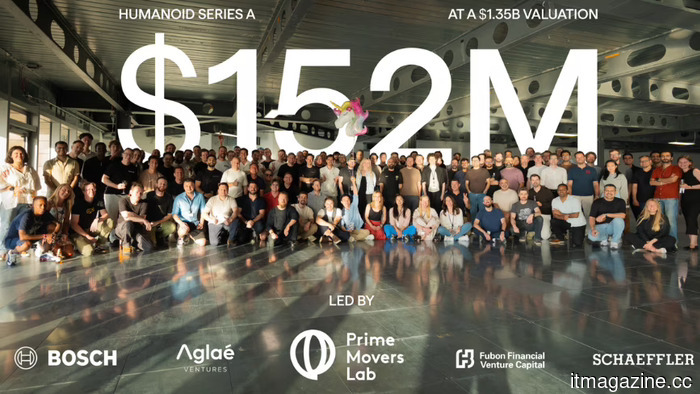 London-based robotics startup Humanoid has secured $152 million in Series A funding, with Bosch poised to manufacture its wheeled robots on a large scale.
Humanoid secured $152 million in funding, spearheaded by Prime Movers Lab, achieving a valuation of one billion dollars. Bosch is serving as the contract manufacturer, and there are reported pre-orders totaling 34,000.
London-based robotics startup Humanoid has secured $152 million in Series A funding, with Bosch poised to manufacture its wheeled robots on a large scale.
Humanoid secured $152 million in funding, spearheaded by Prime Movers Lab, achieving a valuation of one billion dollars. Bosch is serving as the contract manufacturer, and there are reported pre-orders totaling 34,000.
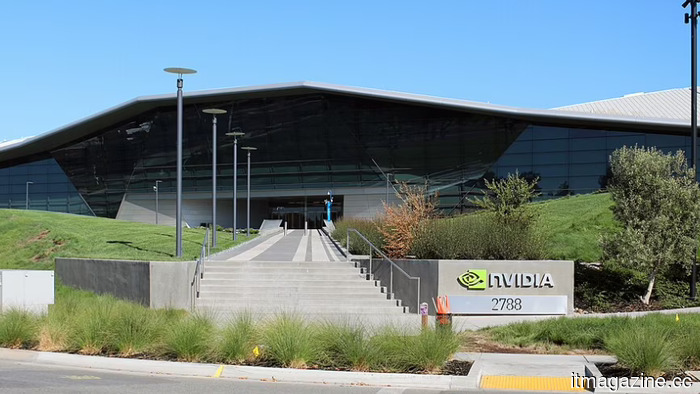 Nvidia has announced that Vera Rubin is now in full production, and OpenAI is planned to scale its deployment in the third quarter.
Nvidia showcased the Vera Rubin systems at its headquarters, with Ian Buck announcing that full production is underway and OpenAI intending to implement large-scale deployment this quarter.
Nvidia has announced that Vera Rubin is now in full production, and OpenAI is planned to scale its deployment in the third quarter.
Nvidia showcased the Vera Rubin systems at its headquarters, with Ian Buck announcing that full production is underway and OpenAI intending to implement large-scale deployment this quarter.
 Samsung Unpacked 2026: what to anticipate from the Z Fold 8
Samsung Galaxy Unpacked will take place on July 22 in London. Leaks suggest a broader Galaxy Z Fold 8, another foldable device, a durable watch, and AI glasses. What can we expect?
Samsung Unpacked 2026: what to anticipate from the Z Fold 8
Samsung Galaxy Unpacked will take place on July 22 in London. Leaks suggest a broader Galaxy Z Fold 8, another foldable device, a durable watch, and AI glasses. What can we expect?
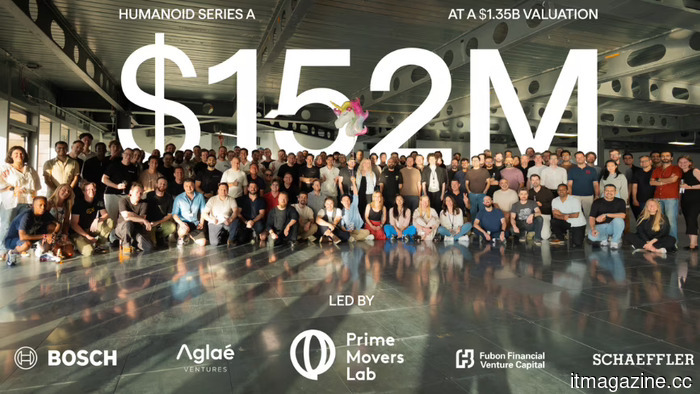 London-based robotics startup Humanoid has secured $152 million in its Series A funding round, with Bosch poised to produce its wheeled robots on a large scale.
Humanoid secured $152 million in funding, spearheaded by Prime Movers Lab, achieving a valuation of one billion dollars, and has Bosch as its contract manufacturer along with 34,000 reported pre-orders.
London-based robotics startup Humanoid has secured $152 million in its Series A funding round, with Bosch poised to produce its wheeled robots on a large scale.
Humanoid secured $152 million in funding, spearheaded by Prime Movers Lab, achieving a valuation of one billion dollars, and has Bosch as its contract manufacturer along with 34,000 reported pre-orders.
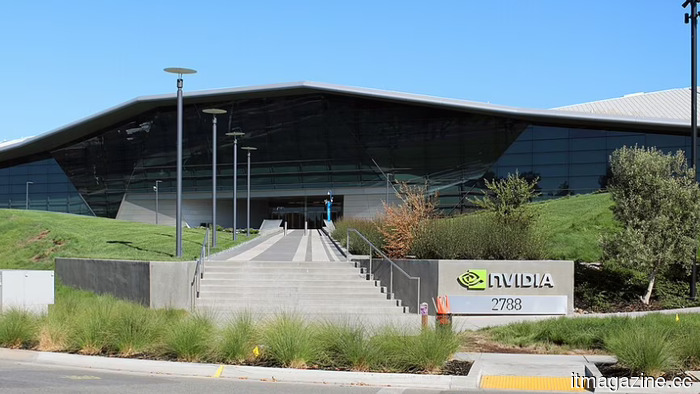 Nvidia reports that Vera Rubin is now in full production, with OpenAI planning to scale its deployment in the third quarter.
Nvidia showcased its Vera Rubin systems at its headquarters, with Ian Buck announcing that full production is underway, and OpenAI intends to initiate large-scale deployment this quarter.
Nvidia reports that Vera Rubin is now in full production, with OpenAI planning to scale its deployment in the third quarter.
Nvidia showcased its Vera Rubin systems at its headquarters, with Ian Buck announcing that full production is underway, and OpenAI intends to initiate large-scale deployment this quarter.
 US legislators urge Trump to initiate a trade investigation regarding EU technology regulations.
US legislators have called on President Trump to initiate a Section 301 trade investigation into the EU’s Digital Markets Act and Digital Services Act.
US legislators urge Trump to initiate a trade investigation regarding EU technology regulations.
US legislators have called on President Trump to initiate a Section 301 trade investigation into the EU’s Digital Markets Act and Digital Services Act.
Vibecoded applications are overwhelming Apple's App Store, and users are becoming increasingly frustrated with them.
This year, submissions to the App Store have increased twofold, thanks to AI tools simplifying the development process. However, download rates haven't matched this growth, as users are becoming fatigued from sifting through low-quality, AI-generated applications.