
Kimi K3 unsettled the markets. The selloff in AI was already set in motion.
**Summary**: Moonshot's Kimi K3, touted as the largest open AI model with 2.8 trillion parameters, has sparked a global selloff in the tech and semiconductor sectors, drawing parallels to the "DeepSeek moment." The selloff is attributed to multiple factors, including disappointing earnings from Netflix and TSMC, the ongoing conflict in Iran, risk aversion, and concerns over interest rates, with Kimi being one contributing factor. The underlying worry is significant: as advanced AI becomes more accessible and potentially free, the approximately $700 billion invested by hyperscalers may not yield returns, a risk highlighted by Apollo's Torsten Sloek, who cautioned this could lead to a recession.
A new Chinese AI model has unsettled global markets, causing substantial declines in tech and semiconductor stocks. Moonshot's Kimi K3 took investors by surprise, fueling a larger selloff, as reported by Bloomberg. Traders swiftly dubbed it a "Kimi moment," reminiscent of the DeepSeek shock from early 2025. However, this comparison may not entirely be justified.
**Overview of Kimi K3**:
Kimi K3 is the largest open AI model released so far, comprising 2.8 trillion parameters and featuring a million-token context window. TNW has noted its launch as the largest open model globally.
What worried investors were the claims associated with Kimi. Moonshot asserted that it matches or surpasses top U.S. models, like GPT-5.6 and Claude Fable 5, in coding and long-term tasks. Importantly, it is an open model, with the complete weights expected to be available later this month, allowing anyone to download and self-host it instead of paying for access to OpenAI or Anthropic.
**Multiple Factors Behind the Selloff**:
It’s important to recognize that the selloff was influenced by several factors, and Kimi was just one of them. Disappointing earnings contributed significantly, with Netflix dropping around 9% and TSMC's results putting pressure on its stock. Additionally, the Iran conflict, a general risk-averse sentiment, and fears about interest rates and inflation played roles.
The selloff impacted markets globally, with South Korea’s KOSPI tumbling over 6%, Japan’s Nikkei dropping more than 4%, and U.S. semiconductor companies like Intel, Micron, AMD, and Marvell witnessing declines.
**Underlying Concern**:
At the core of the situation lies a common concern: if sophisticated AI becomes affordable or free, the vast sums being invested to develop it may not yield acceptable returns. Torsten Sloek from Apollo cautioned that a discrepancy between capital expenditures by hyperscalers and their revenue could potentially push the economy towards recession if competition from Chinese and open-source models undermines AI-related income.
Hyperscalers are projected to spend approximately $700 billion on AI infrastructure this year. The emergence of a competitive Chinese model that rivals top-tier paid models poses a direct threat to the financial calculations surrounding these investments.
**Why the Anxiety Might Be Overblown**:
The DeepSeek episode has dual implications. That downturn was also interpreted as signaling the end of the U.S. AI sector, only for the market to recover as expenditure continued uninterrupted.
The existence of a model does not guarantee its adoption by businesses. Factors such as trust, support, security, and integration still favor established players, and unlike during the dot-com bubble, U.S. AI companies are currently very profitable.
Nevertheless, the trend is concerning. Chinese labs continue to introduce affordable, open models, such as DeepSeek, which recently slashed its prices by 75%, along with MiniMax’s extensive open systems.
**Final Insights**:
The key takeaway is not that Kimi K3 alone destabilized the market but rather that markets are now predisposed to react negatively at the mention of any affordable competitive model from China. Each new release chip away at the belief that cutting-edge AI must be either expensive or American, creating anxiety that not even strong earnings can alleviate, with Kimi K3 intensifying this apprehension.
Other articles
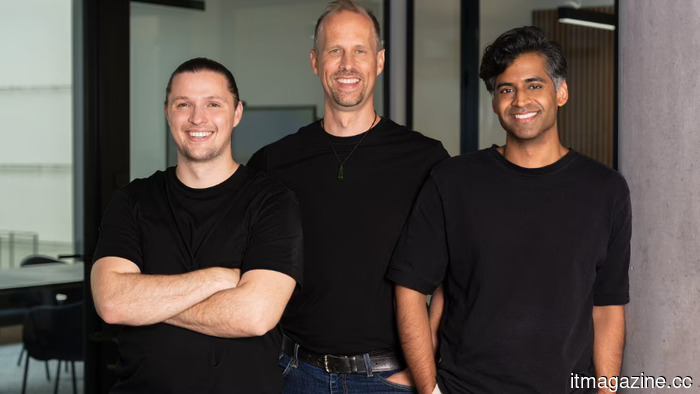 SAP's EUR 1 billion investment in AI focuses on tables rather than chatbots.
SAP has finalized its acquisition of Prior Labs, the creator of TabPFN, a foundational model designed for structured data. This investment, exceeding EUR 1 billion, represents a significant commitment to tabular AI and marks an uncommon success for Europe.
SAP's EUR 1 billion investment in AI focuses on tables rather than chatbots.
SAP has finalized its acquisition of Prior Labs, the creator of TabPFN, a foundational model designed for structured data. This investment, exceeding EUR 1 billion, represents a significant commitment to tabular AI and marks an uncommon success for Europe.
 A new open-weight AI from China is surpassing the leading models from OpenAI and Claude Fable.
Moonshot's Kimi K3, with its 2.8 trillion parameters, nearly matches Fable 5 and GPT 5.6 Sol across multiple benchmarks, all while maintaining open weight.
A new open-weight AI from China is surpassing the leading models from OpenAI and Claude Fable.
Moonshot's Kimi K3, with its 2.8 trillion parameters, nearly matches Fable 5 and GPT 5.6 Sol across multiple benchmarks, all while maintaining open weight.
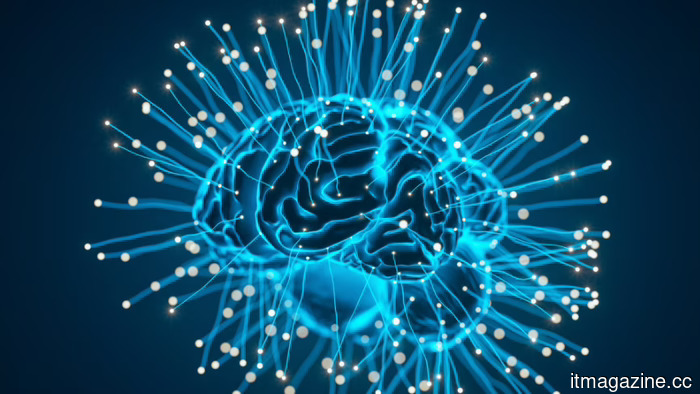 Reasons an AI browser could become a regular part of your daily routine.
AI browsers such as Ace incorporate assistance directly into the browsing experience, aiding users in summarizing content, comparing tabs, and handling daily online activities without the need to switch between tools.
Bunkerhill secures $55 million for clinically developed AI agents for hospitals.
Bunkerhill Health, supported by Khosla, enables hospitals to create their own clinical AI agents. In one healthcare system, over 20 are currently operational, managing patient triage and routing.
Reasons an AI browser could become a regular part of your daily routine.
AI browsers such as Ace incorporate assistance directly into the browsing experience, aiding users in summarizing content, comparing tabs, and handling daily online activities without the need to switch between tools.
Bunkerhill secures $55 million for clinically developed AI agents for hospitals.
Bunkerhill Health, supported by Khosla, enables hospitals to create their own clinical AI agents. In one healthcare system, over 20 are currently operational, managing patient triage and routing.
 Eoptolink files for a $5 billion listing for AI infrastructure in Hong Kong.
Eoptolink, the manufacturer of optical transceivers used in AI data centres for Google and Amazon, has applied for a Hong Kong listing valued at up to $5 billion following a profit increase of 236%.
Eoptolink files for a $5 billion listing for AI infrastructure in Hong Kong.
Eoptolink, the manufacturer of optical transceivers used in AI data centres for Google and Amazon, has applied for a Hong Kong listing valued at up to $5 billion following a profit increase of 236%.
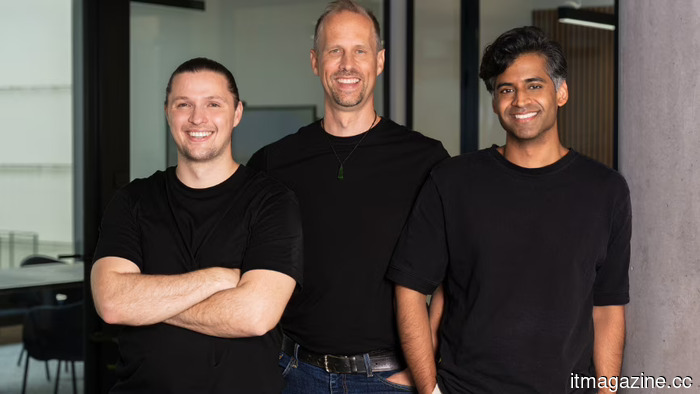 SAP's EUR 1 billion investment in AI focuses on data management and analytics rather than chatbots.
SAP has finalized its acquisition of Prior Labs, the creator of TabPFN, a foundational model for structured data. This move represents an investment of over EUR 1 billion in tabular AI and marks a unique success for Europe.
SAP's EUR 1 billion investment in AI focuses on data management and analytics rather than chatbots.
SAP has finalized its acquisition of Prior Labs, the creator of TabPFN, a foundational model for structured data. This move represents an investment of over EUR 1 billion in tabular AI and marks a unique success for Europe.
Kimi K3 unsettled the markets. The selloff in AI was already set in motion.
Moonshot's Kimi K3 contributed to a worldwide tech decline, but disappointing earnings and the conflict in Iran were significant factors as well. The main concern is US AI capital expenditures.