
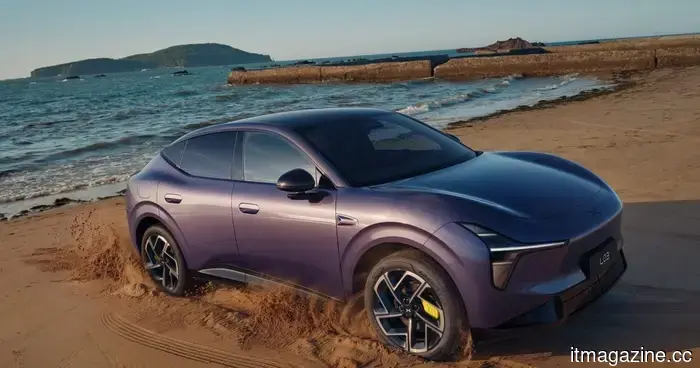
This stylish Chinese electric vehicle combines supercar aesthetics with three AI systems.
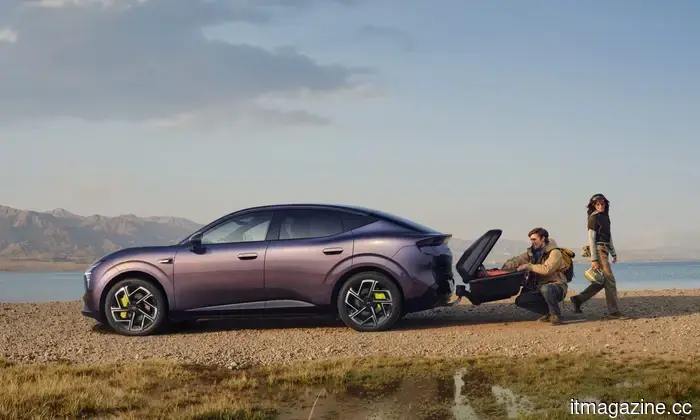
The Xpeng L03 is an AI supercomputer cleverly disguised as a trendy family SUV.
Xpeng's latest electric vehicle boasts sufficient processing power to lend some credibility to the term "smart car." The new Xpeng L03 was unveiled simultaneously in Europe and China on July 16, with the company showcasing it across 65 markets. It is available as a fully electric vehicle and as the L03 Power X range-extender model, marking Xpeng’s most internationally oriented offering to date. Details regarding specific prices and sales dates for various markets have yet to be revealed.
The L03 features a triple Turing AI-chip setup, a highlight of its specifications, providing up to 2,250 TOPS of computing power. This supports Xpeng’s next-generation NGP system, also called VLA 2.0, which is set for gradual rollout in Europe starting in 2027. Xpeng describes VLA 2.0 as a model based on real-world scenarios that can decode complex road conditions and select suitable driving reactions. It functions as a driver-assistance system, meaning drivers remain accountable for controlling and overseeing the vehicle.
Furthermore, the L03 will be the first Xpeng model to leverage a new collaboration with Google Maps. Xpeng claims to be the first automaker in the Asia-Pacific region to utilize the Google Maps Auto SDK in a vehicle. Navigation occurs directly through Xpeng’s interface, eliminating the need for users to access the Google Maps app or mirror their phones. The map data will also enhance the NGP and the more traditional XPILOT Assist system, much like Rivian’s integration of Google Maps, making navigation simpler.
Xpeng will offer the L03 in both battery-electric and extended-range variants, with the gasoline engine generating electricity for longer journeys. Official claims indicate the L03 can achieve up to 625 km, or 388 miles, of CLTC range for the fully electric model. In contrast, the Power X version is said to have a CLTC range of 1,330 km, or 826 miles, including 315 km of electric-only driving. Although international WLTP ratings are expected to be lower, no testing results have been released yet.
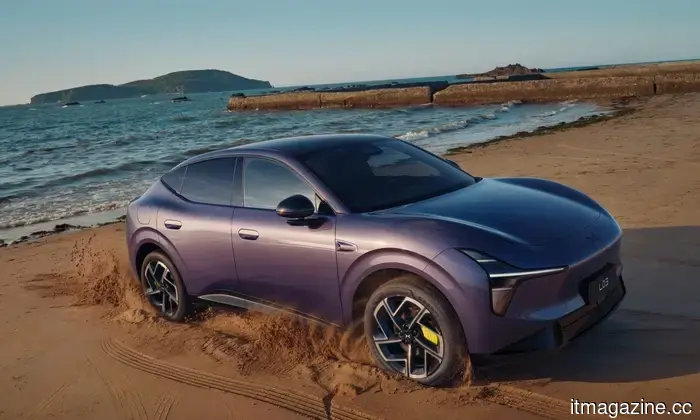
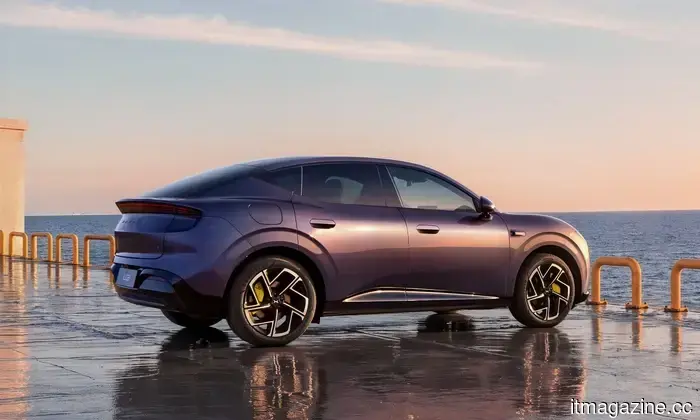
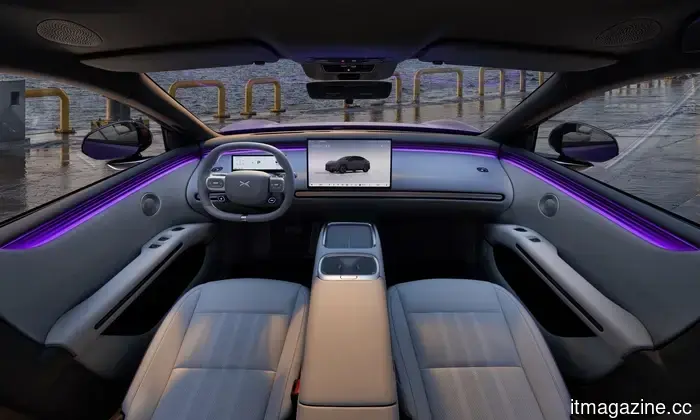
For charging, Xpeng promises a quick downtime of 19.1 minutes to go from 10% to 80%. The car was designed under former Ferrari design chief JuanMa Lopez, featuring a wide stance, a sloping roof, frameless doors, and a drag coefficient of 0.228 that gives it a sportier look than typical family crossovers. Inside, it boasts a large 15.6-inch display, ambient lighting, and a total of 37 storage compartments along with ample cargo space.
Xpeng began preorders in China in July, pricing the vehicle at 143,800 yuan, which is approximately $21,200; however, this figure provides limited insight for Europe and other export territories.
Vikhyaat Vivek is a technology journalist and reviewer with seven years of experience covering consumer hardware, focusing on…
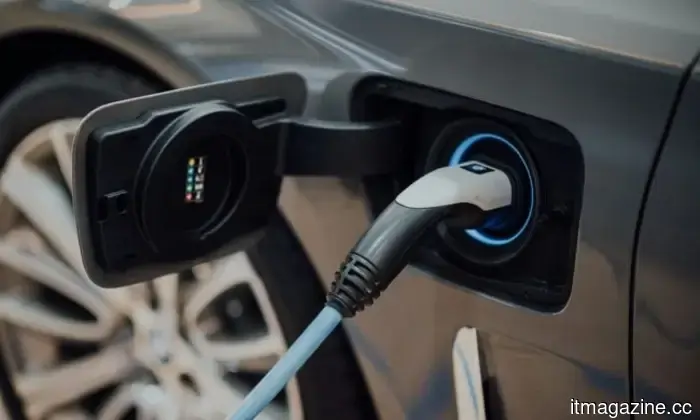
A new sodium battery has achieved impressive four-minute charging times, but don't expect it to hit the EV market just yet.
The breakthrough could enhance fast charging and battery longevity, but the study hasn’t shown these results with a production-sized battery pack.
A new sodium-metal battery has demonstrated charging performance that makes contemporary EVs seem extremely slow. In lab tests, the battery functioned at a 15C rate, allowing it to fully charge or discharge in about four minutes. However, this doesn’t imply that researchers connected an electric vehicle and watched it charge before the driver finished their coffee. The impressive results emerged from a small experimental cell utilizing a new quasi-solid electrolyte, whereas a larger pouch-cell prototype showed much less remarkable performance.
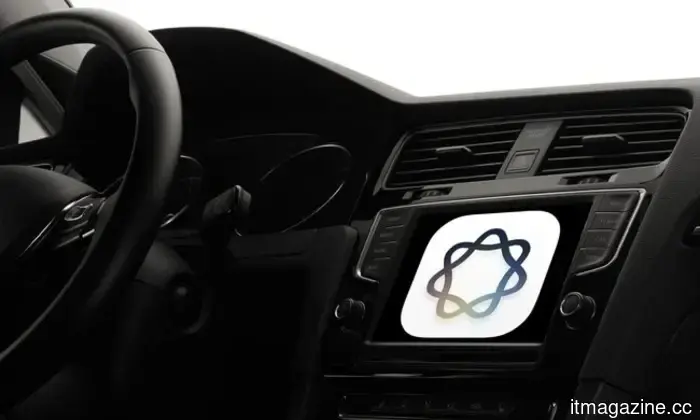
The Apple Car may be defunct, but it contributed to the foundation of Apple Intelligence.
A decade's work on a scrapped car project reportedly set the stage for Apple’s AI aspirations. According to Mark Gurman from Bloomberg, Apple’s abandoned autonomous vehicle initiative—which involved over ten years of effort and more than $10 billion before being halted in 2024—ultimately provided the technological basis for Apple Intelligence. In a twist of irony, one of Apple’s costliest failures might also represent one of its most significant long-term investments. The Apple Car compelled Apple to adopt a mindset more characteristic of an AI-focused company.
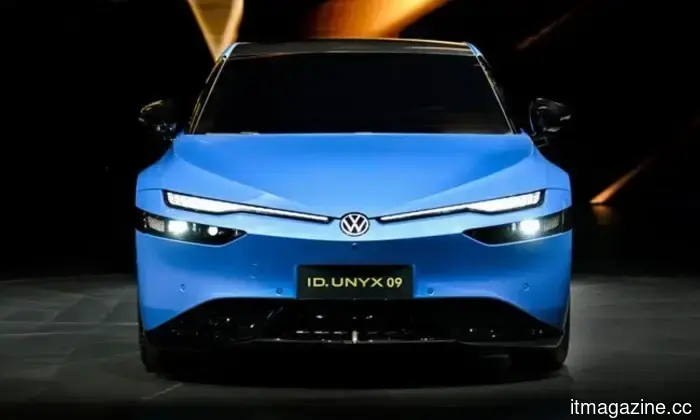
Volkswagen's ID. Unyx 09 has leaked, and it's the kind of EV I would like to see in the US.
VW's collaboration with Xpeng is yielding exactly what we hoped for.
I've been observing Volkswagen's China lineup quietly becoming more exciting over the past two years, but the ID. Unyx 09 might finally be the model that captures interest not only from Chinese consumers but also from the global market. Regulatory filings from China's Ministry of Industry and Information Technology have disclosed the full specifications of the forthcoming sedan ahead of its official announcement later this year

Other articles
 Microsoft's notable Patch Tuesday: AI detected the issues.
Microsoft's July Patch Tuesday addressed an unprecedented 622 vulnerabilities, attributing the increase to AI-assisted detection. There were two zero-day exploits that were already being actively used.
Microsoft's notable Patch Tuesday: AI detected the issues.
Microsoft's July Patch Tuesday addressed an unprecedented 622 vulnerabilities, attributing the increase to AI-assisted detection. There were two zero-day exploits that were already being actively used.
 A NeuroAI startup founded by a pioneer of Face ID has successfully raised $52 million.
Hemispheric, a NeuroAI startup co-founded by a pioneer in Face ID technology, has secured $52 million for Descartes, a model with 6 billion parameters that interprets brain activity non-invasively.
A NeuroAI startup founded by a pioneer of Face ID has successfully raised $52 million.
Hemispheric, a NeuroAI startup co-founded by a pioneer in Face ID technology, has secured $52 million for Descartes, a model with 6 billion parameters that interprets brain activity non-invasively.
 The UK abandons its proposal for VPN restrictions.
The UK has abandoned its plan to impose VPN restrictions following its own findings that children utilize VPNs primarily for privacy reasons rather than to circumvent age verification. The responsibility now lies with the platforms.
The UK abandons its proposal for VPN restrictions.
The UK has abandoned its plan to impose VPN restrictions following its own findings that children utilize VPNs primarily for privacy reasons rather than to circumvent age verification. The responsibility now lies with the platforms.
 Oracle is at the forefront of developing an air-gapped cloud for Japan.
Oracle is leading the effort to develop an air-gapped cloud for Japan that is disconnected from the internet, as the United States encourages Tokyo to defend against Chinese cyberattacks.
Oracle is at the forefront of developing an air-gapped cloud for Japan.
Oracle is leading the effort to develop an air-gapped cloud for Japan that is disconnected from the internet, as the United States encourages Tokyo to defend against Chinese cyberattacks.
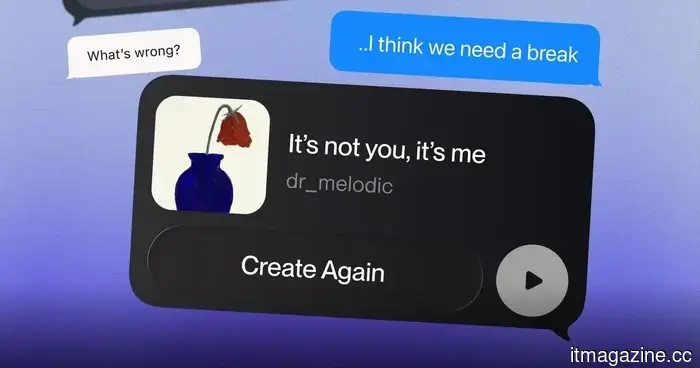 You can now create songs within your iMessage conversations.
Suno's newest iOS update allows users to create 30-second songs from text prompts, voice messages, and messages sent via iMessage.
You can now create songs within your iMessage conversations.
Suno's newest iOS update allows users to create 30-second songs from text prompts, voice messages, and messages sent via iMessage.
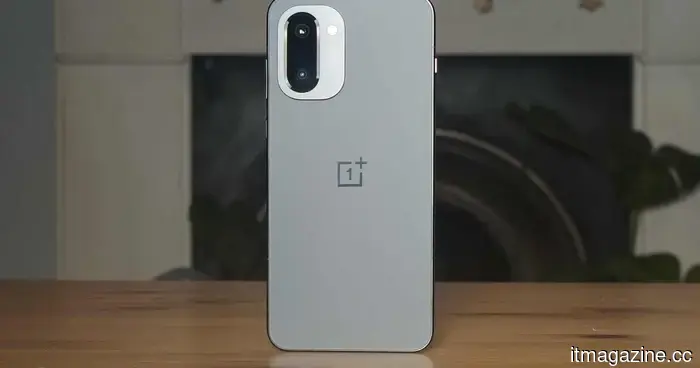 The North America and Europe division of OnePlus has officially concluded.
OnePlus has acknowledged what it had been denying for months. The company is withdrawing from North America and Europe, but existing customers will continue to receive software updates and warranty support.
The North America and Europe division of OnePlus has officially concluded.
OnePlus has acknowledged what it had been denying for months. The company is withdrawing from North America and Europe, but existing customers will continue to receive software updates and warranty support.
This stylish Chinese electric vehicle combines supercar aesthetics with three AI systems.
Xpeng’s internationally oriented L03 features three proprietary AI chips, seamless integration with Google Maps, two powertrain options, and ample towing and cargo capacity for reliable road trips.