

The UK abandons its proposal for VPN restrictions.
The UK was poised to impose restrictions on VPNs while tightening online regulations for children. However, it has since backed down, and this change is attributed to its own research. Online Safety Minister Kanishka Narayan stated clearly on the BBC, “We decided not to limit VPNs.” A VPN conceals a user’s actual location, which can be a method to bypass age verification.
This decision coincides with the UK’s new midnight social media curfew for 16 and 17-year-olds. Technology Secretary Liz Kendall confirmed this in a written statement, explaining that VPNs have “legitimate privacy and security uses.”
Findings from the research
The government had commissioned a study involving over 2,000 children, and the findings undermined the justification for a ban. Approximately a quarter of children aged 11 to 17 have utilized a VPN, primarily for privacy reasons rather than to violate rules, according to the report.
Only about 7% of children use a VPN to access age-restricted content. Many more simply provide false information; nearly half of those who circumvent age verification enter an incorrect date of birth. Thus, the VPN is not the main loophole.
Shifting responsibility to platforms
Instead of policing these tools, the government is shifting responsibility onto the platforms themselves. They are now required to take “robust steps” to identify and prevent underage users from bypassing age verification.
Ofcom is expected to report by October concerning what constitutes a reliable over-16 age check. The government has also asked Ofcom, along with the data regulator, to investigate how platforms can enhance detection of VPN usage. Furthermore, ministers will engage with VPN providers about voluntary actions and pledge to “keep this area under close review.”
A victory for privacy advocates
This decision marks a significant victory for digital rights organizations. A coalition of over 20 tech companies and activists, including Proton and Mozilla, urged ministers not to restrict VPNs. Mozilla cautioned that restricting access would lead to cybersecurity issues while failing to adequately protect children.
Not everyone is convinced that the overall plan is effective. The curfew and other feature restrictions can be disabled, leading critics to argue that this creates a clear vulnerability. As one analyst put it, the government is “leaving the side door open.”
This decision contrasts with the broader global trend. It coincides with the upcoming UK ban on under-16s using social media, while Australia's adolescent ban has been challenged by VPN workarounds, and New Zealand has recently dismissed its own restrictions. Even US courts are grappling with control over internet age verification. For now, the UK has opted for evidence-based action over a blanket prohibition.
Published July 16, 2026 - 2:56 pm UTC
Other articles
 The UK abandons its plan to impose restrictions on VPNs.
The UK has abandoned its plan to impose restrictions on VPNs after its research revealed that children use VPNs primarily for privacy reasons rather than to bypass age verification. The responsibility now falls on the platforms.
The UK abandons its plan to impose restrictions on VPNs.
The UK has abandoned its plan to impose restrictions on VPNs after its research revealed that children use VPNs primarily for privacy reasons rather than to bypass age verification. The responsibility now falls on the platforms.
 Microsoft's notable Patch Tuesday: AI identified the issues.
In its July Patch Tuesday, Microsoft addressed a record total of 622 vulnerabilities, attributing the increase to AI-driven detection methods. Two of these were zero-day vulnerabilities that were already being exploited.
Microsoft's notable Patch Tuesday: AI identified the issues.
In its July Patch Tuesday, Microsoft addressed a record total of 622 vulnerabilities, attributing the increase to AI-driven detection methods. Two of these were zero-day vulnerabilities that were already being exploited.
 Microsoft restructures its security division focusing on AI.
Microsoft is revamping its security division focused on AI and laying off several hundred employees, with the goal of regaining the budget currently directed towards OpenAI and Anthropic.
Microsoft restructures its security division focusing on AI.
Microsoft is revamping its security division focused on AI and laying off several hundred employees, with the goal of regaining the budget currently directed towards OpenAI and Anthropic.
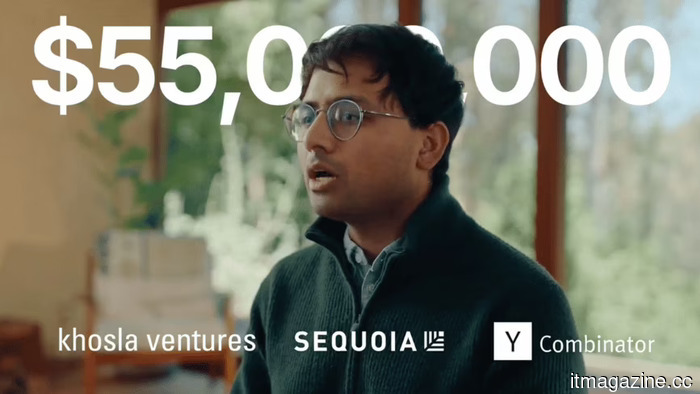 Bunkerhill Health secures $55 million for healthcare AI technology.
Bunkerhill Health secured $25M in a Series B round led by Khosla Ventures, increasing its total funding to $55M, to implement healthcare AI agents in hospitals.
Bunkerhill Health secures $55 million for healthcare AI technology.
Bunkerhill Health secured $25M in a Series B round led by Khosla Ventures, increasing its total funding to $55M, to implement healthcare AI agents in hospitals.
 Microsoft restructures its security division with a focus on AI.
Microsoft is restructuring its security division with a focus on AI and reducing its workforce by several hundred positions, with the goal of reclaiming the investment that is currently directed towards OpenAI and Anthropic.
Microsoft restructures its security division with a focus on AI.
Microsoft is restructuring its security division with a focus on AI and reducing its workforce by several hundred positions, with the goal of reclaiming the investment that is currently directed towards OpenAI and Anthropic.
 As Sony concludes its support for PS3 games, RPCS3 has managed to preserve thousands of them on PC.
RPCS3 is now capable of running 75% of the monitored PS3 library on PC, achieving this milestone as Sony is set to shut down the console’s digital store and cease new physical game releases.
As Sony concludes its support for PS3 games, RPCS3 has managed to preserve thousands of them on PC.
RPCS3 is now capable of running 75% of the monitored PS3 library on PC, achieving this milestone as Sony is set to shut down the console’s digital store and cease new physical game releases.
The UK abandons its proposal for VPN restrictions.
The UK has abandoned its plan to impose VPN restrictions following its own findings that children utilize VPNs primarily for privacy reasons rather than to circumvent age verification. The responsibility now lies with the platforms.