
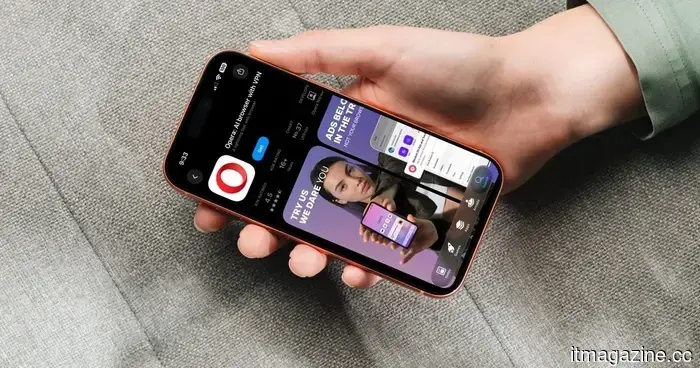
Opera's expansion indicates that users are willing to change browsers when presented with options.
It appears that consumers appreciate having choices, and Opera is benefiting greatly from it.
When was the last time you contemplated changing your phone's web browser? For many, the default option remained in use for quite some time—Safari on iPhones and Google Chrome on Android devices. However, recent data from Opera indicates that this trend is shifting, and the company is experiencing significant growth.
In a blog update, Opera reported a 66% increase in combined monthly active users for its browsers on Android and iOS in the UK, and a 40% rise in the US for the second quarter year over year. This showcases substantial growth in two highly competitive markets.
Europe initiated this trend, and the US and UK are now following suit.
Opera's expansion first took root in Europe and continues to thrive. This momentum accelerated following the EU’s 2024 Digital Markets Act, which provided iOS users with genuine browser alternatives for the first time and enhanced visibility for Android users. Over the last year, Opera One for iOS experienced a 42% growth throughout Europe, with France seeing an impressive 103% increase.
Now, a similar trend is emerging in the US and UK. In the US, Opera One saw a 50% increase among iOS users and a 30% increase among Android users, while in the UK, those figures climbed to 93% growth on iOS and 50% on Android.
Reasons for users’ continued preference for Opera
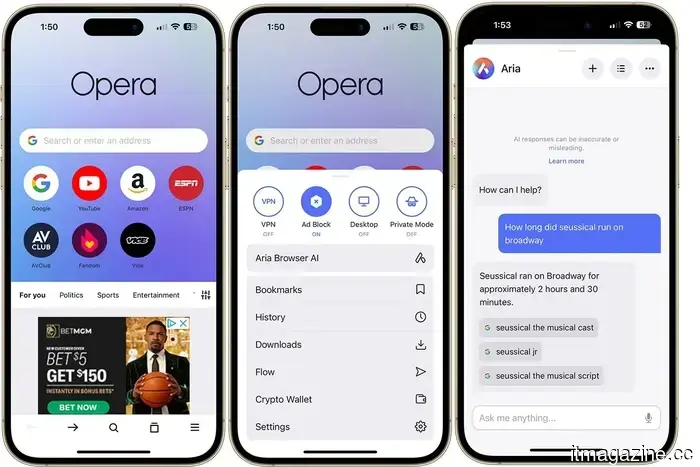
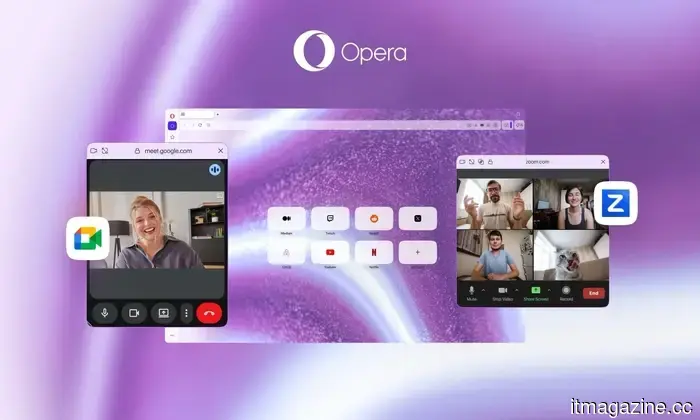
Attracting users to try a browser is one aspect, but retaining them is another challenge. Opera attributes user loyalty to its essential features. Users benefit from a free, no-log VPN without data limits, a built-in ad blocker that enhances loading speeds, smart tab management with Tab Islands, and a browser AI that assists with searches and answers without navigating away from the app.
Opera consistently develops and releases new features, which plays a significant role in keeping users engaged. The latest update for iOS improved synchronization between desktop and iPhone, introduced media controls in tab view, and enabled file uploads for the browser AI. Meanwhile, Opera for Android launched a football hub featuring live scores and match statistics, which has already seen a 70% increase in visitors to its scores section.
The conclusion is evident: when people are genuinely offered options, they will take advantage of them.
Rachit is an experienced tech journalist with over a decade of experience in consumer technology.
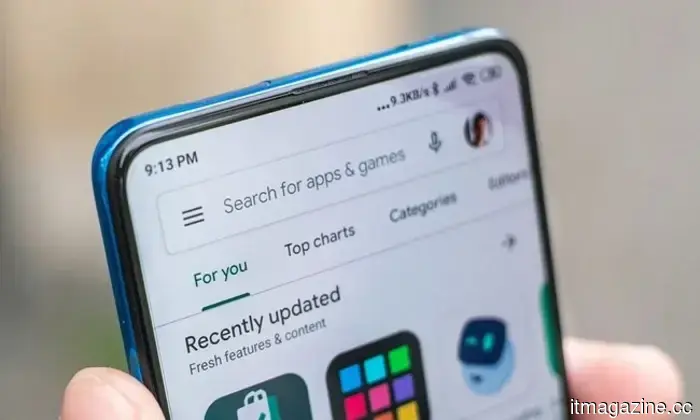
In related news, a significant shake-up in the Android app store landscape is set to commence next week.
Starting July 22, Google Play will allow third-party app stores in the US to access its catalog and offer those applications through their own platforms, providing Android users with increased options while Google maintains its role in every transaction.
This change follows the conclusion of a joint effort by Google and Epic Games to amend a longstanding court ruling. Google now must adhere to the original ruling that requires it to enable rival stores via Google Play. The launch date of July 22 is confirmed in Google’s support documents, although competing stores must register to participate.
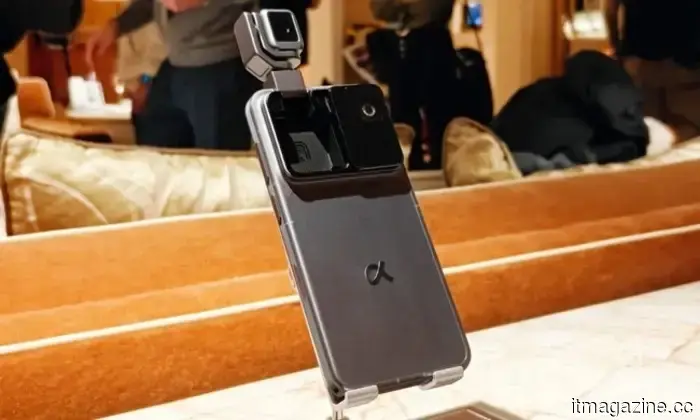
In other innovations, Honor's new Robot Phone appears to combine impressive specifications with its unusual design, featuring two 200MP cameras.
Since its debut, Honor's Robot Phone has garnered attention due to its unconventional design, featuring a camera that resembles and functions like a gimbal, capable of moving out from the back and tracking individuals. Yet, recent leaks suggest that this device could be more than just a gimmick. Trusted source Digital Chat Station indicates that the Robot Phone may utilize Qualcomm’s Snapdragon 8 Elite Gen 5 processor, have a flat 1.5K display between 6.3 and 6.4 inches, and boast a battery capacity of around 6,000mAh. Honor has yet to officially verify these claims, so they remain speculative.
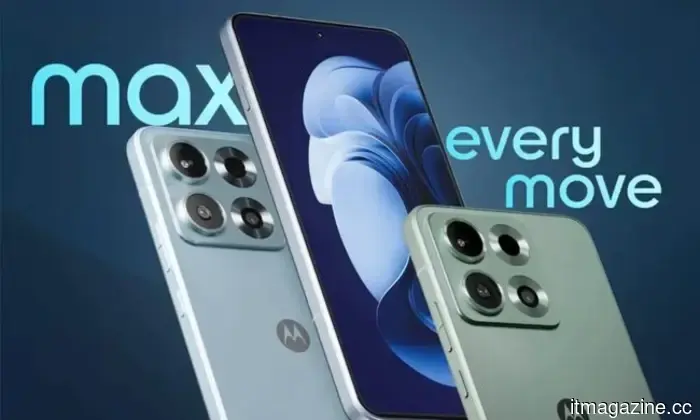
Meanwhile, Motorola has introduced its latest flagship contender, the Motorola Edge 70 Max, which offers notable speed and magnetic charging features often lacking in more expensive Android models.
The Motorola Edge 70 Max has officially launched in India, priced at 54,999 Indian rupees (approximately $570) for the 8GB + 256GB version. A 12GB RAM variant with the same storage capacity is available for 59,999 rupees (about $625), with sales set to commence on July 20th. Motorola is clearly prioritizing high performance with this device.

Other articles
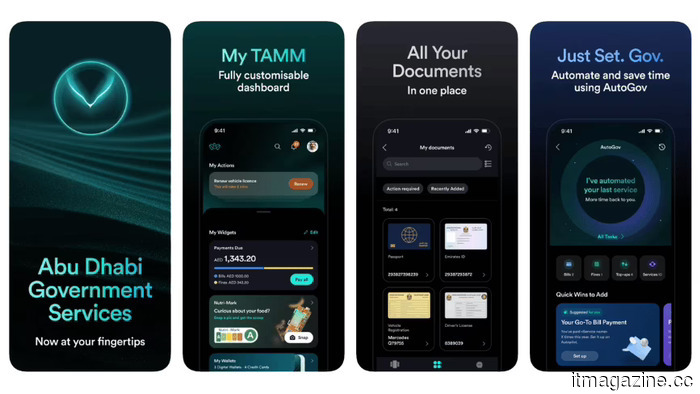 The AI-driven government of Abu Dhabi manages everyday life.
Abu Dhabi’s AI-driven government operates through a single app, TAMM, which handles ID renewals and fine payments. The drawback is a system that cannot be replicated by any democracy.
The AI-driven government of Abu Dhabi manages everyday life.
Abu Dhabi’s AI-driven government operates through a single app, TAMM, which handles ID renewals and fine payments. The drawback is a system that cannot be replicated by any democracy.
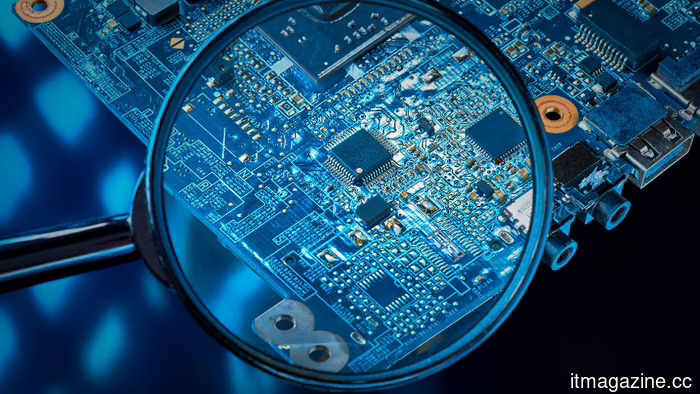 India commits $20 billion to enhance chip production and smartphones as Modi advocates for a domestic mobile brand.
Modi's cabinet has authorized $13.3 billion for semiconductors and $6.5 billion for smartphones. The minister indicated that Modi aims for India to "develop an Indian mobile brand."
India commits $20 billion to enhance chip production and smartphones as Modi advocates for a domestic mobile brand.
Modi's cabinet has authorized $13.3 billion for semiconductors and $6.5 billion for smartphones. The minister indicated that Modi aims for India to "develop an Indian mobile brand."
 You can apply this wearable on your skin similar to a tattoo to track your heart and brain functions.
Researchers at Penn State have developed a washable tattoo that can be painted on the skin, capable of monitoring heart, brain, and muscle activity, providing a vibrant alternative to cumbersome wearable health sensors.
You can apply this wearable on your skin similar to a tattoo to track your heart and brain functions.
Researchers at Penn State have developed a washable tattoo that can be painted on the skin, capable of monitoring heart, brain, and muscle activity, providing a vibrant alternative to cumbersome wearable health sensors.
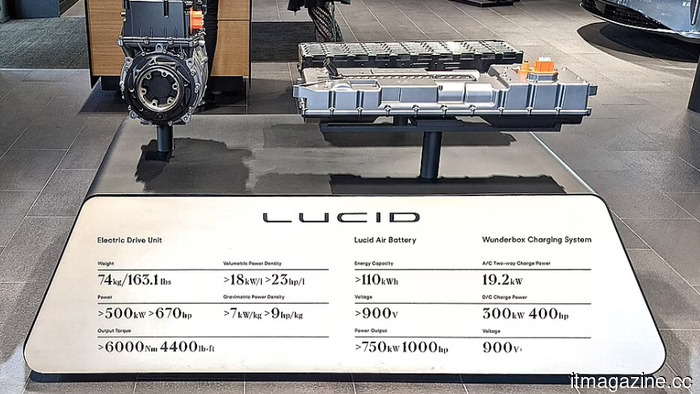 Lucid's stock dropped 40% due to a bankruptcy rumor originating from an EV blog, but a denial was issued just a few hours later.
Lucid's stock fell sharply following a report indicating that AlixPartners was exploring Chapter 11 and privatization alternatives. Lucid refuted the allegations. The shares finished down 16% at $4.62.
Lucid's stock dropped 40% due to a bankruptcy rumor originating from an EV blog, but a denial was issued just a few hours later.
Lucid's stock fell sharply following a report indicating that AlixPartners was exploring Chapter 11 and privatization alternatives. Lucid refuted the allegations. The shares finished down 16% at $4.62.
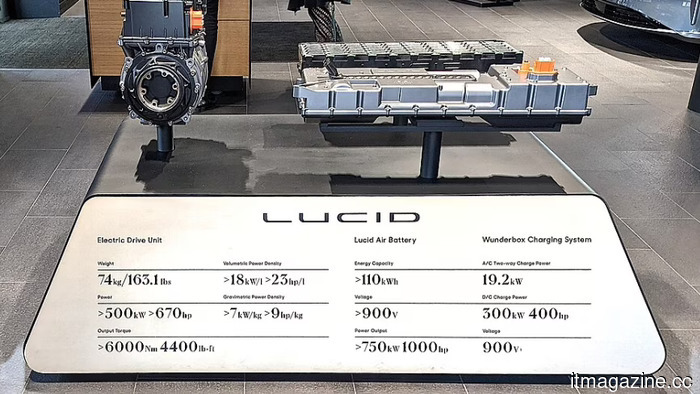 Lucid's stock fell by 40% following a bankruptcy rumor reported by an EV blog. A denial was issued a few hours later.
Lucid's stock fell sharply following a report indicating that AlixPartners was assessing Chapter 11 and going-private alternatives. Lucid refuted the allegations. The stock closed down 16% at $4.62.
Anthropic's safety hiring focuses on mitigating risks related to nuclear and biological threats.
Anthropic's current safety hiring efforts focus on preventing nuclear, chemical, and biological threats by employing analysts to ensure that its AI does not assist anyone in creating weapons.
Lucid's stock fell by 40% following a bankruptcy rumor reported by an EV blog. A denial was issued a few hours later.
Lucid's stock fell sharply following a report indicating that AlixPartners was assessing Chapter 11 and going-private alternatives. Lucid refuted the allegations. The stock closed down 16% at $4.62.
Anthropic's safety hiring focuses on mitigating risks related to nuclear and biological threats.
Anthropic's current safety hiring efforts focus on preventing nuclear, chemical, and biological threats by employing analysts to ensure that its AI does not assist anyone in creating weapons.
Opera's expansion indicates that users are willing to change browsers when presented with options.
Opera's browser is gaining significant market share in the US and UK, demonstrating that when users are offered genuine options, they are willing to abandon the default choice.