
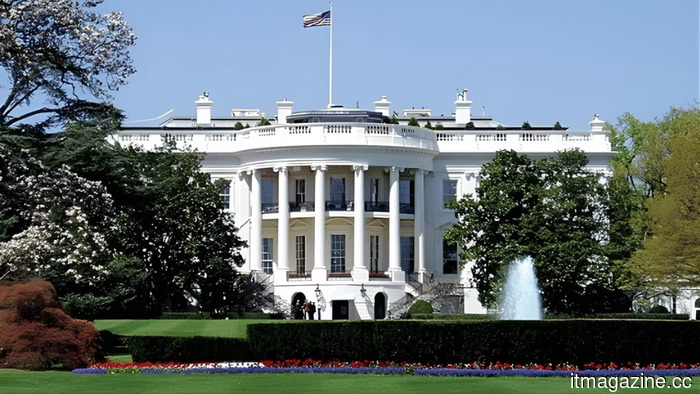
The next AI energy commitment from the White House focuses on utility companies.
The White House is organizing an event anticipated within weeks, where electric utilities, companies constructing and managing data centers for major tech firms, and governors of states with significant infrastructure expansions will be urged to commit that these developments will not be reflected in household electricity bills. Three individuals knowledgeable about the plans shared insights with Reuters. The guest list is still in the process of being finalized, and, like before, the commitment will be voluntary.
This initiative builds upon a document the administration already possesses. In March, companies like Amazon, Google, Meta, Microsoft, OpenAI, Oracle, and xAI signed the Ratepayer Protection Pledge at a White House event, agreeing to cover the expenses for the generation and grid upgrades necessary for their projects instead of transferring the costs to current customers, even for reserved capacity that remains unused.
“A White House official indicated that the success of President Trump’s Ratepayer Protection Pledge has prompted additional stakeholders to express their interest in signing it,” which is one interpretation of the current situation. Another perspective suggests that the initial pledge did not include the appropriate companies. Hyperscalers do not determine retail rates; that responsibility falls to utilities and state regulators, and if the aim is to keep bills stable, their endorsements are crucial.
Involving governors—who appoint or supervise the public utility commissions that sanction rate increases—indicates that the administration recognizes where the decision-making power truly lies. The March pledge asked signatories to develop, procure, or produce the energy their data centers require, negotiate distinct rate structures with utilities and state authorities, cover costs for reserved capacity regardless of usage, and sell excess generation back to the grid. While it reads well as an engineering guideline, it comes off more like a press release in a legal context.
The pledge remains non-binding and voluntary, with the White House lacking authority over electricity markets. Any agreements made by utilities will serve as expressions of intent and will be submitted alongside rate cases that will be debated on their own merits before commissioners who are not obligated to honor agreements made in Washington.
The pressure driving this initiative is very real. Regulators, consumer advocates, and lawmakers in various states have cautioned that household consumers might end up subsidizing grid enhancements meant for some of the largest firms globally. American utilities are projected to invest around $1.4 trillion by 2030 to meet AI demand, potentially placing a significant financial burden on residential customers. Industrial users are already experiencing this; manufacturers in the Rust Belt have seen capacity charges rise sharply as data centers compete for the same energy supply.
Congress is also taking action. The House has advanced a bill that aims to shift data center energy costs back onto the companies responsible for them, aligning with the goals of the pledge but through legislation rather than a ceremonial signing.
The administration contends that the U.S. can only succeed in the AI competition by swiftly developing generation and transmission capabilities, and insists that consumers should not bear the cost. However, these two commitments do not seem easily reconcilable, which is precisely why the pledge exists: it serves as a means for the government to guarantee both outcomes simultaneously without having to make a choice. Meanwhile, federal energy regulators have been accelerating the approval of grid connections for data centers, facilitating the smooth expansion intended by the pledge.
Electricity pricing is a compelling issue that connects with voters directly through their mailboxes. An administration that has invested significant political capital in AI infrastructure is now working to ensure the monthly bills do not become a point of contention against it. No specific date has been announced, and the White House has yet to disclose which utilities have confirmed their attendance. The event and the size of the guest list will reflect how many utilities believe they can comfortably make voluntary commitments regarding future rates.
Other articles
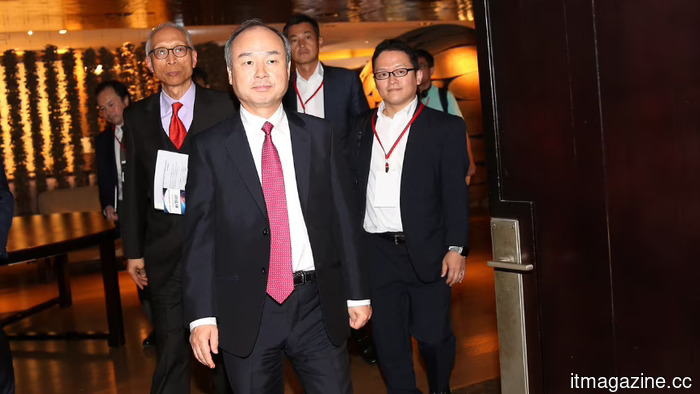 Masayoshi Son claims that AI will incur costs of $5 trillion annually by 2040, asserting that discussions about a bubble are ridiculous.
Masayoshi Son stated that AI will require an annual investment of $5 trillion by 2040 and dismissed concerns about a bubble as ludicrous during SoftBank's annual conference in Tokyo.
Masayoshi Son claims that AI will incur costs of $5 trillion annually by 2040, asserting that discussions about a bubble are ridiculous.
Masayoshi Son stated that AI will require an annual investment of $5 trillion by 2040 and dismissed concerns about a bubble as ludicrous during SoftBank's annual conference in Tokyo.
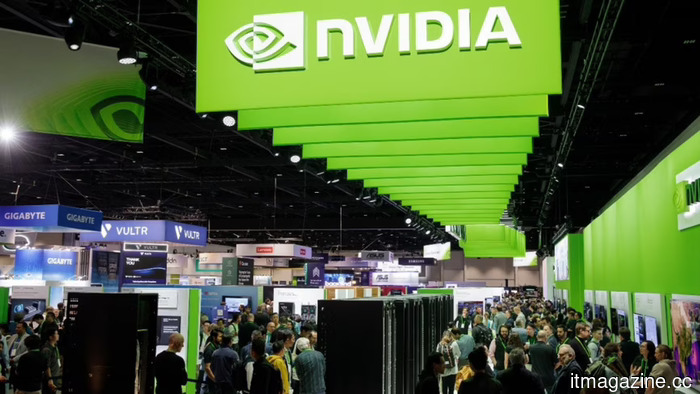 Nvidia creates a white list: over half of its Asian clients are excluded from it.
Nvidia has significantly reduced its roster of Asian clients authorized to purchase AI chips, implementing a white list and stricter screening processes in Singapore, Malaysia, and Japan.
Nvidia creates a white list: over half of its Asian clients are excluded from it.
Nvidia has significantly reduced its roster of Asian clients authorized to purchase AI chips, implementing a white list and stricter screening processes in Singapore, Malaysia, and Japan.
 Canada's banking regulator issued a warning to banks mentioning Claude Mythos.
An email from April, made public through access-to-information regulations, reveals that Canada’s OSFI cautioned bank technology leaders regarding Anthropic’s Claude Mythos.
Canada's banking regulator issued a warning to banks mentioning Claude Mythos.
An email from April, made public through access-to-information regulations, reveals that Canada’s OSFI cautioned bank technology leaders regarding Anthropic’s Claude Mythos.
 The upcoming AI energy commitment from the White House focuses on utility companies.
The White House intends to request that utilities, data center operators, and governors commit to ensuring that the demand for AI power will not increase residential electricity costs.
The upcoming AI energy commitment from the White House focuses on utility companies.
The White House intends to request that utilities, data center operators, and governors commit to ensuring that the demand for AI power will not increase residential electricity costs.
 Thomson Reuters is laying off engineers and replacing them with those who are native to AI.
Thomson Reuters is reducing engineering positions as it implements AI in its legal and tax products. It has indicated that the number is small, with staff being informed of up to 500 roles affected.
Thomson Reuters is laying off engineers and replacing them with those who are native to AI.
Thomson Reuters is reducing engineering positions as it implements AI in its legal and tax products. It has indicated that the number is small, with staff being informed of up to 500 roles affected.
 The Seoul court has put a hold on the decision that designated Coupang's founder as its controlling individual.
The Seoul High Court has put a halt to the FTC’s classification of Coupang founder Bom Kim as the controlling figure of the group while his legal case against the regulator is ongoing.
The Seoul court has put a hold on the decision that designated Coupang's founder as its controlling individual.
The Seoul High Court has put a halt to the FTC’s classification of Coupang founder Bom Kim as the controlling figure of the group while his legal case against the regulator is ongoing.
The next AI energy commitment from the White House focuses on utility companies.
The White House intends to request utilities, data center operators, and governors to commit to ensuring that the demand for AI power does not increase residential electricity costs.