
I invested in a more promising future, but my online life incurs monthly subscription fees.
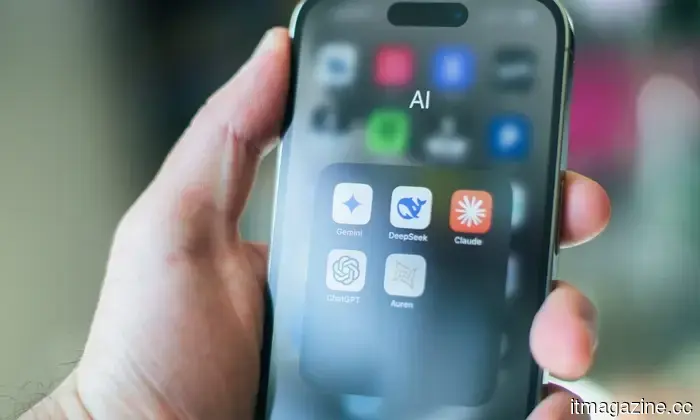
Before I’ve truly begun my day, numerous services have already been activated. Spotify or YouTube Premium provides the music, Google One ensures my files are accessible, and an AI subscription is open in another tab to assist in boosting my productivity.
Most of these expenses are justified. They save time, minimize hassle, and keep the day progressing smoothly. I hardly think about them until I consider what would stop functioning if one payment were to fail.
I invested in a promising future, which came with ongoing fees.
Convenience became a framework
These costs accompany me throughout the day. Google One contains years' worth of photos and documents. ChatGPT Plus and Claude Pro are integral to my research, idea organization, and problem-solving. Grab Premium, similar to Uber One or Lyft Pink locally, occasionally saves me enough on rides to warrant its continued subscription.
The monthly payment structure works logically for much of this. Cloud storage requires servers. AI tools demand costly computing resources. Streaming services need to pay for content and distribution. Transportation subscriptions can yield substantial savings with frequent use.
Aerps / Unsplash
However, every minor convenience becomes increasingly difficult to remove as my daily routine becomes built around it. Canceling one can feel less like shedding a luxury and more like taking away a support that my day has come to rely on.
This didn’t happen through one massive, detrimental purchase. It accumulated through $10 here, $15 there, and free trials I forgot to cancel, which then integrated into my life.
Ownership now has stipulations
The situation feels more peculiar when it involves something I’ve already purchased. My Tapo camera has local recording capabilities, but cloud history and enhanced notifications require Tapo Care. If I cancel that plan, the camera remains, but the experience diminishes.
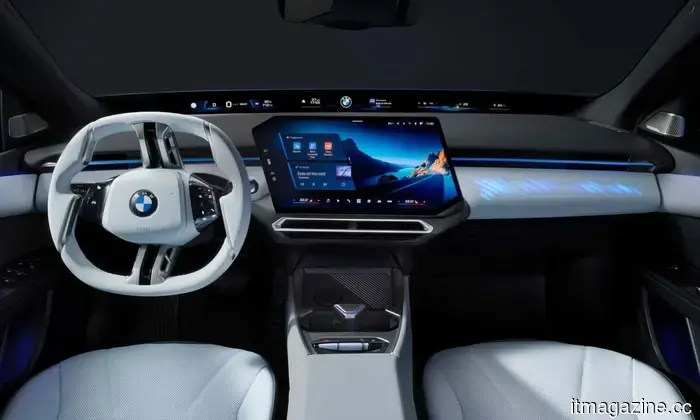
BMW’s heated-seat subscription became a prominent example of this concept. HP Instant Ink presents another variation. If you cancel the service, subscription cartridges may cease to function even when they still contain ink.
BMW / InsideEVs
Understanding the need to pay for storage, content, or operational infrastructure is straightforward. However, paying repeatedly to access a feature already embedded in a camera, printer, or car parked outside feels more difficult to accept.
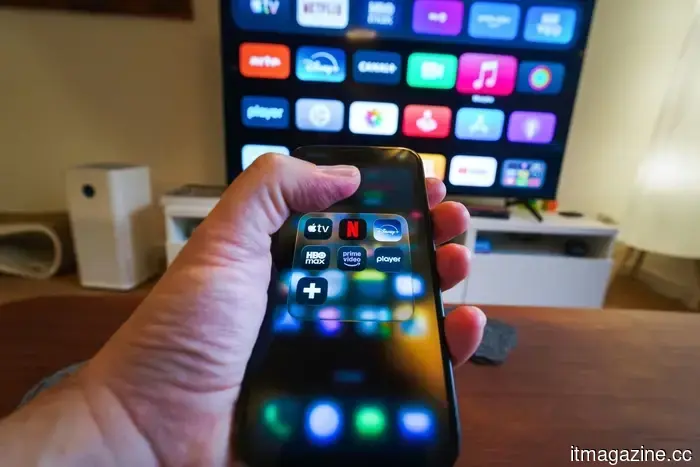
At night, I can view the camera feed, open a streaming platform, and switch between several services without a second thought. While the hardware is physically present in my home, the experience still relies on a group of companies recognizing my account.
Heaven forbid I can only afford the hardware.
The future comes with maintenance fees
Two individuals can purchase the same product and end up with different experiences. One retains cloud history, remote controls, or additional software features. The other owns identical hardware but loses whatever functionality the subsequent monthly charge was maintaining.
This situation gradually affects the entertainment sector as well. YouTube Premium’s individual plan in the U.S. recently increased to $15.99 a month, while Apple TV+ reached $12.99 in 2025 after debuting at $4.99. Netflix and HBO Max have also raised their rates. Each increase is typically manageable, particularly after the service has become part of a routine.
Jakub Zerdzicki / Pexels
That’s likely why every new subscription touted as “a great deal” raises my skepticism. The price often appears most attractive before the service becomes challenging to discontinue. Eventually, I question whether "great deal" was more of a caution than a bargain.
Perhaps we will eventually attain Star Trek's post-scarcity world, wherein abundance eliminates the need for subscriptions.
Unfortunately, that remains in the realm of science fiction. Instead, we are faced with something grim, genuinely worrying, truly dystopian, and, in some ways, genuinely humorous. As humanity approaches a critical juncture, someone still found a way to place desirable features behind a paywall.
All of this crosses my mind before my morning coffee. Should I cancel a subscription?
Other articles
 I invested a lot of money in a Copilot+ PC, yet I've hardly used Microsoft's AI at all.
My Copilot+ PC is equipped with dedicated AI hardware and features its own Copilot key, but Microsoft's assistant has only marginally integrated into my daily routine.
I invested a lot of money in a Copilot+ PC, yet I've hardly used Microsoft's AI at all.
My Copilot+ PC is equipped with dedicated AI hardware and features its own Copilot key, but Microsoft's assistant has only marginally integrated into my daily routine.
 Netflix might introduce channels that are always available. That’s essentially the same as cable.
Netflix is said to have explored the idea of 24/7 genre channels and the option to bill competitor subscriptions via its own app, effectively reviving the cable model it previously dismantled.
Netflix might introduce channels that are always available. That’s essentially the same as cable.
Netflix is said to have explored the idea of 24/7 genre channels and the option to bill competitor subscriptions via its own app, effectively reviving the cable model it previously dismantled.
 The remake of Ubisoft's Black Flag is a sign of a larger issue, rather than a well-thought-out plan.
Assassin's Creed Black Flag Resynced is a solid remake. It was created because Ubisoft terminated six games and requires a product to generate revenue.
The remake of Ubisoft's Black Flag is a sign of a larger issue, rather than a well-thought-out plan.
Assassin's Creed Black Flag Resynced is a solid remake. It was created because Ubisoft terminated six games and requires a product to generate revenue.
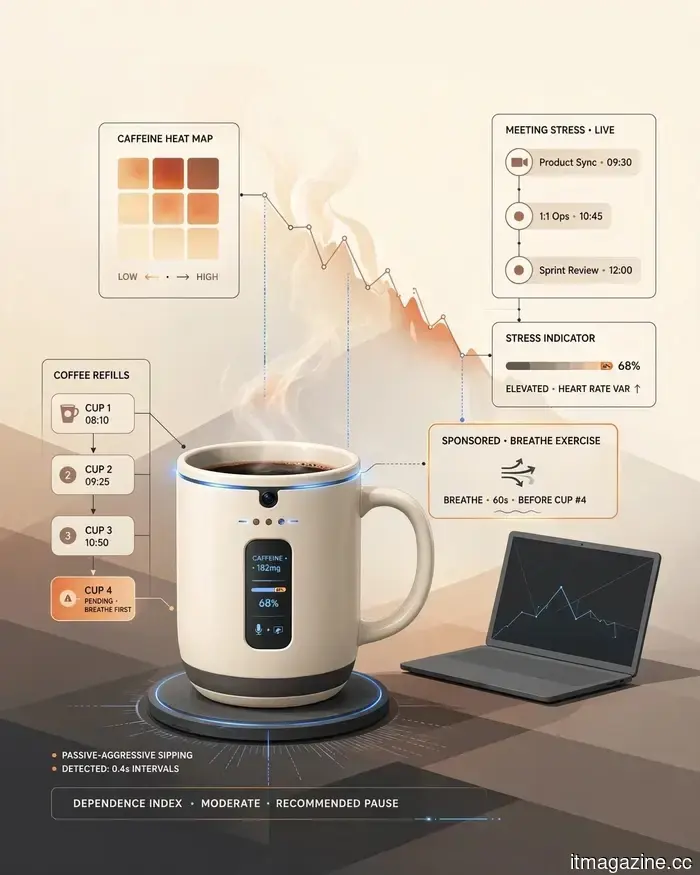 I attempted to create a parody of the most ridiculous AI products, but the tech industry outdid me.
I attempted to create AI devices that were too ridiculous for the tech sector. However, I soon discovered that toothbrushes, litter boxes, headphones, and various appliances had already surpassed my ideas.
I attempted to create a parody of the most ridiculous AI products, but the tech industry outdid me.
I attempted to create AI devices that were too ridiculous for the tech sector. However, I soon discovered that toothbrushes, litter boxes, headphones, and various appliances had already surpassed my ideas.
 I invested a lot in a Copilot+ PC, yet I hardly ever use Microsoft's AI.
Although my Copilot+ PC is equipped with specialized AI hardware and comes with its own Copilot key, Microsoft's assistant has not significantly integrated into my everyday tasks.
I invested a lot in a Copilot+ PC, yet I hardly ever use Microsoft's AI.
Although my Copilot+ PC is equipped with specialized AI hardware and comes with its own Copilot key, Microsoft's assistant has not significantly integrated into my everyday tasks.
 I invested in a more promising future, yet my online existence comes with monthly subscription fees.
Contemporary life operates on subscriptions that are frequently beneficial, affordable, and becoming harder to live without. The future has come, but it seems we'll have to continue making monthly payments to access it.
I invested in a more promising future, yet my online existence comes with monthly subscription fees.
Contemporary life operates on subscriptions that are frequently beneficial, affordable, and becoming harder to live without. The future has come, but it seems we'll have to continue making monthly payments to access it.
I invested in a more promising future, but my online life incurs monthly subscription fees.
Contemporary life operates on subscriptions that tend to be helpful, affordable, and progressively essential. The future has come, but it seems we must continue to pay monthly to access it.