
Apple is filing a major lawsuit against OpenAI for allegedly stealing trade secrets.
For the last two years, Apple and OpenAI have been portrayed as close AI collaborators. Key Apple Intelligence features are powered by ChatGPT, Siri can transfer complex queries to OpenAI, and together they have enabled generative AI on millions of Apple devices. However, the nature of their partnership has taken a significant turn.
What is Apple accusing OpenAI of?
Apple has initiated a lawsuit against OpenAI, claiming that the AI firm has engaged in a coordinated effort to steal confidential trade secrets and unreleased product details through former Apple employees as it develops its own hardware business. In the lawsuit, Apple asserts that OpenAI prompted its employees to disclose confidential documents, engineering designs, product components, technical specifications, and other proprietary information related to undisclosed devices.
The company further contends that “at every level, from technical staff members to its chief hardware officer, and in collaboration with business partners, OpenAI has misappropriated Apple’s trade secrets and confidential data.”
The lawsuit explicitly names Tang Tan, OpenAI’s Chief Hardware Officer and a former Vice President of Product Design at Apple, who previously managed the development of the iPhone, Apple Watch, AirPods, and numerous other hardware products. Apple also identifies former iPhone hardware engineer Chang Liu, alleging he downloaded confidential files containing information about unreleased products, engineering presentations, technical specifications, and proprietary project data before transitioning to OpenAI.
Apple is seeking more than just monetary compensation; it wants OpenAI to cease using any allegedly misappropriated information, destroy confidential materials, and redesign any future hardware products that utilize Apple’s proprietary technology. According to Bloomberg, Apple claims it sought to resolve the matter privately prior to filing the lawsuit but did not receive any response.
The lawsuit outlines a series of allegations made by Apple against OpenAI.
Why is this lawsuit significant?
In addition to the allegations, this lawsuit represents a significant change in the relationship between Apple and OpenAI. Apple's difficulties in artificial intelligence have been well-documented in recent years, and it was through its collaboration with OpenAI that Apple successfully launched Apple Intelligence, integrating ChatGPT into Siri and other AI-driven experiences to better compete with rivals like Google’s Gemini and Microsoft Copilot. Currently, ChatGPT remains the sole frontier AI model integrated across Apple’s AI ecosystem, which includes the iPhone, iPad, Mac, and Apple Watch.
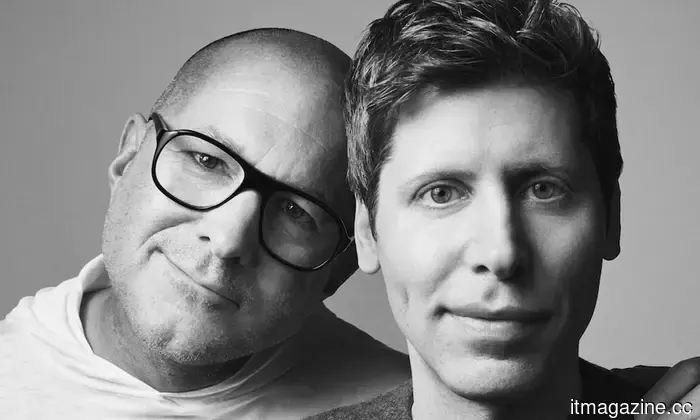
As for OpenAI's hardware goals, the company recently made a deal with renowned Apple designer Jony Ive, whose creations have defined iconic products like the iPhone, iPod, and MacBook. Through its acquisition of io Products, it's widely believed that OpenAI is developing AI-first consumer hardware, with speculation suggesting wearable devices that will closely integrate ChatGPT, similar in concept to the unsuccessful Humane AI Pin, but with a significantly stronger AI foundation. While OpenAI has not disclosed its launch plans, reports indicate that the first device might be available as early as next year.
This timing is particularly notable. While Apple accuses OpenAI of pursuing its hardware ambitions with confidential information, both companies continue to collaborate on consumer-facing AI features. Coupled with OpenAI's acquisition of Jony Ive’s startup and the appointment of former Apple hardware chief Tang Tan to lead its hardware initiatives, this lawsuit marks the latest development in the competition to create the next generation of AI devices.
Other articles
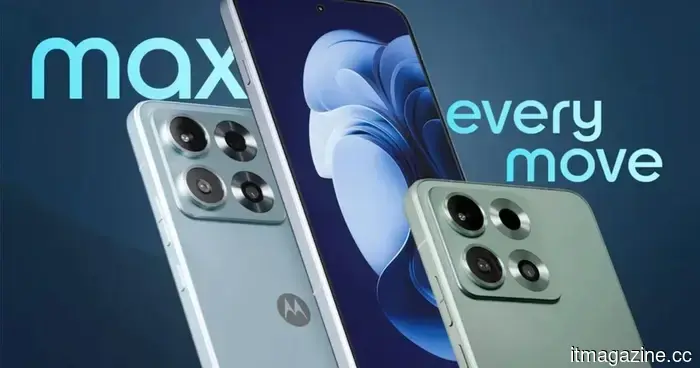 The upcoming "flagship killer" is being developed by Motorola, but it might not arrive in the US in the near future.
With a 7,100mAh battery, magnetic charging similar to MagSafe, and a 7,000-nit QHD+ LTPO display, it boasts remarkable features, yet it's truly inaccessible to buyers in the US.
The upcoming "flagship killer" is being developed by Motorola, but it might not arrive in the US in the near future.
With a 7,100mAh battery, magnetic charging similar to MagSafe, and a 7,000-nit QHD+ LTPO display, it boasts remarkable features, yet it's truly inaccessible to buyers in the US.
 Claude Code now has the ability to browse the web without needing to open Chrome.
Anthropic has incorporated an in-app browser into Claude Code on desktop, enabling the AI coding assistant to visit websites, access documentation, and engage with web pages right within the application.
Claude Code now has the ability to browse the web without needing to open Chrome.
Anthropic has incorporated an in-app browser into Claude Code on desktop, enabling the AI coding assistant to visit websites, access documentation, and engage with web pages right within the application.
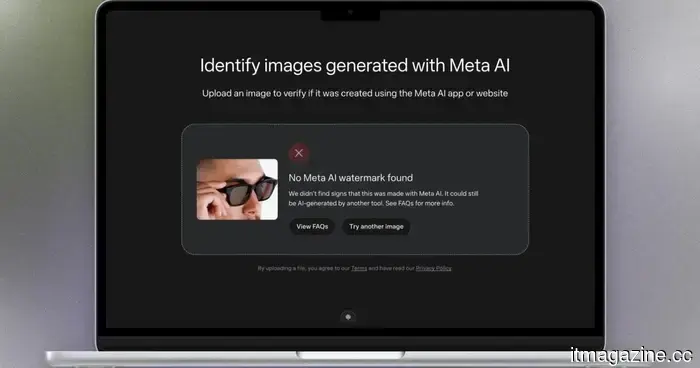 Meta's detection tool is unable to recognize images created by its own Muse Image AI.
A Reuters analysis reveals that Meta's AI image detector is unable to recognize images produced by Muse Image in over half of the instances, even after simply cropping the AI-generated pictures.
Meta's detection tool is unable to recognize images created by its own Muse Image AI.
A Reuters analysis reveals that Meta's AI image detector is unable to recognize images produced by Muse Image in over half of the instances, even after simply cropping the AI-generated pictures.
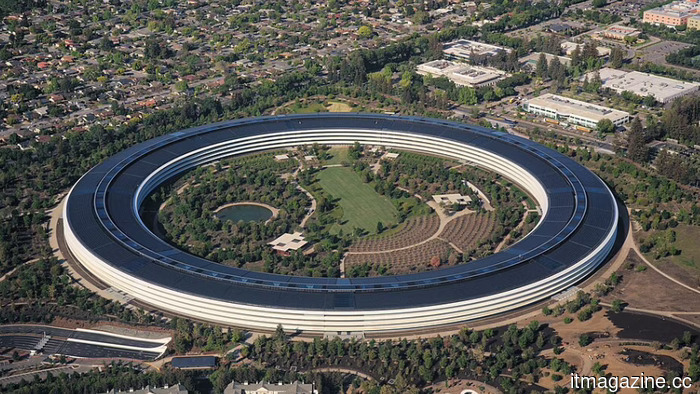 Apple is suing OpenAI for allegedly pilfering hardware designs, claiming that employees brought prototypes to
Apple alleges that OpenAI employed both current and former employees to obtain hardware secrets while developing a competitor to the iPhone. More than 400 former Apple employees are now part of OpenAI.
Apple is suing OpenAI for allegedly pilfering hardware designs, claiming that employees brought prototypes to
Apple alleges that OpenAI employed both current and former employees to obtain hardware secrets while developing a competitor to the iPhone. More than 400 former Apple employees are now part of OpenAI.
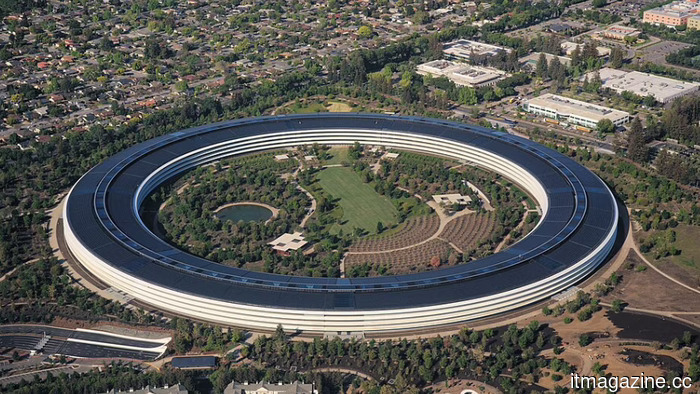 Apple has filed a lawsuit against OpenAI, claiming that its employees took hardware designs and brought prototypes to the company.
Apple asserts that OpenAI utilized current and former employees to acquire hardware secrets while developing a competitor to the iPhone. More than 400 former Apple employees are now employed at OpenAI.
Apple has filed a lawsuit against OpenAI, claiming that its employees took hardware designs and brought prototypes to the company.
Apple asserts that OpenAI utilized current and former employees to acquire hardware secrets while developing a competitor to the iPhone. More than 400 former Apple employees are now employed at OpenAI.
Apple is filing a major lawsuit against OpenAI for allegedly stealing trade secrets.
Apple has filed a lawsuit against OpenAI, claiming that the company has conducted a scheme to obtain confidential product details via former employees, as both firms compete to develop advanced AI hardware.