

Affordable smartphones are facing pressure, and one factor contributing to this is AI.
Analysts caution that shipments of smartphones priced under $400 could see a decline of over 22% this year.
For several years, consumers purchasing smartphones have enjoyed favorable options. Even budget models now come with fast processors, high-refresh-rate screens, and cameras that would have been considered top-tier just a few years ago. However, this trend may be on the verge of slowing down, with AI playing a significant role.
According to a recent report from Omdia, global shipments of smartphones priced below $400 are predicted to decrease by more than 22% in 2026, primarily due to the rising costs of DRAM and NAND memory. As the demand for AI functionalities increases memory requirements across the industry, manufacturers are finding it harder to produce competent budget smartphones without compromising their already minimal profit margins.
What has caused memory costs to surge?
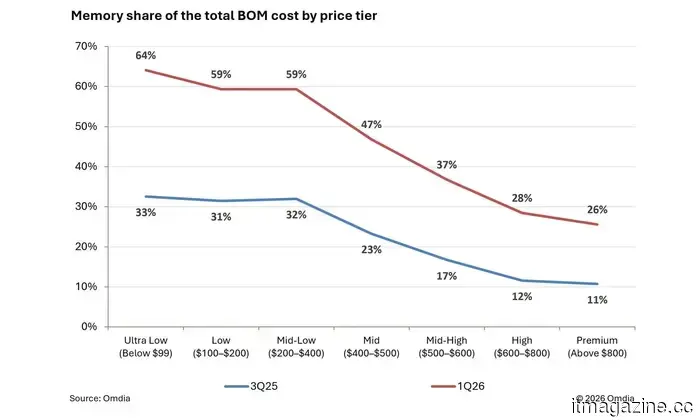
Memory has traditionally been one of the most significant expenses in a smartphone. Yet, Omdia indicates that it is becoming an even larger burden. In the first quarter of 2026, memory alone comprised nearly 60% of the material costs in smartphones under $400, and over 64% for those priced under $99. This situation leaves manufacturers with limited capacity to absorb additional price hikes.
Manufacturers have already attempted to reduce expenses in other areas by employing less expensive display panels, camera sensors, and radio components. However, Omdia notes that entry-level smartphones are already so finely tuned that there is little left to cut. Consequently, companies like Transsion, OPPO, vivo, Honor, and Xiaomi are increasingly pressured to either raise prices or downgrade specifications just to maintain their profit margins.
Premium smartphones do not face the same challenges.
Interestingly, Omdia reports that this pressure mainly affects the budget segment. While shipments of smartphones costing less than $400 are expected to decline by over 22%, those priced above $400 are forecasted to grow by 5.7% this year. Premium models provide manufacturers with much more flexibility to offset rising memory costs by adjusting displays, cameras, or even utilizing older chipsets where it is appropriate.
Omdia
Ironically, AI was anticipated to enhance smartphone capabilities. Instead, it may lead to higher prices or, at the very least, make truly affordable options harder to create. If Omdia’s projections are correct, the forthcoming generation of budget smartphones might offer fewer improvements than we are accustomed to, or might entirely vanish as brands redirect their focus to more profitable products.







Other articles
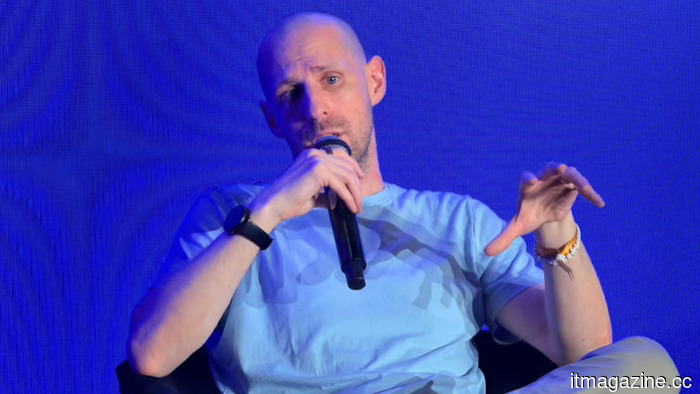 "It can genuinely harm your business": n8n’s argument for model-agnostic AI.
At the Raise Summit, Jan Oberhauser, the founder of n8n, argued for the importance of serving as AI’s orchestration layer as model sovereignty emerged as a key topic in boardrooms.
"It can genuinely harm your business": n8n’s argument for model-agnostic AI.
At the Raise Summit, Jan Oberhauser, the founder of n8n, argued for the importance of serving as AI’s orchestration layer as model sovereignty emerged as a key topic in boardrooms.
 Residents of London oppose a data center on Brick Lane, not even for AI purposes.
Residents are opposing a datacentre proposed for the old Truman Brewery on Brick Lane. The interesting aspect is that it would cater to high-frequency trading rather than AI.
Residents of London oppose a data center on Brick Lane, not even for AI purposes.
Residents are opposing a datacentre proposed for the old Truman Brewery on Brick Lane. The interesting aspect is that it would cater to high-frequency trading rather than AI.
 Kendall supports autonomous vehicles while Burnham's team hesitates.
UK tech secretary Liz Kendall has voiced her support for driverless vehicles and British AI, creating a divide with the team of potential future Prime Minister Andy Burnham, during a Sifted podcast.
Kendall supports autonomous vehicles while Burnham's team hesitates.
UK tech secretary Liz Kendall has voiced her support for driverless vehicles and British AI, creating a divide with the team of potential future Prime Minister Andy Burnham, during a Sifted podcast.
 Samsung has scheduled the Unpacked event for July 22 to unveil the Galaxy Z Fold 8 series of foldable smartphones.
During its upcoming Unpacked event, Samsung is anticipated to unveil three new foldable smartphones along with updated smartwatch versions.
Samsung has scheduled the Unpacked event for July 22 to unveil the Galaxy Z Fold 8 series of foldable smartphones.
During its upcoming Unpacked event, Samsung is anticipated to unveil three new foldable smartphones along with updated smartwatch versions.
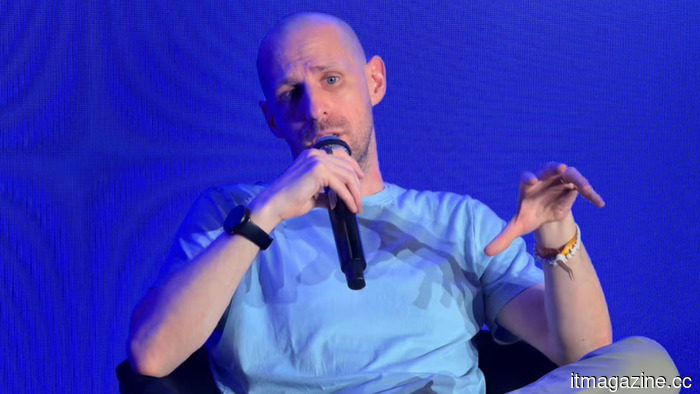 “It could genuinely jeopardize your business”: n8n’s argument for model-agnostic AI
During the Raise Summit, n8n founder Jan Oberhauser argued for the role of being AI’s orchestration layer as model sovereignty emerged as a significant topic in boardroom discussions.
“It could genuinely jeopardize your business”: n8n’s argument for model-agnostic AI
During the Raise Summit, n8n founder Jan Oberhauser argued for the role of being AI’s orchestration layer as model sovereignty emerged as a significant topic in boardroom discussions.
 Daniel Dines believes that failing to hire junior employees is an error.
At the Raise summit, UiPath's Daniel Dines stated that reducing junior hiring is a misstep, while he and LDC's Guy-Laurent Arpino discussed the future of enterprise AI.
Daniel Dines believes that failing to hire junior employees is an error.
At the Raise summit, UiPath's Daniel Dines stated that reducing junior hiring is a misstep, while he and LDC's Guy-Laurent Arpino discussed the future of enterprise AI.
Affordable smartphones are facing pressure, and one factor contributing to this is AI.
An Omdia report cautions that smartphones costing less than $400 may experience a decline of over 22% by 2026, as increasing memory costs, partly driven by AI demands, transform the global smartphone market.