
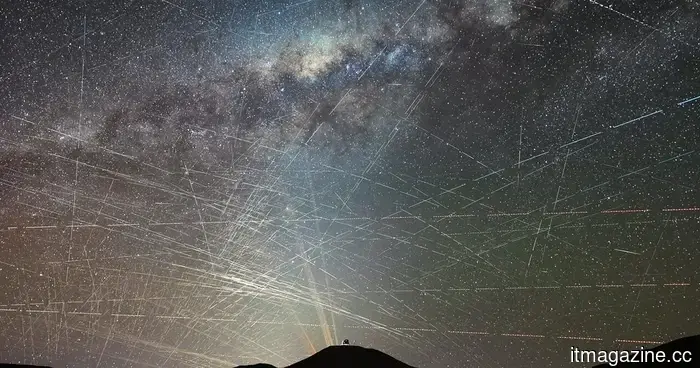
Researchers caution that Elon Musk's orbital data centers may interfere with the visibility of Earth’s largest telescopes.
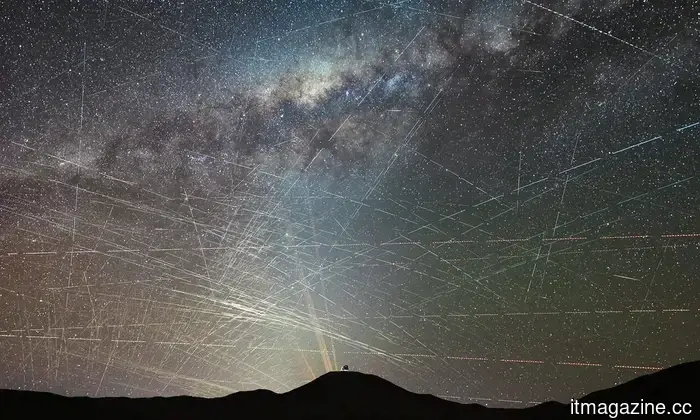
A recent study by the European Southern Observatory (ESO) indicates that millions of satellites could render sections of the night sky largely unusable for astronomical observations.
The expansion of satellite internet has provided faster connectivity for many, but the ESO warns that this rapid increase in satellite mega-constellations may significantly hinder some of the most important scientific endeavors in astronomy. The organization emphasizes that the proliferation of satellites could greatly impact the observations conducted by powerful telescopes around the world.
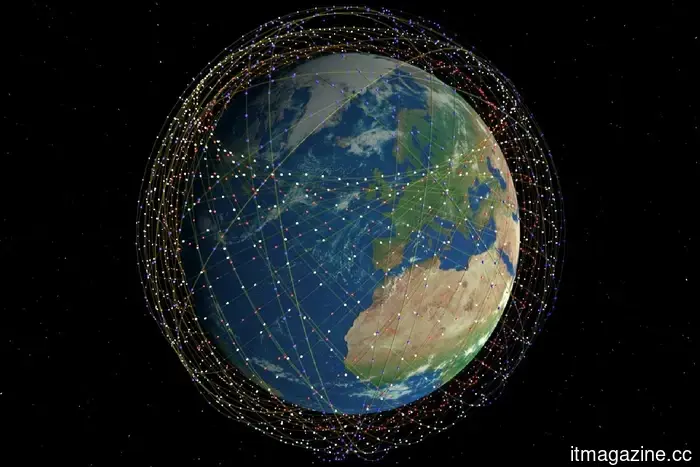
The ESO highlights that the number of satellites orbiting Earth has surged dramatically in recent years. Starlink alone has launched approximately 10,400 satellites, whereas humanity had sent a total of around 14,450 satellites into space prior to 2022. With several companies planning even larger constellations—including Elon Musk's vision of up to one million orbital "data center" satellites—the concerns among astronomers are only escalating.
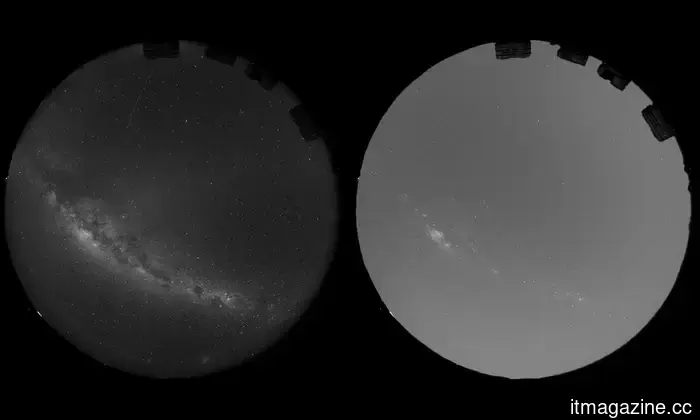
ESO researchers conducted simulations to assess the effect of a crowded night sky on ground-based observatories, and the results were alarming. Even if future satellites are not visible to the naked eye, the Very Large Telescope (VLT) in Chile may lose 28% of its observable area. More radiant satellites could have an even larger negative impact on the Vera C. Rubin Observatory, possibly making many images unusable for hours each night.
However, the ESO is not advocating for a cessation of satellite launches. Instead, they are suggesting an international limit of 100,000 faint satellites in low Earth orbit, arguing that such a cap would help reconcile global connectivity needs with the long-term requirements of astronomy. They emphasize that the brightness of satellites is just as critical as their quantity, as brighter satellites reflect more sunlight and disrupt telescope images.
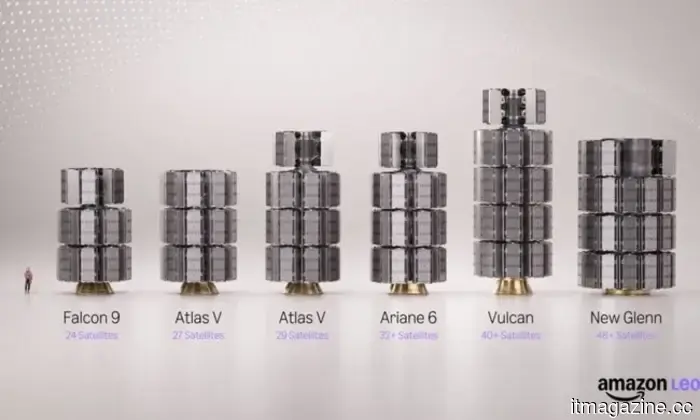
The overarching message is that this issue goes beyond any single company. Starlink, being the largest constellation, serves as a prime example, but other companies, such as Amazon's Leo, which is slated for launch later this year, are also contributing to the situation. As more organizations develop extensive satellite networks, the challenge lies in enhancing internet access without turning the night sky into a significant hindrance for astronomers.

Other articles
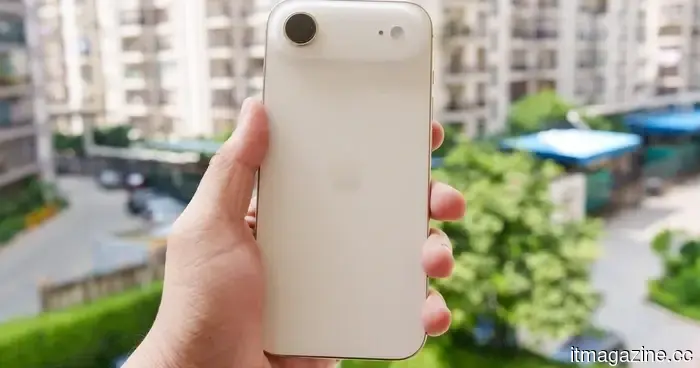 I was infatuated with my iPhone Air, but then summer came.
My iPhone Air was functioning perfectly until summer came. Now it frequently overheats, gives me constant warnings, and depletes the battery at twice the usual rate.
I was infatuated with my iPhone Air, but then summer came.
My iPhone Air was functioning perfectly until summer came. Now it frequently overheats, gives me constant warnings, and depletes the battery at twice the usual rate.
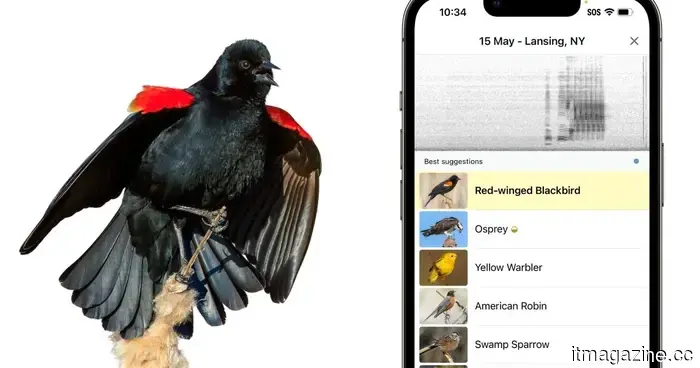 The Merlin Bird ID app is now aiming to create a worldwide database of our disappearing avian companions.
Merlin Bird ID will soon integrate AI-driven bird identifications into Cornell's eBird platform, assisting researchers in tracking bird populations through millions of actual observations.
The Merlin Bird ID app is now aiming to create a worldwide database of our disappearing avian companions.
Merlin Bird ID will soon integrate AI-driven bird identifications into Cornell's eBird platform, assisting researchers in tracking bird populations through millions of actual observations.
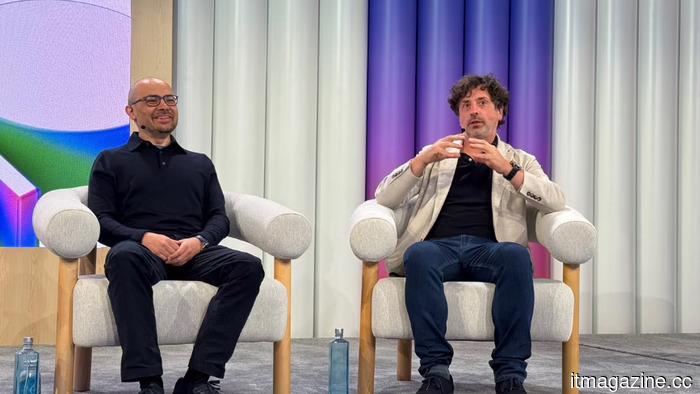 Tech billionaires invest $120 million to oppose California tax.
Sergey Brin has invested $82 million in opposing California's 5% billionaire tax, spearheading a campaign among tech elites that surpasses the funding of the measure's union supporters by four times.
Tech billionaires invest $120 million to oppose California tax.
Sergey Brin has invested $82 million in opposing California's 5% billionaire tax, spearheading a campaign among tech elites that surpasses the funding of the measure's union supporters by four times.
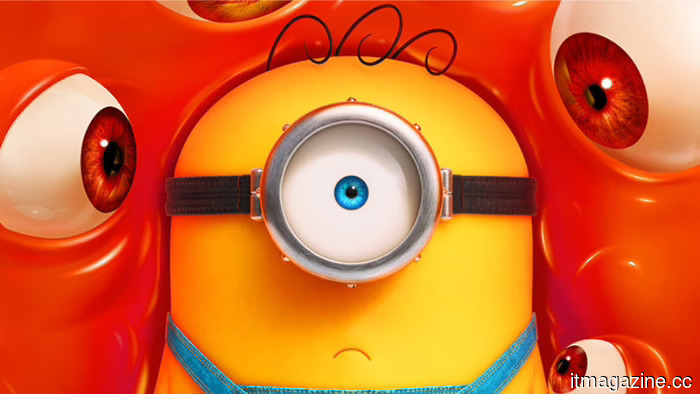 Minions & Monsters records the lowest franchise opening with $64 million.
Universal's newest Minions movie topped the July 4 weekend with $64 million, but it marks the lowest opening for a Despicable Me film, earning only half of what its predecessors made.
Minions & Monsters records the lowest franchise opening with $64 million.
Universal's newest Minions movie topped the July 4 weekend with $64 million, but it marks the lowest opening for a Despicable Me film, earning only half of what its predecessors made.
 This small MacBook accessory provides customizable shortcuts for meetings and enhancing productivity.
Project Mirage has introduced Dune, a three-button accessory for MacBook that provides context-sensitive shortcuts, automation driven by AI, and rapid controls for meetings and productivity applications.
This small MacBook accessory provides customizable shortcuts for meetings and enhancing productivity.
Project Mirage has introduced Dune, a three-button accessory for MacBook that provides context-sensitive shortcuts, automation driven by AI, and rapid controls for meetings and productivity applications.
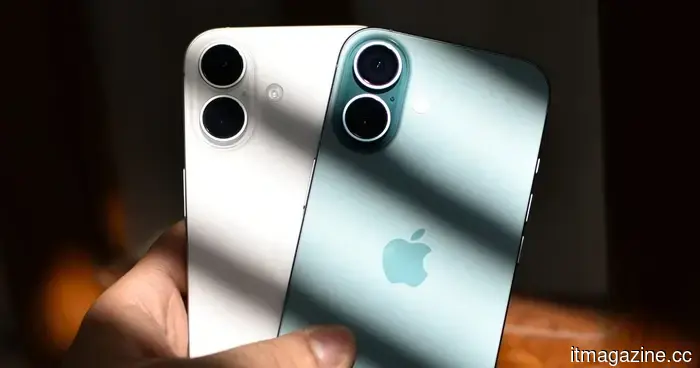 The standard iPhone 18 might not include two significant Siri AI functionalities.
The iPhone 18 and iPhone 18e might not meet Apple’s AFM Core Advanced hardware specifications, which could result in the absence of two significant Siri AI features on these models.
The standard iPhone 18 might not include two significant Siri AI functionalities.
The iPhone 18 and iPhone 18e might not meet Apple’s AFM Core Advanced hardware specifications, which could result in the absence of two significant Siri AI features on these models.
Researchers caution that Elon Musk's orbital data centers may interfere with the visibility of Earth’s largest telescopes.
The European Southern Observatory cautions that fast-expanding satellite constellations could interfere with the most advanced telescopes on Earth and is suggesting new restrictions to safeguard astronomy.