
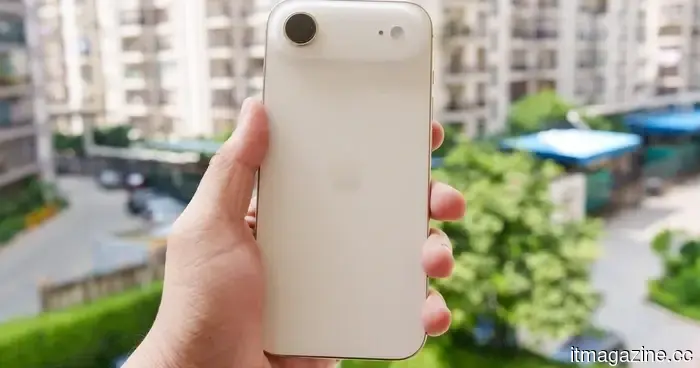
I was infatuated with my iPhone Air, but then summer came.
When Apple announced the iPhone Air, I immediately decided it would be my next device. I have always preferred smaller phones and held onto my iPhone 13 mini for as long as I could. However, it began to struggle with my usage, prompting the need for an upgrade.
With Apple no longer producing a compact iPhone, the slender iPhone seemed like the best option at the time. Honestly, it turned out to be a good decision. While the iPhone Air isn't as manageable as an iPhone mini, its thin design and lighter weight allow for one-handed use.
I also appreciated the advantages of a larger screen, enhancing my web browsing and reading experience. Everything was going smoothly until summer arrived, making me reconsider my choice.
Life was pleasant until the heat became too intense.
Before summer's arrival, my experience with the iPhone Air was truly enjoyable. As I mentioned in a previous article, my only significant complaint was the lack of a telephoto lens. Everything else about the phone—the size, weight, and usability with one hand—felt like a success.
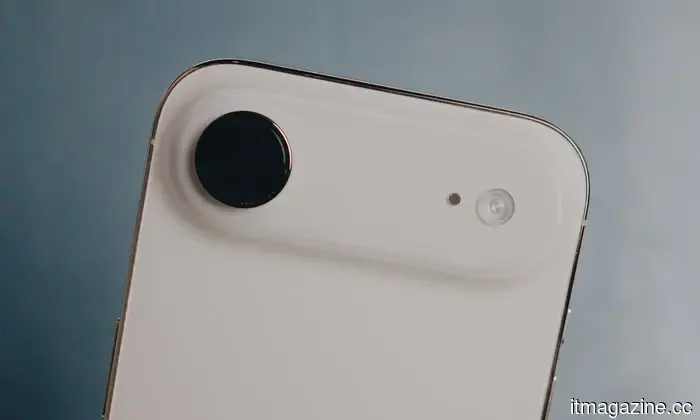
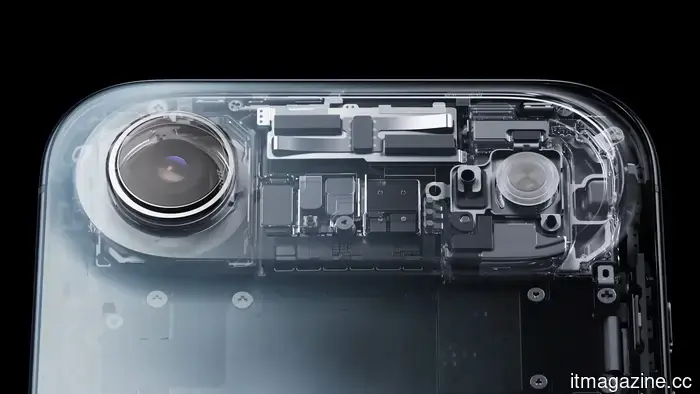
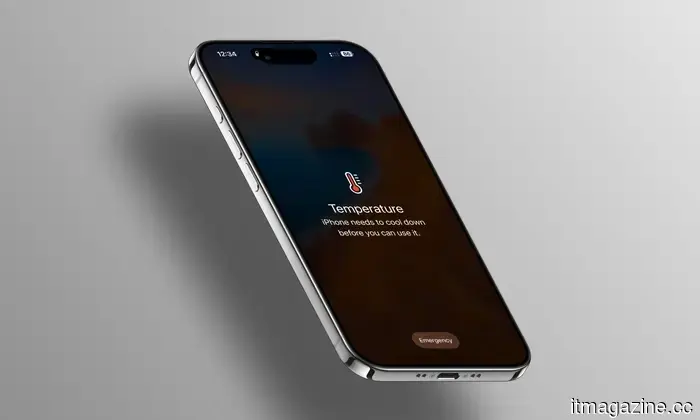
Then the temperatures surged past 45 degrees Celsius (113 degrees Fahrenheit), and things changed. Since Apple packed all the internals at the top of the iPhone Air to accommodate a larger battery, that section of the phone becomes extremely hot when the outside temperature rises. It has become genuinely uncomfortable to hold. This summer, I have received the “iPhone needs to cool down” warning screen more than I have in several years of using iPhones.
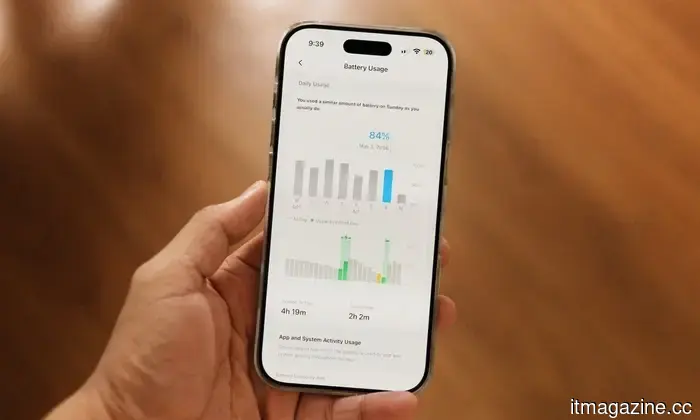
However, the bigger concern is the battery life, which has significantly deteriorated. Before the heat wave, I could easily make it through a day on a single charge. Now, I find myself needing to charge it at least twice a day just to keep it operational. For a phone I chose specifically for its seamless integration into my daily life, that’s a tough adjustment to make.
Why heat is detrimental to your phone’s battery.
Heat is detrimental to battery performance. It boils down to basic chemistry. Lithium-ion batteries depend on chemical reactions to store and release energy, and heat accelerates these reactions. The faster they occur, the more quickly the battery drains and the greater the long-term damage.
A WSJ article indicates that both Apple and Samsung concur that once the ambient temperature around your phone reaches approximately 95 degrees Fahrenheit for prolonged periods, the battery will suffer irreversible harm. Considering the current temperatures well exceed 100 degrees Fahrenheit, my iPhone Air is in trouble.
How to prevent heat damage to your phone’s battery
There are several measures you can take to protect your phone's battery from heat damage. First, keep your device out of direct sunlight and avoid leaving it in hot cars, as even a glove compartment can become excessively warm.
Secondly, if your phone is already hot, try not to put it in the fridge or freezer to cool it down. Instead, use a wrapped frozen ice pack and let it cool off gradually.
Charging habits also play a role. Fast charging generates heat, which can further accelerate battery wear in a hot environment. To be cautious, slower charging is gentler on your battery in the long run, even if it’s not as convenient.
In summary, to prolong your phone's battery life during a summer heatwave, avoid direct sunlight, refrain from using fast or wireless charging, and allow your device to cool before it alerts you that it’s overheating.
Other articles
 Alibaba receives a stay on the US lobbying prohibition.
A US judge reinstated Alibaba's access to lobbyists in Washington as they consider the constitutionality of the ban associated with the Pentagon.
Alibaba receives a stay on the US lobbying prohibition.
A US judge reinstated Alibaba's access to lobbyists in Washington as they consider the constitutionality of the ban associated with the Pentagon.
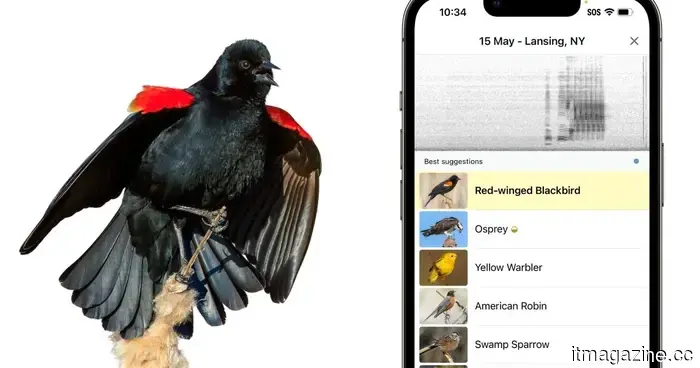 The Merlin Bird ID app is now aiming to create a worldwide database of our disappearing avian companions.
Merlin Bird ID will soon integrate AI-driven bird identifications into Cornell's eBird platform, assisting researchers in tracking bird populations through millions of actual observations.
The Merlin Bird ID app is now aiming to create a worldwide database of our disappearing avian companions.
Merlin Bird ID will soon integrate AI-driven bird identifications into Cornell's eBird platform, assisting researchers in tracking bird populations through millions of actual observations.
 The era of AI phones is approaching, and the unconventional brands might not endure this shift.
AI has the potential to enhance the intelligence of phones, but it could also create a more challenging environment for smaller and unconventional brands in the smartphone market.
The era of AI phones is approaching, and the unconventional brands might not endure this shift.
AI has the potential to enhance the intelligence of phones, but it could also create a more challenging environment for smaller and unconventional brands in the smartphone market.
 Minions & Monsters records the lowest franchise opening with $64 million.
Universal's newest Minions movie topped the July 4 weekend with $64 million, but it marks the lowest opening for a Despicable Me film, earning only half of what its predecessors made.
Minions & Monsters records the lowest franchise opening with $64 million.
Universal's newest Minions movie topped the July 4 weekend with $64 million, but it marks the lowest opening for a Despicable Me film, earning only half of what its predecessors made.
 Harvard finds that AI-native startups employ fewer junior-level positions.
Researchers from Harvard and INSEAD have discovered that AI-native startups tend to be smaller, have flatter organizational structures, and employ a higher proportion of senior professionals, with entry-level hiring being 15% less than that of non-AI counterparts.
Harvard finds that AI-native startups employ fewer junior-level positions.
Researchers from Harvard and INSEAD have discovered that AI-native startups tend to be smaller, have flatter organizational structures, and employ a higher proportion of senior professionals, with entry-level hiring being 15% less than that of non-AI counterparts.
 I hope Apple keeps the MacBook Neo separate from the AI hype and maintains its genuine identity.
Apple doesn't have to equip the MacBook Neo with DDR5 memory, a desktop-grade NPU, or 16GB of RAM.
I hope Apple keeps the MacBook Neo separate from the AI hype and maintains its genuine identity.
Apple doesn't have to equip the MacBook Neo with DDR5 memory, a desktop-grade NPU, or 16GB of RAM.
I was infatuated with my iPhone Air, but then summer came.
My iPhone Air was functioning perfectly until summer came. Now it frequently overheats, gives me constant warnings, and depletes the battery at twice the usual rate.