
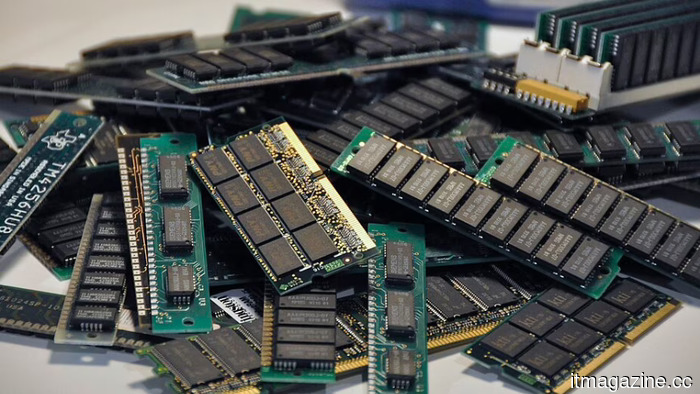
Chip industry cautions the US against interfering in the memory market.
The shortage of memory has become a political issue in Washington. The chip industry now has a message for the Trump administration: allow the market to function freely, or the situation will worsen.
This warning was conveyed in a letter from SEMI, a semiconductor industry association, to high-ranking US officials. The group stated that any efforts to address the shortage by manipulating prices or production would exacerbate the problem, as reported by Bloomberg.
The shortage originates from the surge in AI demand, which is consuming memory chips faster than manufacturers can keep up with production.
SEMI’s position is clear. They assert, “Interventions that distort pricing or capacity decisions risk prolonging the demand downturn,” as indicated in a copy reviewed by Bloomberg. They advocate for the opposite approach: allowing companies to continue forming long-term supply agreements and extending tax incentives to increase US production.
The stakes are significant for SEMI’s members, which include the three major memory manufacturers: Micron in Idaho, along with South Korea’s SK Hynix and Samsung. Their stock prices have risen sharply as AI demand exceeds supply.
The changing political landscape is noteworthy because the shortage is now impacting everyday consumers. Memory is essential for various products, from cars to laptops, leading to rising prices across the board. Even long-established memory standards have seen price increases. Apple and Microsoft have both raised prices for their popular devices, which concerns politicians who are mindful of voters' finances.
SEMI has a potential solution for this issue as well. Instead of capping prices, it is advocating for Congress to alleviate the impact through consumer tax breaks on phones and laptops. The organization has made a point of thanking the administration for its support of the semiconductor sector.
The letter comes amidst a larger debate. Apple is also lobbying the same officials for approval to purchase memory from two Chinese companies that are on a Pentagon blacklist. While SEMI’s letter does not mention any Chinese suppliers, it was directed at the very officials Apple has been contacting: the Treasury, Defense, Commerce, and State secretaries.
Not everyone in Washington is advocating for a hands-off approach. Republican Senator Bernie Moreno of Ohio has urged the Commerce Secretary to prioritize American buyers, warning of potential repercussions for the car industry similar to those experienced during the pandemic.
The harsh reality is that it will take time to resolve the issue. SEMI estimates that memory capacity will grow approximately 19 percent per year, yet AI demand will continue to outstrip this growth. Building new factories takes years, and until they are operational, the imbalance will keep driving prices higher. For European consumers, this warning resonates with a previous caution issued in Britain, as Currys anticipates that prices for phones, laptops, and TVs will rise later this year. The industry's message to politicians is straightforward: it is not possible to regulate more chips into existence.
Other articles
 Investors are filing a lawsuit against Oracle regarding its $300 billion deal with OpenAI.
A pension fund from Michigan is filing a lawsuit against Oracle, claiming that the company concealed risks related to its $300 billion deal with OpenAI prior to a $25 billion note sale, as part of a class action under the Securities Act.
Investors are filing a lawsuit against Oracle regarding its $300 billion deal with OpenAI.
A pension fund from Michigan is filing a lawsuit against Oracle, claiming that the company concealed risks related to its $300 billion deal with OpenAI prior to a $25 billion note sale, as part of a class action under the Securities Act.
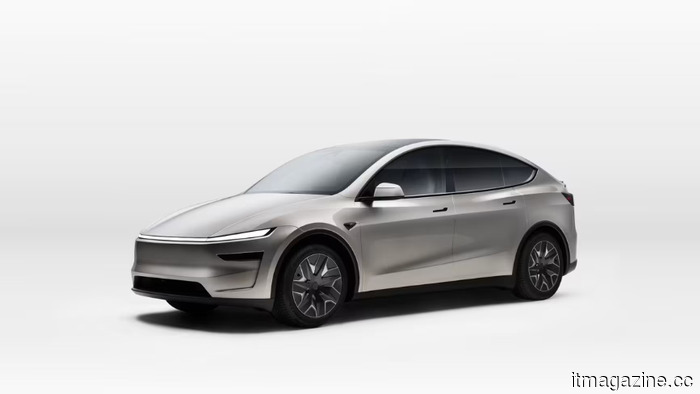 Tesla introduces the six-seat Model Y Long Wheelbase in the US, priced at $61,990.
Tesla's extended Model Y features a third row of seating, captain's chairs, and includes bundled Full Self-Driving (FSD) for $61,990, with deliveries commencing from Giga Texas in September.
Tesla introduces the six-seat Model Y Long Wheelbase in the US, priced at $61,990.
Tesla's extended Model Y features a third row of seating, captain's chairs, and includes bundled Full Self-Driving (FSD) for $61,990, with deliveries commencing from Giga Texas in September.
 npm packages associated with North Korea are masquerading as Rollup polyfill tools to extract sensitive information from developers.
Malicious npm packages that imitate Rollup polyfill tools are stealing browser data, cryptocurrency wallets, and credentials for AI tools in a campaign linked to Lazarus.
npm packages associated with North Korea are masquerading as Rollup polyfill tools to extract sensitive information from developers.
Malicious npm packages that imitate Rollup polyfill tools are stealing browser data, cryptocurrency wallets, and credentials for AI tools in a campaign linked to Lazarus.
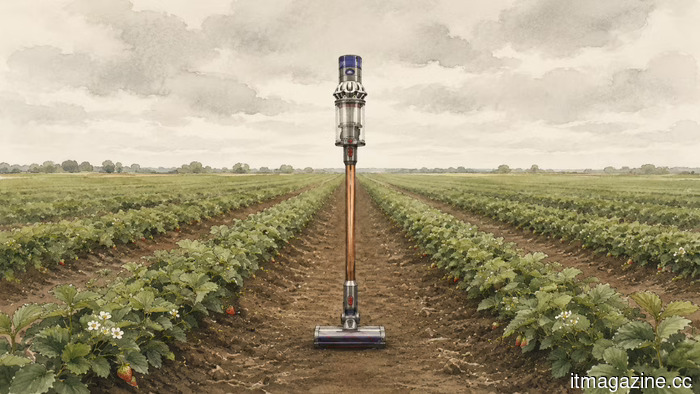 The alternate Dyson empire, calculated in acres.
Dyson’s robotic strawberry farm and its renowned vacuum cleaner are essentially the same device: they share the same engineering, the same financial investment, and the same desire for precision.
The alternate Dyson empire, calculated in acres.
Dyson’s robotic strawberry farm and its renowned vacuum cleaner are essentially the same device: they share the same engineering, the same financial investment, and the same desire for precision.
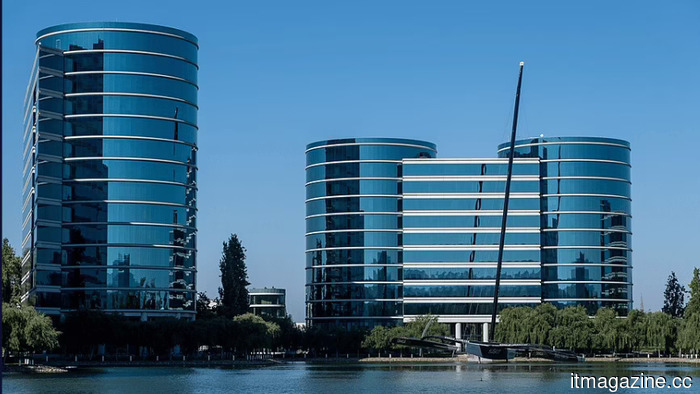 Investors file a lawsuit against Oracle regarding its $300 billion agreement with OpenAI.
A pension fund from Michigan is suing Oracle, claiming that the company concealed risks associated with its $300 billion deal with OpenAI prior to a $25 billion note sale, in a class action under the Securities Act.
Investors file a lawsuit against Oracle regarding its $300 billion agreement with OpenAI.
A pension fund from Michigan is suing Oracle, claiming that the company concealed risks associated with its $300 billion deal with OpenAI prior to a $25 billion note sale, in a class action under the Securities Act.
 SAP halts hiring and travel to support its AI initiative.
An internal memo reveals that SAP is halting most hiring, pausing non-AI travel, and reducing supplier expenditures to support a "substantial" initiative in AI.
SAP halts hiring and travel to support its AI initiative.
An internal memo reveals that SAP is halting most hiring, pausing non-AI travel, and reducing supplier expenditures to support a "substantial" initiative in AI.
Chip industry cautions the US against interfering in the memory market.
The semiconductor group SEMI has cautioned the Trump administration that steps taken to address the AI-related memory shortage could exacerbate the supply constraints.