

India extends its crackdown on usernames to include Telegram and Signal.
A government source has indicated that the IT ministry issued notices to both Telegram and Signal, just a day after instructing WhatsApp to halt its usernames rollout. This action by India's technology ministry raises concerns about the usernames features of these apps, marking a regulatory initiative that started with WhatsApp the day prior. Neither Telegram nor Signal had publicly responded by the time the report was released.
The source characterized the notices as requests for both companies to clarify why they should be permitted to enable users to communicate through selected usernames instead of phone numbers, and how each application prevents the risks of fraud and impersonation associated with this feature. No specific deadline for a response has been disclosed, unlike the three-day timeframe that India's Ministry of Electronics and Information Technology mandated for WhatsApp in their notice the previous day.
The notice to WhatsApp, which Reuters reviewed, cautioned that usernames “could facilitate impersonation and identity spoofing, including impersonation of individuals, public authorities, financial institutions, and government agencies.” The same rationale seems to underlie the ministry's actions towards Telegram and Signal, although the exact language directed to each company has not been made public.
This scenario aligns with a broader concern that Indian regulators have consistently raised over the past two years, highlighting that features allowing for anonymity on messaging platforms hinder efforts to trace fraud, phishing, and so-called digital arrest scams, where callers pose as police or government officials to extort victims.
MeitY's approach in these matters typically relies on the safe harbor provisions of the IT Act and the traceability stipulations outlined in the 2021 intermediary rules, though the applicability of these provisions to a username function is still debated. The Internet Freedom Foundation has already contended, in response to the WhatsApp notice, that the ministry is misapplying Section 79 of the IT Act—a liability shield—to dictate app design rather than regulation.
It remains unconfirmed whether this criticism applies to the notices sent to Telegram and Signal, but the underlying legal issue would presumably be relevant here as well. Telegram has already had a tumultuous history with Indian regulators, being blocked nationwide for about a week until June 22, after officials claimed that channels on the app were used to sell leaked NEET medical entrance exam papers. Telegram contested that ban in the Delhi High Court and lost, with government submissions highlighting that communication concealing phone numbers through usernames was a significant hurdle for law enforcement.
In contrast, Signal has received relatively little regulatory scrutiny in India until now, making its inclusion in the recent notices noteworthy. Signal's privacy framework has been more stringent than its competitors, designed to minimize the app's knowledge of users' contacts and messages, and this very architecture now draws regulatory attention.
Signal's usernames also differ from WhatsApp’s in a particular way. Signal has offered this feature globally for some time, allowing users to hide their phone numbers from contacts by default, rather than as a newly announced modification, making the ministry's timing appear less like a response to a specific launch and more indicative of a broader review of identification methods that do not rely on phone numbers.
WhatsApp has stated that the feature is not yet available to Indian users and that it has proactively reserved usernames that resemble those of public figures and government entities to prevent impersonation. Whether MeitY will show similar leniency towards Telegram and Signal or expedite its actions due to their differing presence in India is likely to become clear only after the ministry announces its next steps.
For the moment, this situation seems to be the beginning of a larger policy initiative affecting all major messaging platforms in India, rather than a dispute limited to just one application. Three apps, three ownership structures, and three different reactions so far, all facing the same question from the same ministry within two days.
Otros artículos
 El rival de Starlink de Amazon está listo para lanzar internet satelital más tarde este año.
Amazon planea lanzar su servicio de internet satelital inicial Leo a finales de este año después de colocar casi 400 satélites en órbita, lo que representa un desafío mayor para Starlink de SpaceX.
El rival de Starlink de Amazon está listo para lanzar internet satelital más tarde este año.
Amazon planea lanzar su servicio de internet satelital inicial Leo a finales de este año después de colocar casi 400 satélites en órbita, lo que representa un desafío mayor para Starlink de SpaceX.
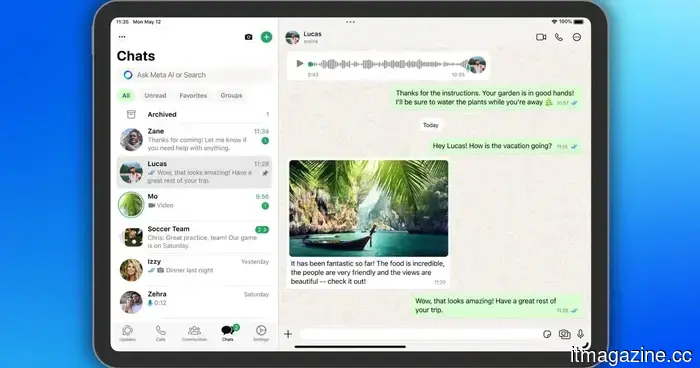 Pronto podrás usar WhatsApp en tu iPad sin tocar tu iPhone.
Los usuarios de iPad ahora pueden usar WhatsApp como un dispositivo principal independiente sin necesidad de un iPhone.
Pronto podrás usar WhatsApp en tu iPad sin tocar tu iPhone.
Los usuarios de iPad ahora pueden usar WhatsApp como un dispositivo principal independiente sin necesidad de un iPhone.
 El motor de cohete Anduril explota en el sitio de prueba de Mississippi
Un motor de cohete sólido explotó en el sitio de pruebas de Anduril en Mississippi. La startup de defensa de $61 mil millones lo llama rutinario, pero los informantes describen un cronograma deslizante.
El motor de cohete Anduril explota en el sitio de prueba de Mississippi
Un motor de cohete sólido explotó en el sitio de pruebas de Anduril en Mississippi. La startup de defensa de $61 mil millones lo llama rutinario, pero los informantes describen un cronograma deslizante.
 China aprueba el registro de la cotización de Unitree en Shanghái, valorando la OPI en $619 millones.
El regulador de valores de China ha aprobado el registro de la OPI de Unitree en el Mercado STAR de Shanghái, despejando el camino para una cotización valorada en aproximadamente 619 millones de dólares.
China aprueba el registro de la cotización de Unitree en Shanghái, valorando la OPI en $619 millones.
El regulador de valores de China ha aprobado el registro de la OPI de Unitree en el Mercado STAR de Shanghái, despejando el camino para una cotización valorada en aproximadamente 619 millones de dólares.
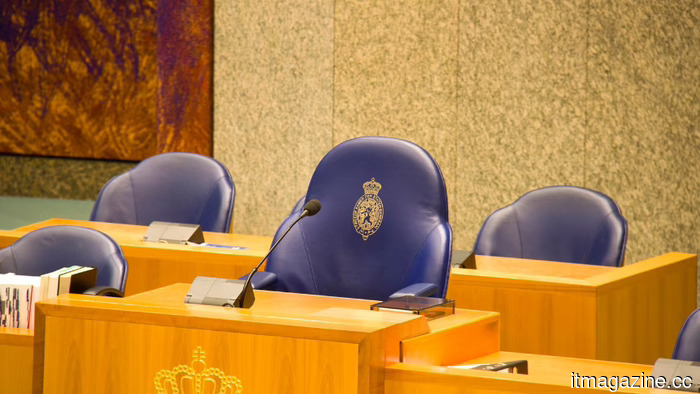 El ejército holandés respalda el software de drones de Intelic con decenas de millones de euros.
El ministerio de defensa de los Países Bajos está invirtiendo decenas de millones de euros en la plataforma NEXUS de Intelic para permitir que los sistemas de diferentes fabricantes de drones trabajen juntos.
El ejército holandés respalda el software de drones de Intelic con decenas de millones de euros.
El ministerio de defensa de los Países Bajos está invirtiendo decenas de millones de euros en la plataforma NEXUS de Intelic para permitir que los sistemas de diferentes fabricantes de drones trabajen juntos.
 El motor de cohete Anduril explota en el sitio de prueba de Mississippi
Un motor de cohete sólido explotó en el sitio de pruebas de Anduril en Mississippi. La startup de defensa de $61 mil millones lo llama rutinario, pero los informantes describen un cronograma deslizante.
El motor de cohete Anduril explota en el sitio de prueba de Mississippi
Un motor de cohete sólido explotó en el sitio de pruebas de Anduril en Mississippi. La startup de defensa de $61 mil millones lo llama rutinario, pero los informantes describen un cronograma deslizante.
India extends its crackdown on usernames to include Telegram and Signal.
A day after directing WhatsApp to halt its usernames feature, India's IT ministry has issued comparable notices to Telegram and Signal, according to a government source.