
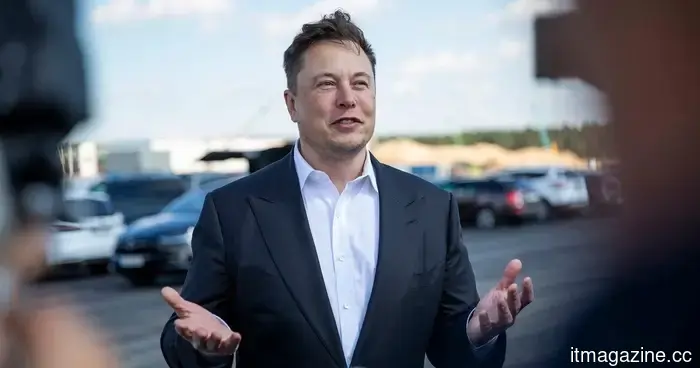
SpaceX, led by Elon Musk, may be developing an AI device that is more compact than the iPhone.
SpaceX has reportedly presented investors with a prototype of a device resembling a handset that is thinner than an iPhone. As stated by The Wall Street Journal, the device is expected to operate on a proprietary operating system, utilize a Qualcomm Snapdragon chip, and incorporate AI technology from xAI.
This project is still in its preliminary phase, and there is no assurance that SpaceX will develop it into a finalized product. The report also highlights that it is not characterized as a conventional smartphone, which is significant. It could potentially be a phone, something akin to a specialized AI device, or a product that may never progress past the prototype phase.
SpaceX has previously been associated with phone-like hardware.
This isn't the first instance of SpaceX being linked to phone-like technology. Earlier this year, a report suggested that the company was investigating a phone connected to Starlink, although Musk denied any development in that direction.
Musk has also mentioned the concept of creating a phone in the past, mainly due to his dissatisfaction with Apple and Google’s dominance over app distribution. He previously indicated he would contemplate producing an alternative phone if X were removed from key app stores.
This context helps to clarify the significance of the new prototype, even though it remains uncertain what SpaceX is actually creating. A handset-like device tied to xAI would align with Musk’s ambitions to consolidate more of his companies’ software, services, and hardware and his vision for an "everything app," which he articulated shortly after acquiring Twitter (now X).
If it becomes a phone, what would its emphasis be?
Should SpaceX’s prototype evolve into a phone-like device, AI would very likely be its standout feature. Musk already has xAI, Grok, X, Starlink, and his long-standing vision for an “everything app” encompassing payments, messaging, services, and media. A dedicated device could unify these elements more seamlessly without the considerable dependence on iOS or Android.
Privacy and control over the platform might also be integral to the device’s appeal. Musk has consistently criticized major tech companies regarding user data and app-store authority. He directed users toward Signal during the WhatsApp privacy controversy and later accused WhatsApp of sharing user data.
A SpaceX device could capitalize on xAI, encrypted communications, X services, and possibly Starlink connectivity. This would provide it with a more distinct identity compared to many AI devices, yet creating a successful phone remains a significant challenge. Consumers expect high-quality hardware, impressive cameras, dependable software, good battery life, carrier support, and a well-developed app ecosystem.
Currently, this is merely an early prototype, not a completed product. Only time will reveal whether SpaceX is pursuing a genuine smartphone, a more focused AI device, or something entirely different.
Other articles
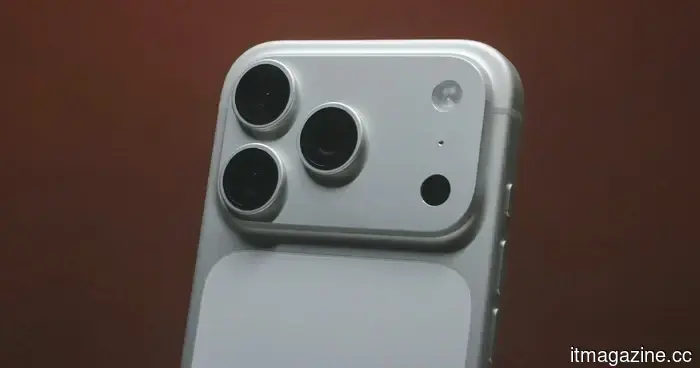 The iPhone 18 Pro may be released in these three colors, and black is still not among them.
According to the latest leak, the only colors for the iPhone 18 Pro could be Dark Cherry, Light Blue, and Silver-Gray, with black once again missing from the selection.
The iPhone 18 Pro may be released in these three colors, and black is still not among them.
According to the latest leak, the only colors for the iPhone 18 Pro could be Dark Cherry, Light Blue, and Silver-Gray, with black once again missing from the selection.
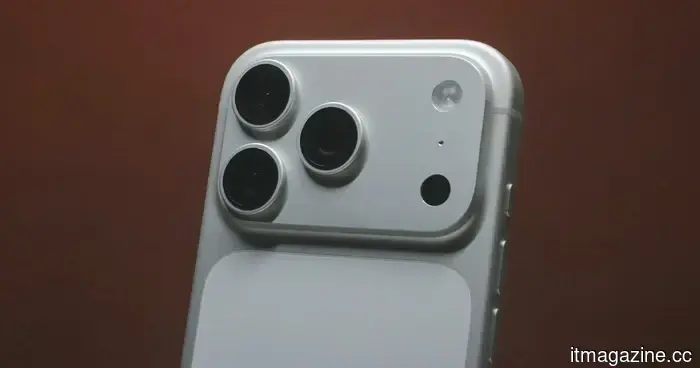 The iPhone 18 Pro may be released in these three colors, and black still isn’t among them.
According to the latest leak, the only colors for the iPhone 18 Pro may be Dark Cherry, Light Blue, and Silver-Gray, with black once again missing from the options.
The iPhone 18 Pro may be released in these three colors, and black still isn’t among them.
According to the latest leak, the only colors for the iPhone 18 Pro may be Dark Cherry, Light Blue, and Silver-Gray, with black once again missing from the options.
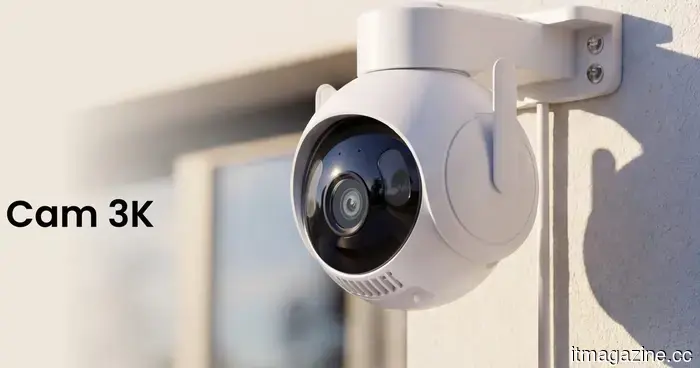 SwitchBot's latest outdoor security camera employs AI to provide descriptions of activities happening around your home.
The new Outdoor Pan/Tilt Cam 3K captures video in 3K resolution, follows motion, summarizes events using AI, and assists users in locating footage through straightforward prompts.
SwitchBot's latest outdoor security camera employs AI to provide descriptions of activities happening around your home.
The new Outdoor Pan/Tilt Cam 3K captures video in 3K resolution, follows motion, summarizes events using AI, and assists users in locating footage through straightforward prompts.
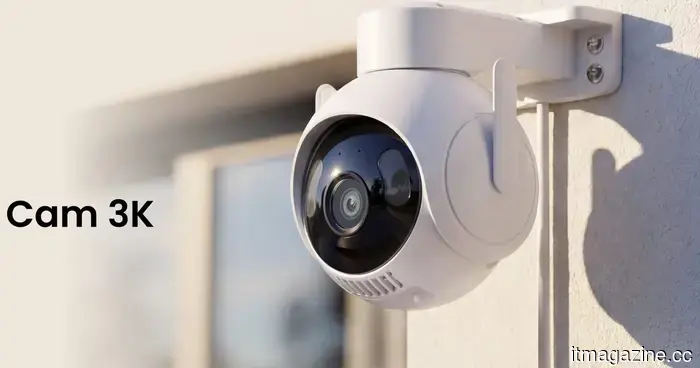 SwitchBot’s latest outdoor security camera employs AI technology to provide descriptions of the activity occurring around your residence.
The new Outdoor Pan/Tilt Cam 3K captures video in 3K resolution, follows movement, uses AI to summarize events, and assists users in locating footage through straightforward prompts.
SwitchBot’s latest outdoor security camera employs AI technology to provide descriptions of the activity occurring around your residence.
The new Outdoor Pan/Tilt Cam 3K captures video in 3K resolution, follows movement, uses AI to summarize events, and assists users in locating footage through straightforward prompts.
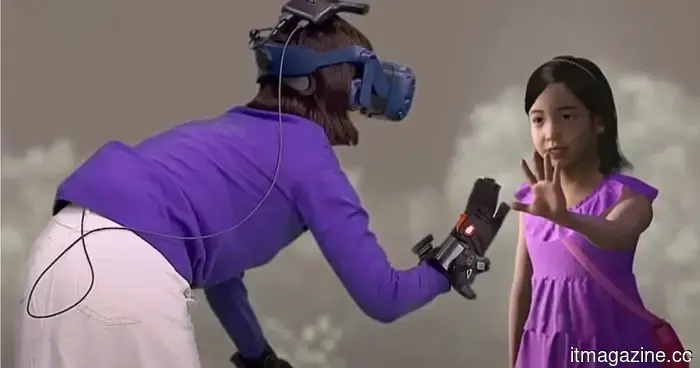 A study reveals that people may communicate with AI representations of the deceased, perceiving them as reincarnations, which is quite unsettling.
The initial AI ghost study conducted by CU Boulder revealed a unanimous preference among participants for first-person simulations of the deceased, with all participants stating that they would choose to return.
A study reveals that people may communicate with AI representations of the deceased, perceiving them as reincarnations, which is quite unsettling.
The initial AI ghost study conducted by CU Boulder revealed a unanimous preference among participants for first-person simulations of the deceased, with all participants stating that they would choose to return.
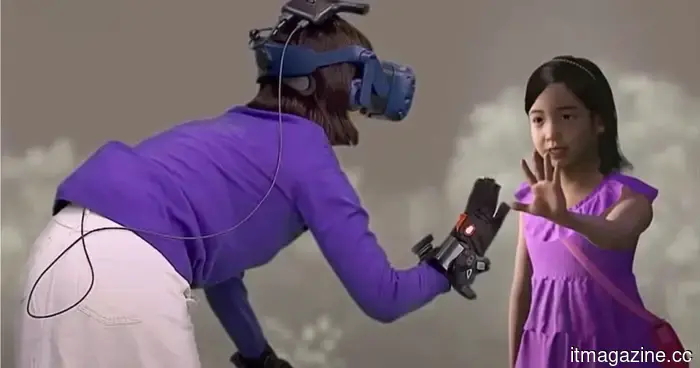 A study reveals that people are willing to converse with AI representations of deceased individuals as if they are reincarnations, which is quite unsettling.
The initial AI ghost study at CU Boulder revealed that all participants preferred first-person simulations of deceased individuals, with each one expressing a desire to return.
A study reveals that people are willing to converse with AI representations of deceased individuals as if they are reincarnations, which is quite unsettling.
The initial AI ghost study at CU Boulder revealed that all participants preferred first-person simulations of deceased individuals, with each one expressing a desire to return.
SpaceX, led by Elon Musk, may be developing an AI device that is more compact than the iPhone.
Se ha informado que SpaceX, la compañía de Elon Musk, ha presentado a los inversores un prototipo inicial de un dispositivo de inteligencia artificial similar a un teléfono, aunque no está claro si se convertirá en un producto.