

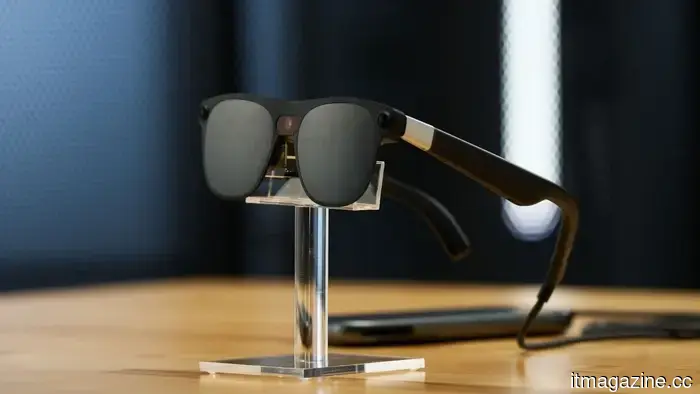
Reservations for the Xreal Aura glasses are now officially available, and they largely adhere to the $1,500 price point.
Snap's Specs, now priced at over $2,000, seem quite pricey.
After a final teaser earlier this month, Xreal has started accepting reservations for its new Aura smart glasses. The company aimed to keep the price below $1,500 for these new AR devices, and it has officially set the reservation price at that amount.
The Android XR-powered spatial computing glasses will be available for $1,500 for the basic model, excluding tax. The expected release date is in the fall of 2026. While this price is not exactly low, it does undercut Snap’s latest Specs, which are priced just under $2,200.
Xreal is taking a cautious approach to selling the Aura. This is a reservation, not an official preorder, requiring a $99 reservation fee that will turn into a $199 launch credit. The limited $299 Founder Priority Pass has already sold out, with all 2,000 passes reserved in just 36 hours.
The launch will support several regions, including the US, UK, Australia, Canada, Japan, South Korea, and many European countries. Final details on pricing, configurations, and shipping will be available closer to the launch date.
What can users expect from the Xreal Aura?
Unlike Snap’s Specs, which function as standalone devices, Xreal employs a split-compute method, combining glasses with a dedicated computing puck. This puck houses the Snapdragon Reality Elite platform, while the glasses are equipped with Xreal’s X1S spatial coprocessor. The setup incorporates Android XR, Gemini assistance, a 70-degree optical see-through display, 6DoF tracking, hand tracking, electrochromic dimming, and compatibility with prescription lens inserts.
Though the price is lower, there is a trade-off. Users will have to deal with the puck and a cable. However, this design allows for better thermal management since the processing occurs away from the face, leading to improved battery life. While seated, the additional components may be unnoticeable for entertainment, productivity, and gaming, but walking around will make the wired setup apparent.
Vikhyaat Vivek is a technology journalist and reviewer with seven years of experience in consumer hardware coverage.
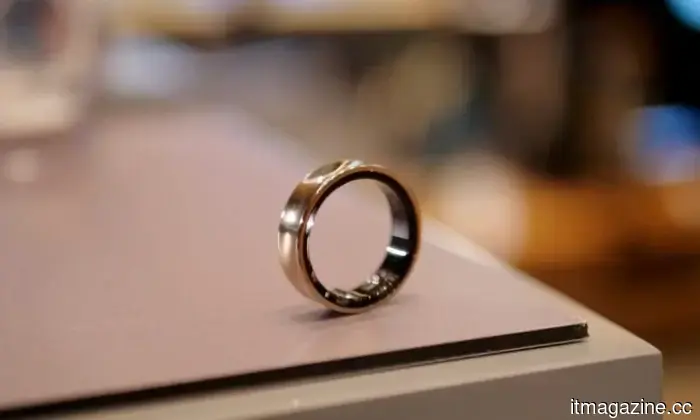
Samsung is developing a new Galaxy Ring that could introduce exciting health monitoring features.
Samsung is working on a new Galaxy Ring, with significant upgrades expected to occur after the device collects health signals in the background. Hon Pak, who heads Samsung's digital health team, informed Forbes that a next-generation ring is currently in progress. Samsung has yet to disclose the name, launch date, pricing, regions, or specifications, so "Galaxy Ring 2" serves only as a shorthand reference for what may be a future product.
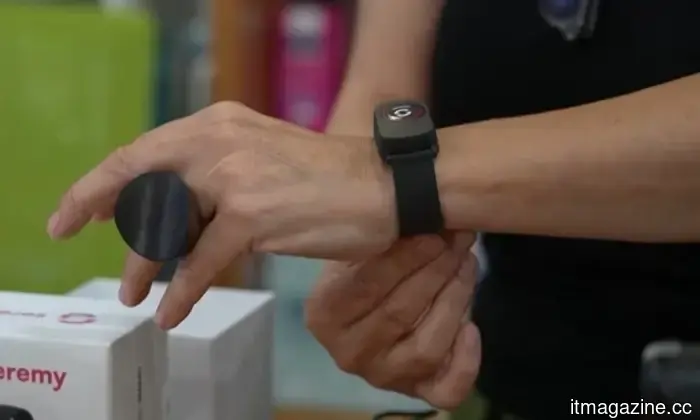
Wearables are aiding the elderly amid record heat in Europe.
In the midst of a heatwave in Europe, simple bracelets are being used to help protect Rome's elderly population. Smartbands and smartwatches are typically thought of as devices for tracking health and physical activities, but in Rome, they are being distributed to senior citizens to ensure their safety during high temperatures. According to Reuters, the city is utilizing electronic bracelets as part of a €400 million support initiative for older residents, funded by EU post-COVID resources, which currently assists around 700 individuals.
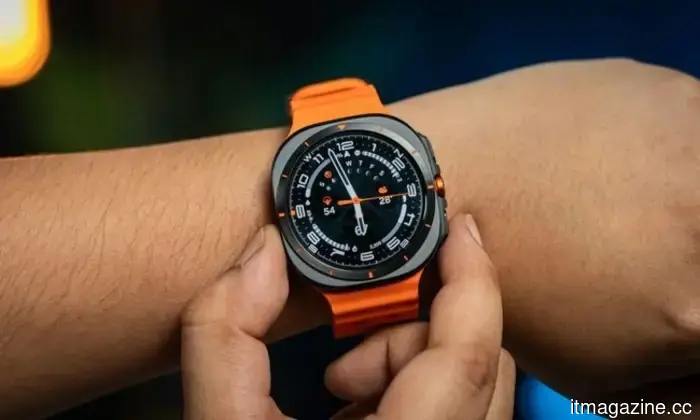
Concerns arise over the upcoming Galaxy Watch Ultra 2 potentially featuring an exceptionally bright display.
One common frustration with smartwatches outside is struggling to see the display in bright sunlight. Whether I’m navigating while walking or checking notifications while cycling, a dim screen can turn an expensive smartwatch into a challenge. This is why the latest leak regarding the Galaxy Watch Ultra 2 caught my attention. However, I had a lingering thought: these upgrades likely won't be inexpensive.



Other articles
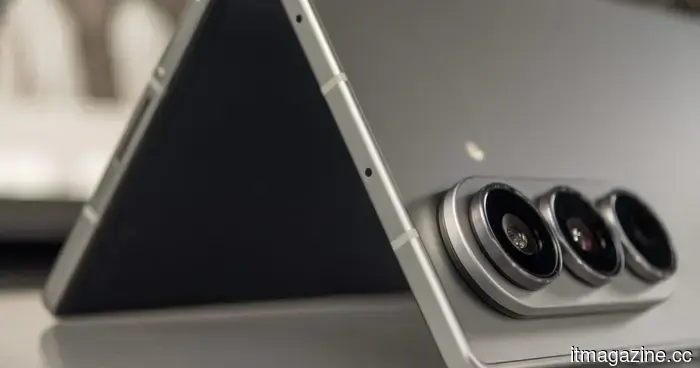 The Galaxy Z Fold 8 could be launching soon, with significant upgrades having recently been revealed.
A recent leak suggests that the Galaxy Z Fold 8 could be released soon, featuring a broader design, a lighter build, a larger battery, and quicker charging capabilities.
The Galaxy Z Fold 8 could be launching soon, with significant upgrades having recently been revealed.
A recent leak suggests that the Galaxy Z Fold 8 could be released soon, featuring a broader design, a lighter build, a larger battery, and quicker charging capabilities.
 The EU has launched an antitrust investigation into Align regarding the tying of Invisalign and its scanners.
The European Commission is looking into whether Align Technology unlawfully links its iTero scanners to its Invisalign clear aligners within the EEA.
The EU has launched an antitrust investigation into Align regarding the tying of Invisalign and its scanners.
The European Commission is looking into whether Align Technology unlawfully links its iTero scanners to its Invisalign clear aligners within the EEA.
 The Bank of England's Breeden cautions that AI agents might lead to market collapses.
BoE Deputy Governor Sarah Breeden states that autonomous AI trading agents could increase volatility if they respond simultaneously, and this may necessitate new regulations.
The Bank of England's Breeden cautions that AI agents might lead to market collapses.
BoE Deputy Governor Sarah Breeden states that autonomous AI trading agents could increase volatility if they respond simultaneously, and this may necessitate new regulations.
 Peacock Premium Plus enters the fray alongside YouTube as the competition for streaming bundles intensifies.
Peacock Premium Plus can now be accessed via YouTube Primetime Channels for a monthly fee of $16.99. However, current Peacock subscribers are advised to review their account and billing information before making the switch.
Peacock Premium Plus enters the fray alongside YouTube as the competition for streaming bundles intensifies.
Peacock Premium Plus can now be accessed via YouTube Primetime Channels for a monthly fee of $16.99. However, current Peacock subscribers are advised to review their account and billing information before making the switch.
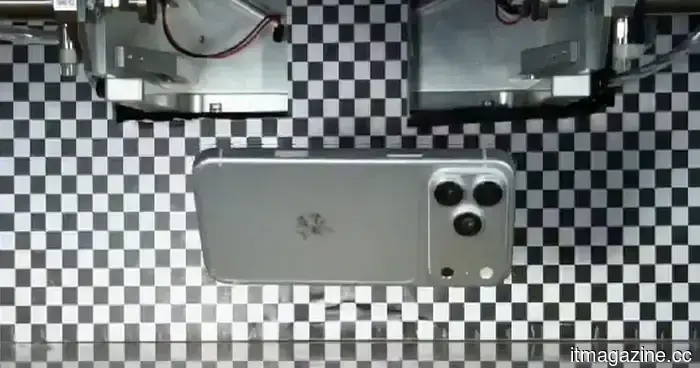 The iPhone 18 Pro has just been revealed through a factory drop test, and Apple is likely not pleased.
Photos and component files from a drop test of the leaked iPhone 18 Pro are said to have emerged from a breach at Tata Electronics, revealing confidential details about Apple's suppliers ahead of the product's release.
The iPhone 18 Pro has just been revealed through a factory drop test, and Apple is likely not pleased.
Photos and component files from a drop test of the leaked iPhone 18 Pro are said to have emerged from a breach at Tata Electronics, revealing confidential details about Apple's suppliers ahead of the product's release.
 India's Equirus is considering a fundraising round of as much as $60 million.
Mumbai-based investment bank Equirus Capital is looking to raise as much as $60 million by issuing new shares and selling stakes, capitalizing on the thriving Indian IPO market.
India's Equirus is considering a fundraising round of as much as $60 million.
Mumbai-based investment bank Equirus Capital is looking to raise as much as $60 million by issuing new shares and selling stakes, capitalizing on the thriving Indian IPO market.
Reservations for the Xreal Aura glasses are now officially available, and they largely adhere to the $1,500 price point.
Reservations for the Xreal Aura are now available, with a maximum price of $1,500, which places the Android XR glasses well below Snap’s Specs by several hundred dollars.