

Apple increases prices for Mac and iPad as the AI memory shortage impacts retail.
The surge in AI technology has largely seemed abstract to many consumers, a tale of data centers and model launches occurring elsewhere. However, this week it became tangible: the price of a Mac. Apple is increasing prices for Macs and iPads in order to cope with the rising costs of memory and storage chips, a consequence of a widespread shortage that the company claims it can no longer bear alone on behalf of its customers.
Tim Cook, who will hand over the CEO position to John Ternus on September 1, expressed this clearly. “Unfortunately, price increases are unavoidable,” he told The Wall Street Journal. “We’re doing our best to mitigate the significant increases that are being passed onto us, and we’ve been trying to protect our customers from these hikes, but the current situation has become unsustainable.”
The issue stems from memory, with AI being the driving force. The demand for memory and storage chips needed for servers has surged as companies rush to expand their AI infrastructure, drawing on supplies that previously were allocated for consumer devices. According to one commonly referenced estimate, data centers are projected to consume as much as 70% of total memory production by 2026. For every ten chips produced, seven are directed toward server farms, leaving phone manufacturers, PC builders, and other consumer electronics to vie for the remaining three.
Cook used a flood analogy to illustrate the extent of the problem, comparing the shortage to a once-in-a-hundred-years flood and noted that he had not witnessed anything like it in over 40 years within the industry. Coming from a CEO known for his expertise in supply chain management, this analogy holds considerable significance: it indicates that the operational issue is beyond the usual parameters.
Some price increases have already been implemented. Apple raised the entry price of the Mac mini from $599 to $799, not by simply rebranding the same model but by removing its lowest-tier variant, effectively achieving the same result on the shelf. This serves as a clear example of how the squeeze affects consumers: not just through a higher price tag on an identical product but also through the subtle elimination of cheaper alternatives.
Cook did not indicate which other products would see price hikes or the extent of those increases, although Macs and iPads are marked as potential next targets. The iPhone is also at risk, with the iPhone 18 Pro and 18 Pro Max, scheduled for release in September, likely to have higher prices compared to the current 17 Pro series, though Apple has yet to confirm specific amounts.
What complicates the situation for Apple is that it is, in a way, footing the bill for its industry’s success. The same demand for AI that has boosted the larger tech sector is now inflating the costs of components in a laptop. The expenses associated with this expansion have now reached the checkout, and for the first time in a while, Apple has opted to pass these costs on to its customers.
Other articles
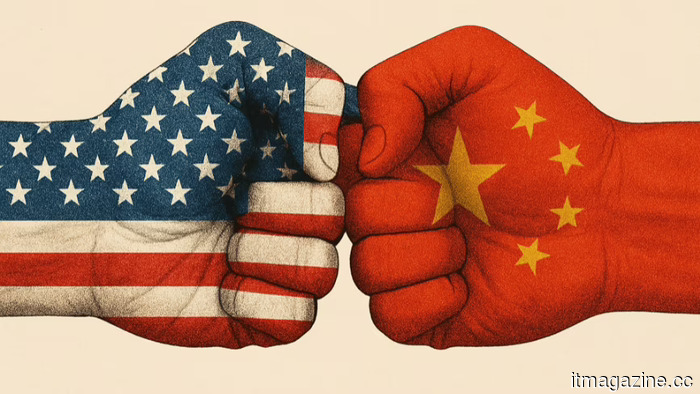 Gotion files lawsuit against Michigan township regarding the abandoned $2.4 billion battery facility.
Green Charter Township recalled its board in an effort to prevent Gotion's $2.36 billion electric vehicle battery plant. The Chinese company is now filing a lawsuit seeking hundreds of millions in damages.
Gotion files lawsuit against Michigan township regarding the abandoned $2.4 billion battery facility.
Green Charter Township recalled its board in an effort to prevent Gotion's $2.36 billion electric vehicle battery plant. The Chinese company is now filing a lawsuit seeking hundreds of millions in damages.
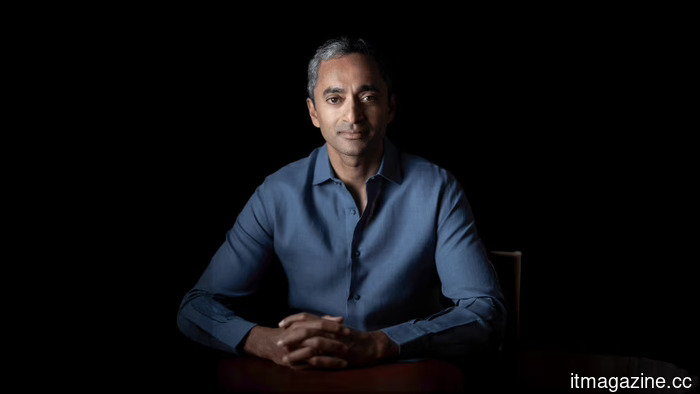 Chamath Palihapitiya: Meta mishandled its position in AI.
Chamath Palihapitiya stated on The Axios Show that Meta mismanaged its advantage in AI, the notion of a jobs apocalypse is a misconception, and his SPAC incentives were not properly aligned.
Chamath Palihapitiya: Meta mishandled its position in AI.
Chamath Palihapitiya stated on The Axios Show that Meta mismanaged its advantage in AI, the notion of a jobs apocalypse is a misconception, and his SPAC incentives were not properly aligned.
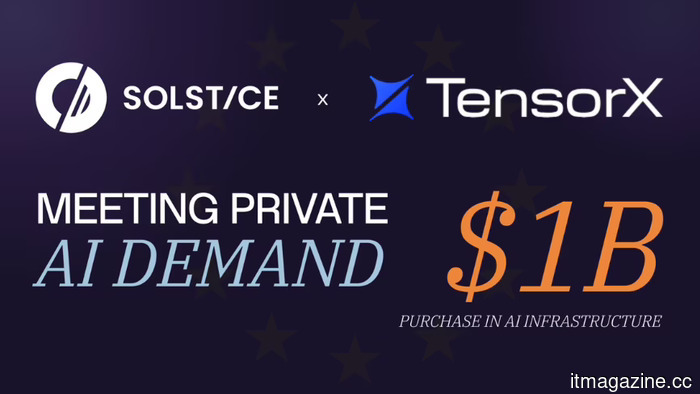 TensorX and Solstice secure $1 billion to fund Europe’s sovereign AI development.
TensorX and Solstice will support EU AI hardware and data centers, and introduce aiUSX, a yield asset that transforms companies' unused AI cash into infrastructure lending.
TensorX and Solstice secure $1 billion to fund Europe’s sovereign AI development.
TensorX and Solstice will support EU AI hardware and data centers, and introduce aiUSX, a yield asset that transforms companies' unused AI cash into infrastructure lending.
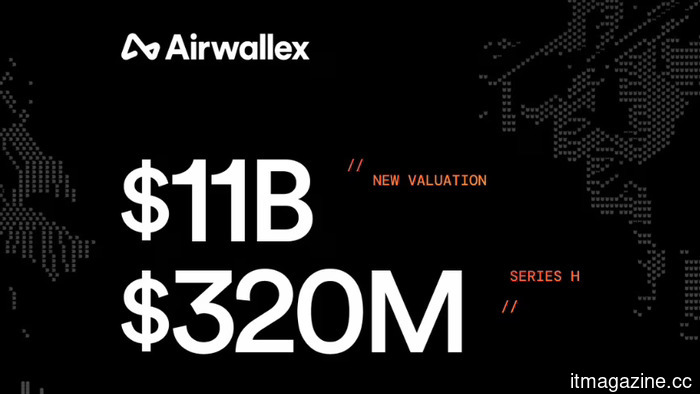 Airwallex secures $320 million, reaching an $11 billion valuation.
Airwallex has secured $320 million at an $11 billion valuation, increasing from $8 billion, and is shifting its focus towards autonomous finance and AI agents that conduct transactions on your behalf.
Airwallex secures $320 million, reaching an $11 billion valuation.
Airwallex has secured $320 million at an $11 billion valuation, increasing from $8 billion, and is shifting its focus towards autonomous finance and AI agents that conduct transactions on your behalf.
 Apple increases the prices of Mac and iPad as the AI memory shortage impacts retail.
Tim Cook states that Apple’s rising prices are ‘inevitable’ due to the increasing demand for memory chips driven by AI, which is leading to higher costs. The starting price of the Mac mini has already risen.
Apple increases the prices of Mac and iPad as the AI memory shortage impacts retail.
Tim Cook states that Apple’s rising prices are ‘inevitable’ due to the increasing demand for memory chips driven by AI, which is leading to higher costs. The starting price of the Mac mini has already risen.
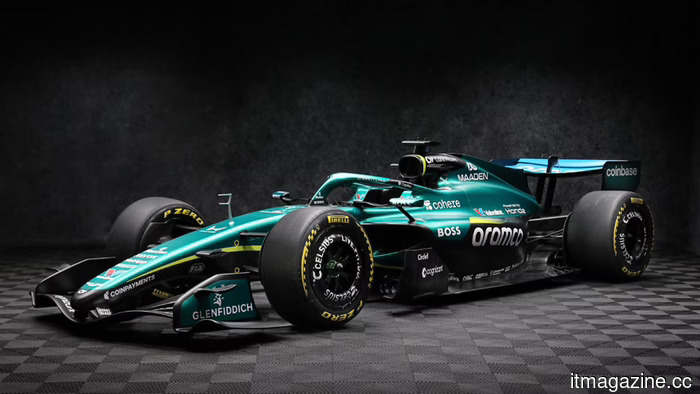 Aston Martin Aramco has appointed Zscaler as its global partner for cybersecurity.
The F1 team will utilize Zscaler’s Zero Trust Exchange to enhance the security of car design, race strategy, and trackside telemetry. The branding will be showcased on the AMR26 in Austria.
Aston Martin Aramco has appointed Zscaler as its global partner for cybersecurity.
The F1 team will utilize Zscaler’s Zero Trust Exchange to enhance the security of car design, race strategy, and trackside telemetry. The branding will be showcased on the AMR26 in Austria.
Apple increases prices for Mac and iPad as the AI memory shortage impacts retail.
Tim Cook states that Apple's price hikes are 'inevitable' due to the rising costs of memory chips driven by AI demand. The starting price of the Mac mini has already increased.