
Google leverages its alumni network to launch a new incubator for AI startups.
Google is creating an incubator for AI startups that leverages its network of former employees, referred to as "Xooglers," as reported by Bloomberg. The idea is straightforward: as some of the firm’s most talented individuals depart to create their own AI businesses, an incubator centered around alumni keeps Google connected to them and whatever they develop next. This initiative complements existing frameworks established by the company.
Google operates the AI Futures Fund, a collaborative project between Google DeepMind and Google Labs that combines equity funding with technical support and early access to DeepMind’s models, typically co-investing up to about $2 million in early-stage frontier startups. Additionally, the Google for Startups accelerators offer equity-free support and are cohort-based. An alumni incubator would introduce a third route specifically targeting individuals familiar with Google’s operations due to their previous employment.
The practical appeal of this focus is evident: former employees require no onboarding to the company’s systems, researchers, or models, which streamlines the relationship-building process and facilitates quicker utilization. This initiative addresses the ongoing talent exodus. Former workers from Google and DeepMind, along with alumni from OpenAI, Anthropic, and xAI, have accumulated hundreds of millions of dollars for ventures that are only a few months old.
Venture capitalists have invested approximately $18.8 billion into AI startups established since the beginning of 2025, predominantly targeting names recognizable from the labs that developed today’s cutting-edge models. For a company witnessing senior researchers leave to start their own operations, an incubator represents a strategy to transform a loss into an early-stage investment.
These departures are not merely theoretical. David Silver, a key player behind AlphaGo, left DeepMind to establish Ineffable Intelligence, a venture supported by Sequoia and Nvidia valued at around $5.1 billion before delivering much of anything. A different group of ex-DeepMind founders raised $20 million for Airspeed’s AI sales agents. Additionally, Nobel laureate John Jumper departed DeepMind for Anthropic, illustrating that the allure is not solely towards entrepreneurship but also towards competition.
In this context, an incubator appears both defensive and opportunistic. If the most ambitious individuals are going to leave regardless, Google would prefer to be the initial investor and top technical partner rather than a passive observer of future funding rounds. This reflects the broader spending philosophy of the company; DeepMind’s CEO has indicated that Google intends to outstrip Microsoft in AI investments, and an alumni program extends that vision from infrastructure to entrepreneurs.
There is a neat symmetry in this setup. The individuals most likely to depart a frontier lab are typically those who understand its tools best, making them precisely the founders a frontier lab would most want to support. An incubator that keeps alumni within Google’s sphere, with access to resources and capital, diminishes the cost of departure while retaining the company’s claim on potential rewards.
Whether former employees view it this way, or if they prefer the independence that initially attracted them away, remains to be seen. The company is reportedly working on the incubator, but details concerning its structure, fund size, investment amounts, and launch timing have yet to be revealed. Google has not provided any public statements.
Other articles
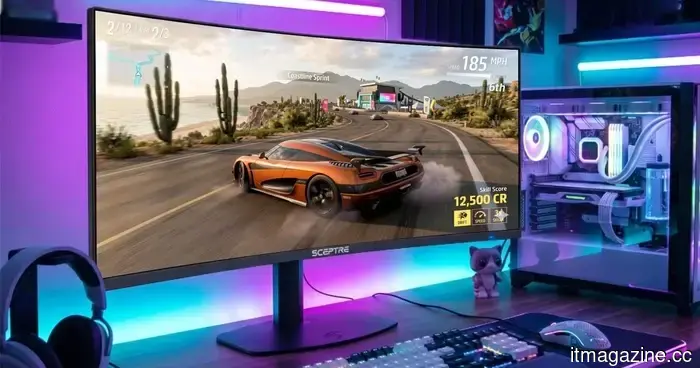 Sceptre Prime Day 2026 Gaming Monitor Discounts: Save Up to $100 on Gaming Displays
Prime Day is an excellent opportunity to enhance your gaming setup, and Sceptre is providing discounts on its range of gaming monitors.
Sceptre Prime Day 2026 Gaming Monitor Discounts: Save Up to $100 on Gaming Displays
Prime Day is an excellent opportunity to enhance your gaming setup, and Sceptre is providing discounts on its range of gaming monitors.
 Prosus has introduced ToqanClaw, a tool builder similar to OpenClaw, aimed at its 5 million merchants.
Prosus has introduced ToqanClaw, a no-code platform that creates business applications through conversations, offering OpenClaw-style tools to over 5 million merchants.
Prosus has introduced ToqanClaw, a tool builder similar to OpenClaw, aimed at its 5 million merchants.
Prosus has introduced ToqanClaw, a no-code platform that creates business applications through conversations, offering OpenClaw-style tools to over 5 million merchants.
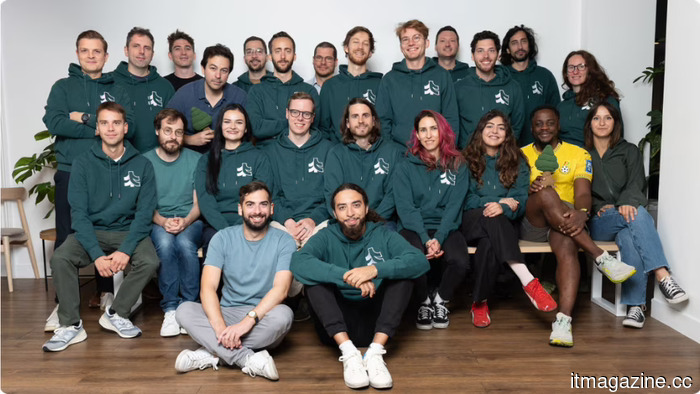 Tsuga secures $35 million to maintain AI-driven observability within the customer's own cloud.
The Paris-based startup Tsuga, founded by former Datadog creators, has successfully secured $35 million in Series A funding, with Singular spearheading the investment, to provide observability solutions within the customer's own cloud environment.
Tsuga secures $35 million to maintain AI-driven observability within the customer's own cloud.
The Paris-based startup Tsuga, founded by former Datadog creators, has successfully secured $35 million in Series A funding, with Singular spearheading the investment, to provide observability solutions within the customer's own cloud environment.
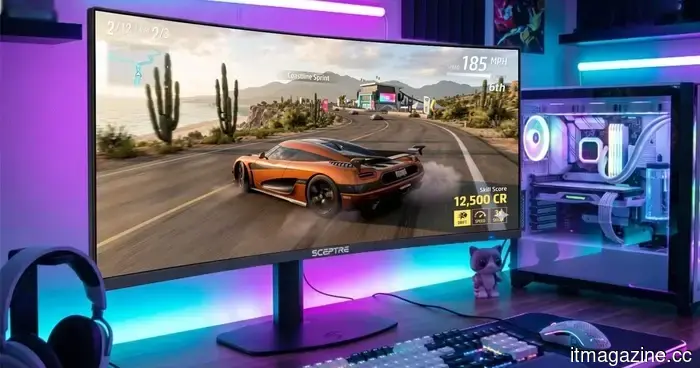 Sceptre Prime Day 2026 Deals on Gaming Monitors: Save Up to $100 on Gaming Displays
Prime Day is an excellent opportunity to enhance your gaming setup, and Sceptre is providing discounts on its range of gaming monitors.
Sceptre Prime Day 2026 Deals on Gaming Monitors: Save Up to $100 on Gaming Displays
Prime Day is an excellent opportunity to enhance your gaming setup, and Sceptre is providing discounts on its range of gaming monitors.
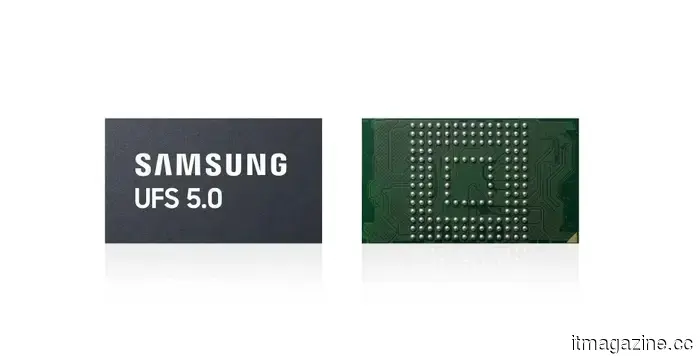 Samsung's latest UFS 5.0 chip offers enhanced on-device AI performance and improves your smartphone's battery life.
Samsung has introduced its quickest UFS 5.0 storage chip to date, achieving transfer speeds of 10.8GB per second to enhance on-device AI performance.
Samsung's latest UFS 5.0 chip offers enhanced on-device AI performance and improves your smartphone's battery life.
Samsung has introduced its quickest UFS 5.0 storage chip to date, achieving transfer speeds of 10.8GB per second to enhance on-device AI performance.
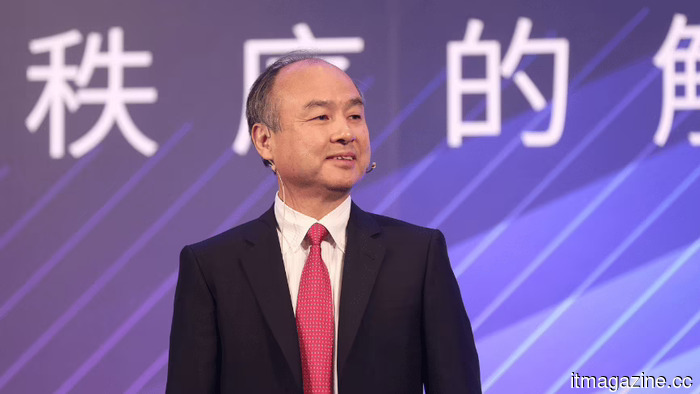 Masayoshi Son regards Musk's space data centers as a gamble in the AI competition.
SoftBank's founder, Masayoshi Son, regards orbital data centers, a concept promoted by Elon Musk, as having minimal value, and he believes that the race for AI will be determined by computing resources located on Earth.
Masayoshi Son regards Musk's space data centers as a gamble in the AI competition.
SoftBank's founder, Masayoshi Son, regards orbital data centers, a concept promoted by Elon Musk, as having minimal value, and he believes that the race for AI will be determined by computing resources located on Earth.
Google leverages its alumni network to launch a new incubator for AI startups.
According to Bloomberg, Google is establishing an AI startup incubator leveraging its network of former employees, as past staff members depart to create their own businesses.