

UPS allocates $48 million towards cold chain development in response to the increasing demand for biologics.
UPS is committing $48 million to establish 27 temperature-controlled freight facilities across the Americas, Europe, and Asia in response to the growing demand for biologics and GLP-1 medications that are transforming pharmaceutical logistics. The company aims to achieve $20 billion in healthcare revenue by the end of 2026.
The new facilities will serve as short-term storage points for air and ground transport, ensuring specific temperature requirements of 2 to 8 degrees Celsius, 15 to 25 degrees Celsius, and sub-zero conditions are maintained, as stated by the company.
This investment is part of UPS's larger strategic shift to create a real-time digital twin of its logistics network and encompasses billions spent on acquisitions to establish itself as a leader in complex healthcare logistics. The company anticipates that healthcare will account for about 18 percent of its total sales by 2026.
The importance of cold chain logistics has become increasingly significant as the pharmaceutical sector moves towards temperature-sensitive drugs. Currently, about one-third of newly approved medications are biologics, with over 85 percent requiring temperature-controlled environments, according to PharmaSource.
The market for temperature-sensitive biologics is expected to grow at a compound annual growth rate of 8.3 percent until 2033, potentially reaching $39.1 billion, driven primarily by GLP-1 injectables like Novo Nordisk’s Wegovy and Eli Lilly’s Zepbound, along with developments in cell and gene therapies, and mRNA technologies.
Cold chain failures pose a significant financial risk, with industry estimates suggesting that the global cost of temperature mismanagement could be as high as $35 billion each year. Additionally, the World Health Organization has claimed that inadequate temperature control could lead to up to 50 percent of global vaccine waste.
“We have aligned our investments with the specialized requirements of our healthcare clients,” commented Kate Gutmann, executive vice president and president of international, healthcare, and supply chain solutions at UPS. “Our goal is to facilitate patient access to essential medications and treatments.”
The expansion of cross-dock facilities builds on strategic acquisitions that have repositioned UPS Healthcare from a peripheral operation to a central growth driver. For instance, UPS invested $1.6 billion to acquire Canada’s Andlauer Healthcare Group in 2025, enhancing its cold chain transportation capabilities across North America.
Prior acquisitions included Italy’s Bomi Group, which contributed temperature-controlled facilities across 14 countries and added over 350 refrigerated vehicles, as well as European cold chain providers Frigo Trans and BPL. UPS also extended its Incheon air hub in South Korea, a market that imported nearly $9.7 billion in pharmaceutical products in 2025.
Now, UPS Healthcare operates 19.2 million square feet of cGMP and GDP-compliant distribution space worldwide. The unit recorded its first $3 billion revenue quarter in the first quarter of 2026, positioning it to reach the $20 billion annual revenue goal set by CEO Carol Tomé when she prioritized healthcare as the company's main strategic focus.
With the pharmaceutical industry pipeline indicating heightened demand, especially as AI-developed therapies and digital patient pathways make more temperature-sensitive treatments available, parcel companies capable of maintaining strict temperature conditions—like 4 degrees Celsius from a factory in Basel to a clinic in Seoul—will have established a logistical advantage that is challenging to replicate.
Other articles
 OpenAI's minimal balance sheet encounters a challenging prospect for an IPO.
OpenAI holds no debt and has only $46 million in quarterly capital expenditures. As it approaches its IPO, this seemingly pristine balance sheet is raising questions rather than supporting the pitch.
OpenAI's minimal balance sheet encounters a challenging prospect for an IPO.
OpenAI holds no debt and has only $46 million in quarterly capital expenditures. As it approaches its IPO, this seemingly pristine balance sheet is raising questions rather than supporting the pitch.
 UPS allocates $48 million to cold chain investments amid the rise in biologics.
UPS is enhancing 27 temperature-controlled freight centers across three continents due to the rising demand for biologics and GLP-1 medications, which is fueling a boom in the pharmaceutical cold chain market.
UPS allocates $48 million to cold chain investments amid the rise in biologics.
UPS is enhancing 27 temperature-controlled freight centers across three continents due to the rising demand for biologics and GLP-1 medications, which is fueling a boom in the pharmaceutical cold chain market.
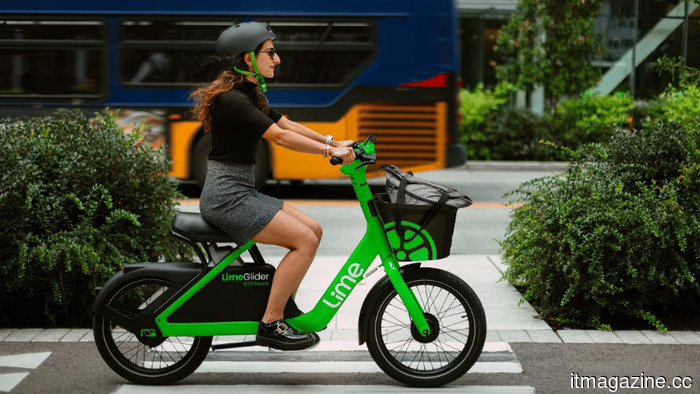 Lime IPO: Uber plays a key role in the scooter company's market launch.
The Lime IPO is priced at a maximum of $180.9 million, with Uber, a longstanding supporter, expected to anchor the deal at approximately a $1.8 billion valuation.
Lime IPO: Uber plays a key role in the scooter company's market launch.
The Lime IPO is priced at a maximum of $180.9 million, with Uber, a longstanding supporter, expected to anchor the deal at approximately a $1.8 billion valuation.
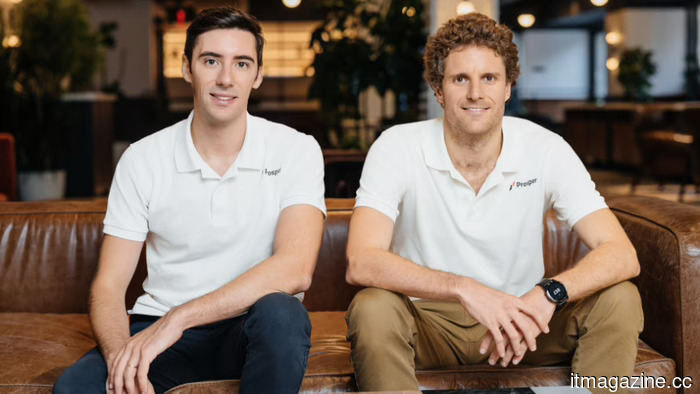 Prosper AI secures $30 million in funding from a16z to streamline the patient journey through automation.
Prosper AI, which operates in both Madrid and New York, has secured $30 million in a Series A funding round led by Andreessen Horowitz to expand its healthcare voice AI capabilities beyond just scheduling.
Prosper AI secures $30 million in funding from a16z to streamline the patient journey through automation.
Prosper AI, which operates in both Madrid and New York, has secured $30 million in a Series A funding round led by Andreessen Horowitz to expand its healthcare voice AI capabilities beyond just scheduling.
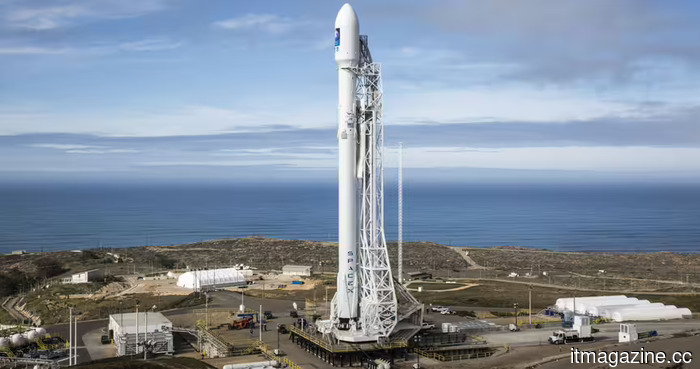 SpaceX launches its first sale of investment-grade bonds.
Just days after its record-breaking IPO, SpaceX is set to raise at least $20 billion through its inaugural investment-grade bond sale to finance a significant expansion of its AI data center.
SpaceX launches its first sale of investment-grade bonds.
Just days after its record-breaking IPO, SpaceX is set to raise at least $20 billion through its inaugural investment-grade bond sale to finance a significant expansion of its AI data center.
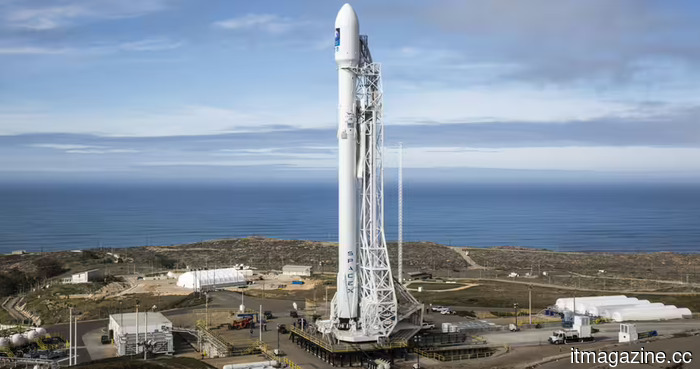 SpaceX launches its first sale of investment-grade bonds.
A few days following its historic IPO, SpaceX is securing a minimum of $20 billion through its initial investment-grade bond sale to finance a significant expansion of its AI data center.
SpaceX launches its first sale of investment-grade bonds.
A few days following its historic IPO, SpaceX is securing a minimum of $20 billion through its initial investment-grade bond sale to finance a significant expansion of its AI data center.
UPS allocates $48 million towards cold chain development in response to the increasing demand for biologics.
UPS is enhancing 27 temperature-sensitive freight hubs across three continents in response to the increasing demand for biologics and GLP-1 medications, which is fueling growth in the pharmaceutical cold chain industry.