

Robinhood is securing $2 billion through zero-coupon convertible bonds to repurchase its own stock.
TL;DR Robinhood intends to issue $2 billion in zero-coupon convertible notes due 2029, with funds earmarked for share buybacks and capped calls to mitigate dilution.
Robinhood Markets is set to raise two billion dollars through the issuance of convertible senior notes maturing in October 2029, part of a wave of zero-coupon convertibles from tech firms hoping investors will accept no interest for the potential of equity upside. According to Bloomberg, Goldman Sachs and JPMorgan are managing the offering, which includes a greenshoe option that may increase the total to $2.2 billion.
The notes feature a zero percent coupon, meaning Robinhood incurs no interest costs throughout the debt's duration. The conversion premium is anticipated to be between 60 and 65 percent above the stock’s reference price, indicative of confidence in the share price trajectory while also reflecting the current favorable conditions for issuers in the convertible market.
Approximately $300 million of the raised capital will be allocated for share buybacks to counteract potential dilution from conversion. In addition, Robinhood is buying capped call options with a cap premium around 125 percent, a hedging strategy that limits the number of shares the company would need to issue if the stock price exceeds the conversion price. This combination of buybacks and capped calls is a typical strategy for convertible issuers looking to generate capital without immediately increasing their share count.
After the announcement, Robinhood's stock declined about four percent, a common market reaction to the issuance of equity-linked debt. This drop suggests that investors are factoring in potential dilution, even with the hedging strategies in place. At heart, convertible bonds represent a gamble by both parties that the stock will significantly appreciate by the maturity date.
The timing of this offering is intentional, as the convertible bond market is currently experiencing one of its strongest periods in years, with $34 billion issued in the first four months of 2026 alone, likely to exceed the record $120 billion set in 2025. About $65 billion of convertible notes from the pandemic era are maturing this year, allowing capital to flow into new deals and sustaining investor interest.
Zero-coupon convertibles have gained traction among tech companies. Firms like Rubrik, GameStop, and Tempus AI have recently issued zero-coupon notes, capitalizing on a market where investors are willing to forgo income for potential equity benefits. Lenovo raised $2 billion through similar instruments just last week, using the proceeds for refinancing existing debt and buybacks.
For Robinhood, this offering comes at a complex time. The company posted first-quarter 2026 revenues of $1,070 million, a 15 percent increase year-over-year, but below the $1,140 million anticipated by Wall Street. Crypto trading revenues plummeted by 47 percent to $134 million as digital asset volumes fell in tandem with decreasing token prices.
This revenue miss is significant given that Robinhood had been experiencing growth. The firm achieved a record of over 27 million funded accounts in the quarter and increased its Gold subscriber base by 36 percent to over four million. However, the poor revenue figure and the weak performance in crypto highlights the platform's ongoing reliance on volatile trading for substantial income.
The bond sale also follows closely after Robinhood reduced its workforce by approximately 10 percent, laying off around 300 employees. CEO Vlad Tenev described these layoffs as a strategy to “remain lean and disciplined” while forecasting annual savings of about $120 million, alongside one-time restructuring costs of $20 million in cash and $8 million in equity compensation. Unlike Coinbase, which attributed its recent layoffs to an AI-driven restructuring, Tenev did not mention artificial intelligence, a distinction that captured attention in an industry where AI-related layoffs have become commonplace.
The simultaneous staff cuts and $2 billion debt issuance tells an interesting story. The layoffs aim to lower operating expenses, the bond sale generates capital at zero interest, and the buybacks help sustain the stock price. Collectively, these actions suggest a company adjusting its balance sheet for growth while tightening its cost structure.
Robinhood is expanding aggressively beyond its primary stock trading app. The firm launched an AI-driven trading platform in May that enables users to connect AI agents to their brokerage accounts for autonomous trading. It also unveiled a virtual credit card for AI agents, a Gold Card offering three percent cashback, and a $695-per-year Platinum Card, broadening a product lineup that now includes securities trading, crypto, derivatives, credit cards, and AI-enabled investing.
This expansion requires financing, and zero-coupon convertibles are among the most cost-effective methods for acquiring it. By borrowing $2 billion interest-free until 2029, Robinhood can either convert the notes into equity at a high premium or repay them at par. Should the stock appreciate enough, investors benefit from conversion; if it does not, Robinhood gains access to two billion dollars of interest-free capital for three years.
The primary risk for existing shareholders is
Other articles
 Google puts $75 million into A24 as DeepMind initiates a research partnership focused on AI filmmaking.
Google is investing about $75 million in A24, the independent studio responsible for Backrooms, as part of a new collaboration with its DeepMind AI laboratory.
Google puts $75 million into A24 as DeepMind initiates a research partnership focused on AI filmmaking.
Google is investing about $75 million in A24, the independent studio responsible for Backrooms, as part of a new collaboration with its DeepMind AI laboratory.
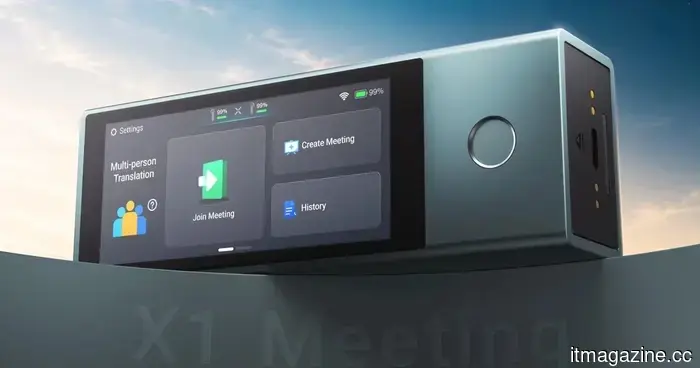 Timekettle's latest X1 Meeting Hub offers real-time translation for up to 50 individuals and is compact enough to fit in your pocket.
Priced at $849 and weighing 199 grams, the Timekettle X1 Meeting Hub aims to serve as a substitute for traditional professional interpretation systems in your upcoming multilingual meetings.
Timekettle's latest X1 Meeting Hub offers real-time translation for up to 50 individuals and is compact enough to fit in your pocket.
Priced at $849 and weighing 199 grams, the Timekettle X1 Meeting Hub aims to serve as a substitute for traditional professional interpretation systems in your upcoming multilingual meetings.
 This modular robot lawn mower can manage up to 6 acres and is currently $1,000 discounted for Prime Day.
Amazon Prime Day This article is part of the Digital Trends Prime Day 2026 coverage Updated less than 4 hours ago This content is created in collaboration with YARBO. If you have been considering the cost of a robot mower for a truly expansive property, Prime Day has simplified your calculations. The YARBO Robot […]
This modular robot lawn mower can manage up to 6 acres and is currently $1,000 discounted for Prime Day.
Amazon Prime Day This article is part of the Digital Trends Prime Day 2026 coverage Updated less than 4 hours ago This content is created in collaboration with YARBO. If you have been considering the cost of a robot mower for a truly expansive property, Prime Day has simplified your calculations. The YARBO Robot […]
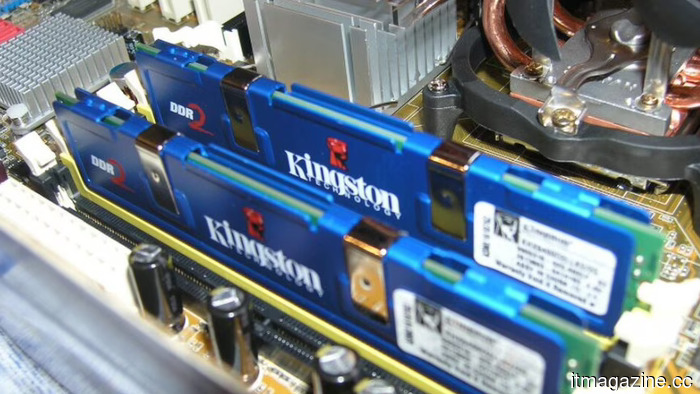 The AI memory crisis has now affected DDR2, a standard established in 2003, resulting in a 60% increase in prices.
TrendForce reports that in the second quarter, DDR2 contract prices increased by 55-60% as hardware manufacturers resorted to using older memory generations to address DRAM shortages driven by AI.
The AI memory crisis has now affected DDR2, a standard established in 2003, resulting in a 60% increase in prices.
TrendForce reports that in the second quarter, DDR2 contract prices increased by 55-60% as hardware manufacturers resorted to using older memory generations to address DRAM shortages driven by AI.
 Two cordless massagers designed for those who spend long hours at their desks: Available at a discount for Prime Day.
This post is sponsored by SKG. If you’ve ever purchased a device that was ultimately left unused in a drawer, these two products are designed to prevent that from happening. The SKG W9 Ultra 2.0 Lower Back Massager and the G7 Pro Fold 3.0 Neck Massager are currently available on sale on Amazon, and both are intended to […]
Two cordless massagers designed for those who spend long hours at their desks: Available at a discount for Prime Day.
This post is sponsored by SKG. If you’ve ever purchased a device that was ultimately left unused in a drawer, these two products are designed to prevent that from happening. The SKG W9 Ultra 2.0 Lower Back Massager and the G7 Pro Fold 3.0 Neck Massager are currently available on sale on Amazon, and both are intended to […]
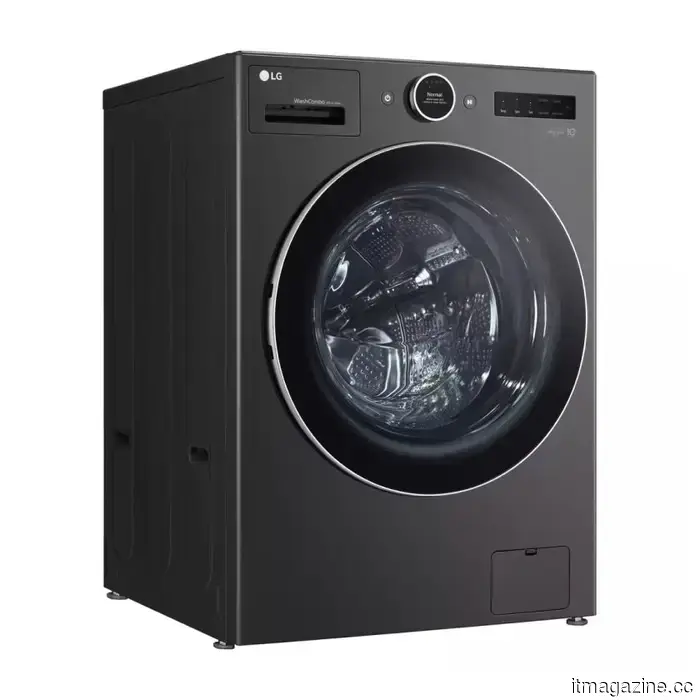 32 Prime Day Enhancements You Should Consider Adding to Your Cart - Digital Trends
This gift guide includes some sponsored content. Why should you trust us? Presented by Prime Day, this guide offers numerous chances to enhance your everyday products. These standout selections provide practical advantages, clever design, and excellent value—making them top deals that are definitely worth adding to your cart. Sponsored Beatbot AquaSense 2 Pro […]
32 Prime Day Enhancements You Should Consider Adding to Your Cart - Digital Trends
This gift guide includes some sponsored content. Why should you trust us? Presented by Prime Day, this guide offers numerous chances to enhance your everyday products. These standout selections provide practical advantages, clever design, and excellent value—making them top deals that are definitely worth adding to your cart. Sponsored Beatbot AquaSense 2 Pro […]
Robinhood is securing $2 billion through zero-coupon convertible bonds to repurchase its own stock.
Robinhood is issuing $2 billion in convertible notes with a due date in 2029, featuring no coupon and a premium of 60-65%. They plan to use a portion of the proceeds for stock buybacks and capped calls.