
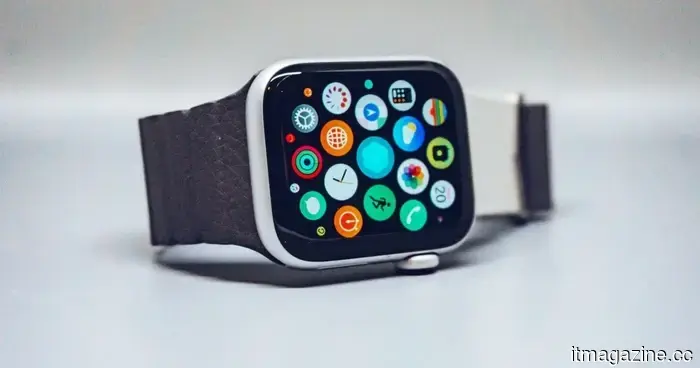
I have a deep appreciation for Apple, but this choice regarding watchOS could be the tipping point for me.
I’ve been using Apple products for as long as I can remember. Some of my earliest tech memories include receiving an iPod from my father when I was a child, and from that point, I was hooked. Shortly after, I acquired Apple’s second-generation iPad, and since then, I’ve predominantly immersed myself in Apple’s ecosystem. Fast-forward to today, and not much has changed. My daily setup revolves almost entirely around Apple devices. I rely on an iPhone 17 as my main phone, a MacBook Air M2 for work, an Apple Watch SE (2nd generation) on my wrist, AirPods Pro 2 in my ears, and an iPad mini whenever I wish for a larger screen than my iPhone. The ecosystem functions well, and it's a major reason I’ve remained a loyal customer for so long. However, just because I've been an Apple user for a long time does not mean I believe the company gets everything right.
One thing I've come to realize over the years is that Apple often takes its time adopting features that Android users have enjoyed for quite some time. Whether it pertains to customization options, AI features, or everyday quality-of-life enhancements, iPhone users are generally expected to wait patiently while Apple develops its own versions of these ideas. Most of the time, I’ve been willing to be patient because the final result tends to be sufficiently refined to justify the wait. However, there’s a notable difference between waiting for a feature and feeling as though your device is being left behind. Lately, I’ve been feeling this way about my Apple Watch SE (2nd generation). For the first time in a considerable while, I’ve found myself questioning whether Apple is asking too much from some of its most devoted customers.
The upgrade I never wanted
Before explaining my frustration regarding my SE 2 not receiving watchOS 27, there’s some background worth mentioning: I never intended to buy this watch in the first place. I was completely satisfied with my Apple Watch SE (1st generation). It met all my needs, and an upgrade wasn’t even on my radar. Then, the screen suddenly developed an issue. I considered a repair option, but that went nowhere, and eventually, I had no choice but to replace it. That’s how I ended up with the SE 2. To clarify, I wasn’t chasing the latest smartwatch or searching for a reason to upgrade. I simply wanted another Apple Watch that would fit into my existing setup and manage the functions I truly care about. For my purposes, the SE 2 was ideal. It provided the familiar Apple Watch experience without requiring me to spend top dollar on features I knew I would hardly use. And it has been excellent.
Every day it tracks my workouts, counts my steps, monitors my heart rate, records my runs, and keeps up with everything I throw at it. Even now, it feels fast, reliable, and completely capable. Nothing about using it indicates that it's approaching the end of its life. That’s why Apple’s decision is so disappointing. For me, owning a device isn’t solely about whether it still functions. Part of the experience is watching it evolve through software updates, trying new features, and seeing the product improve over time. This is one of the reasons I’ve remained committed to the Apple ecosystem for so long. I know that without watchOS 27, my watch won’t suddenly stop working. It will continue to track my workouts and manage the basics without issue. But it will also stop progressing. While newer Apple Watches receive new features and enhancements, my SE 2 will essentially be left behind.
Five models, cut off simultaneously
During the WWDC26 keynote, Apple announced that watchOS 27 would be available for the Apple Watch Series 9, Series 10, Series 11, Ultra 2, Ultra 3, and the SE (3rd generation). The Series 8, Series 7, Series 6, the original Ultra, and my SE 2 did not make the list. Perhaps I would understand the decision more if my watch felt slow, outdated, or incapable. But it doesn't. Every morning when I put it on, it performs exactly as I need it to. This is why it’s hard not to feel inclined toward another upgrade, not because I require one, but simply to stay current.
Seeing Apple drop support for five models simultaneously doesn’t sit well with me because it seems contrary to the purpose of software updates. I’ve always viewed a major update as a way to revitalize existing hardware. The whole idea is for your device to remain the same while you gain new features, an upgraded experience, and enhancements that make it feel more modern than it did the day before. That’s part of the allure of owning technology that receives long-term support.
The all-or-nothing dilemma
I understand Apple’s reasoning to a degree. Many of watchOS 27’s features rely on AI
Other articles
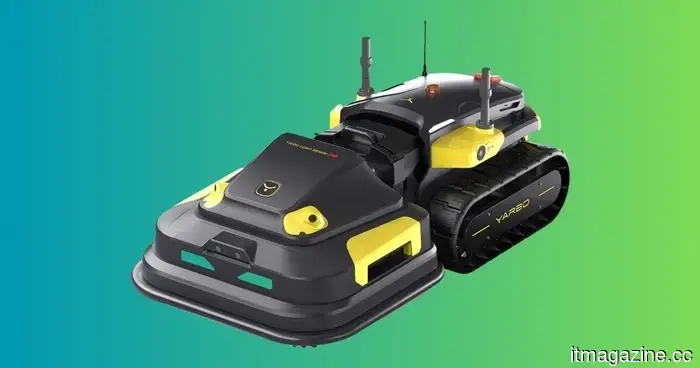 This modular robotic lawn mower can manage up to 6 acres and is available for $1,000 less during Prime Day.
Amazon Prime Day This article is included in the Digital Trends Prime Day 2026 coverage Updated less than 4 hours ago This content is provided in a paid collaboration with YARBO. If you’ve been evaluating options for a robot mower for an expansive property, Prime Day has simplified the calculations. The YARBO Robot […]
This modular robotic lawn mower can manage up to 6 acres and is available for $1,000 less during Prime Day.
Amazon Prime Day This article is included in the Digital Trends Prime Day 2026 coverage Updated less than 4 hours ago This content is provided in a paid collaboration with YARBO. If you’ve been evaluating options for a robot mower for an expansive property, Prime Day has simplified the calculations. The YARBO Robot […]
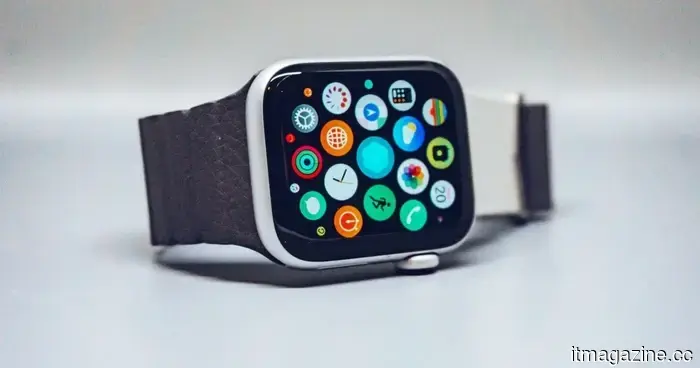 I really like Apple, but this decision regarding watchOS could be the tipping point for me.
My Apple Watch SE 2 is still functioning well. So why does it seem outdated already? Why, Apple, why?
I really like Apple, but this decision regarding watchOS could be the tipping point for me.
My Apple Watch SE 2 is still functioning well. So why does it seem outdated already? Why, Apple, why?
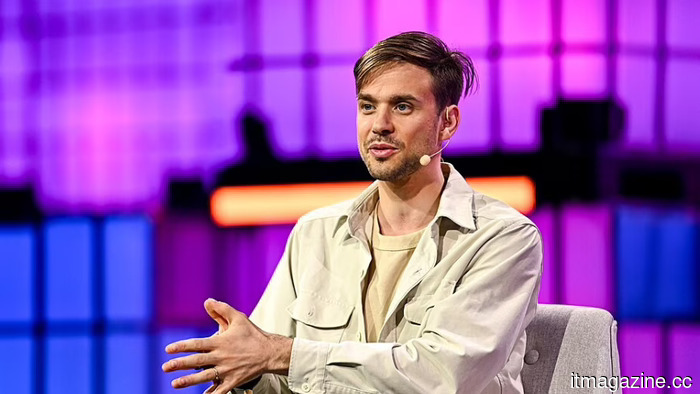 The CEO of Lovable states that the issue facing Europe's AI startups is a lack of confidence rather than a lack of talent.
Anton Osika from Lovable asserts that European entrepreneurs can establish global AI companies without relying on Silicon Valley, using his own startup with a $500 million ARR as evidence.
The CEO of Lovable states that the issue facing Europe's AI startups is a lack of confidence rather than a lack of talent.
Anton Osika from Lovable asserts that European entrepreneurs can establish global AI companies without relying on Silicon Valley, using his own startup with a $500 million ARR as evidence.
 Google puts $75 million into A24 as DeepMind initiates a research partnership focused on AI filmmaking.
Google is investing about $75 million in A24, the independent studio responsible for Backrooms, as part of a new collaboration with its DeepMind AI laboratory.
Google puts $75 million into A24 as DeepMind initiates a research partnership focused on AI filmmaking.
Google is investing about $75 million in A24, the independent studio responsible for Backrooms, as part of a new collaboration with its DeepMind AI laboratory.
 A Tesla operating on Autopilot crashed into a house in Texas. Unfortunately, the woman inside did not make it.
A 76-year-old woman from Texas passed away after a driver of a Tesla Model 3, operating on Autopilot, collided with her residence. The NHTSA is initiating a special investigation into the crash.
A Tesla operating on Autopilot crashed into a house in Texas. Unfortunately, the woman inside did not make it.
A 76-year-old woman from Texas passed away after a driver of a Tesla Model 3, operating on Autopilot, collided with her residence. The NHTSA is initiating a special investigation into the crash.
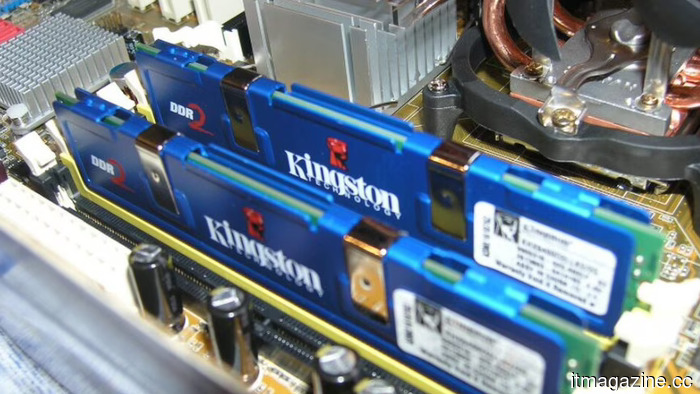 The AI memory crisis has now affected DDR2, a standard established in 2003, resulting in a 60% increase in prices.
TrendForce reports that in the second quarter, DDR2 contract prices increased by 55-60% as hardware manufacturers resorted to using older memory generations to address DRAM shortages driven by AI.
The AI memory crisis has now affected DDR2, a standard established in 2003, resulting in a 60% increase in prices.
TrendForce reports that in the second quarter, DDR2 contract prices increased by 55-60% as hardware manufacturers resorted to using older memory generations to address DRAM shortages driven by AI.
I have a deep appreciation for Apple, but this choice regarding watchOS could be the tipping point for me.
My Apple Watch SE 2 is still functioning well. So why does it seem outdated already? Why, Apple, why?