
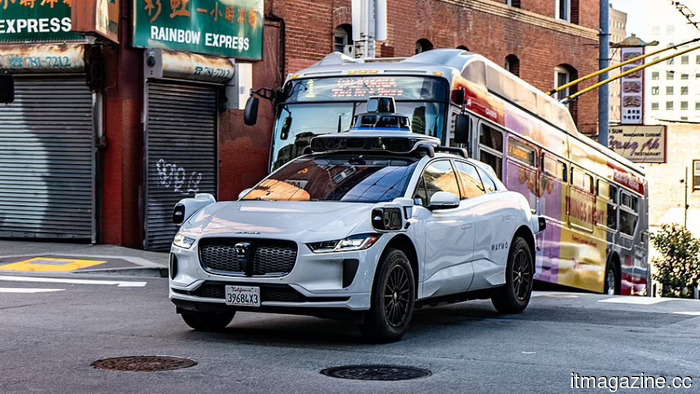
New York City has triumphed over Waymo, thanks to the influence of the taxi lobby.
**Summary:** Waymo has been prevented from entering New York City by Mayor Mamdani, the taxi lobby, and labor unions. Following public backlash, Governor Hochul retracted her statewide robotaxi proposal that excluded NYC. Despite providing over 500,000 paid rides weekly in 10 U.S. cities and raising $16 billion in February, Waymo cannot operate in NYC due to political factors rather than technical ones.
The New York Times noted that local politicians, labor unions, and a powerful taxi lobby have blocked Waymo from accessing the largest and most lucrative ride-hailing market in the U.S. The opposition is deeply entrenched and structural, not just a temporary obstacle.
Governor Kathy Hochul previously proposed a budget in January aiming to legalize robotaxi pilots throughout New York state, while excluding NYC. However, she withdrew it a month later following intense pushback from driver groups, transit workers, and state lawmakers. A spokesperson for the governor conveyed that there was insufficient support for the proposal.
Newly elected NYC Mayor Zohran Mamdani, who previously supported taxi drivers in protests, chose not to renew Waymo’s testing permit, which lapsed on March 31. This permit had been granted by former Mayor Eric Adams in August 2022 and allowed Waymo to test eight Jaguar I-PACE cars in Manhattan and downtown Brooklyn. There were no reported collisions during these tests, according to the NYC Department of Transportation, but this did not alter the political stance.
Waymo's global head of public policy, Justin Kintz, expressed the company's intent to engage with stakeholders and admitted that gaining trust from certain groups may take time. The company has spent over $1.8 million on lobbying New York state officials since 2019 and recently hired The Parkside Group for $15,000 monthly to lobby for autonomous vehicle legislation, but it hasn't resulted in any progress.
This situation highlights the broader challenges in the robotaxi sector, where companies must negotiate for approval in each state and city, leading to a fragmented regulatory landscape that grants local politicians significant veto power. Legislative efforts have stalled in eight states, including New York, Virginia, Oregon, and Minnesota, even as 18 states currently permit fully driverless commercial operations.
Waymo has a clean technical record in New York, but its overall safety record is mixed. Recently, the company issued its sixth recall after robotaxis entered highway construction zones 13 times in Phoenix and the San Francisco Bay Area, with a rider describing a near-death experience during one incident. Waymo responded with free rides valued at up to $40 each.
These recalls provide supporting arguments for Waymo's critics in New York, with New York Magazine suggesting that proving the vehicles' safety would be crucial in changing the Mamdani administration's stance. Demonstrating this is challenging as the company is currently restricting its fleet from highways due to software limitations affecting detection of cones and closure signs.
The economic implications are significant, as Waymo aims to roll out its new, more affordable Ojai robotaxi and achieve one million weekly rides by the end of 2026, with aspirations for expansion into more than 20 additional cities, including international locales. New York City, with its vast number of for-hire vehicle drivers and a multi-billion dollar taxi industry, represents its most valuable market.
However, the city's taxi medallion system has previously faced a near collapse due to the disruptive impact of Uber and Lyft, which drove medallion values down from over $1 million to below $200,000 within a decade. Taxi drivers who recovered from that situation are wary of further disruptions. The New York Taxi Workers Alliance, which represents around 28,000 drivers, views the opposition to robotaxis as a labor rights issue.
While Waymo awaits a resolution, the competitive landscape is evolving. GM is revamping its autonomous vehicle program after dissolving the $10 billion Cruise division, Tesla has initiated a limited robotaxi service in Austin, and Amazon's Zoox operates in San Francisco and Las Vegas. Yet, none of these companies are currently in New York, indicating that the city's resistance is a broader industry challenge rather than a specific obstacle for Waymo.
As it stands, Waymo's $16 billion in funding and its weekly rides have not secured access to the critical market of New York City. The company's strategy of patience and lobbying may eventually yield results, but in a city where taxi drivers have strong political allies among the mayor, state legislature, and labor movement, achieving success could take years.
Other articles
 Hackers took control of Brazil's emergency alert system and sent a message of 'misanthropy' to millions of mobile phones.
Brazil's civil defense alert system was compromised overnight, transmitting fraudulent extreme alerts featuring the term "misantropi4" to numerous phones in various states.
Hackers took control of Brazil's emergency alert system and sent a message of 'misanthropy' to millions of mobile phones.
Brazil's civil defense alert system was compromised overnight, transmitting fraudulent extreme alerts featuring the term "misantropi4" to numerous phones in various states.
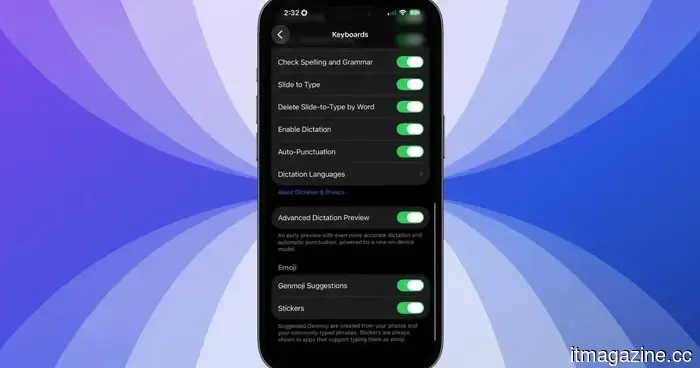 iOS 27 offers an improved dictation experience on your iPhone, and you need to activate it.
iOS 27 discreetly introduces two dictation systems. The superior option is turned off by default, needs 12GB of RAM, and most users are unlikely to realize it needs to be activated.
iOS 27 offers an improved dictation experience on your iPhone, and you need to activate it.
iOS 27 discreetly introduces two dictation systems. The superior option is turned off by default, needs 12GB of RAM, and most users are unlikely to realize it needs to be activated.
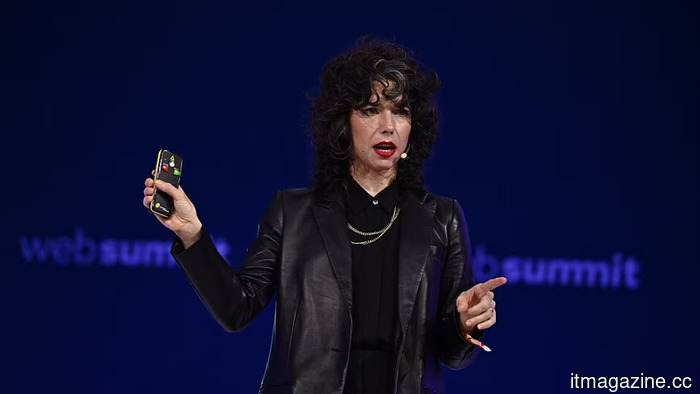 Meredith Whittaker from Signal states that AI chatbots 'are not your friends' and describes Copilot agents as a backdoor.
Meredith Whittaker, president of Signal, cautions that AI chatbots lack sentience and that agentic AI systems, such as Copilot, serve as a backdoor to private information.
Meredith Whittaker from Signal states that AI chatbots 'are not your friends' and describes Copilot agents as a backdoor.
Meredith Whittaker, president of Signal, cautions that AI chatbots lack sentience and that agentic AI systems, such as Copilot, serve as a backdoor to private information.
New York City has triumphed over Waymo, thanks to the influence of the taxi lobby.
Waymo's robotaxis face political resistance in New York City from the mayor, the taxi lobby, and labor unions, even though they are functioning in 10 other cities across the United States.