
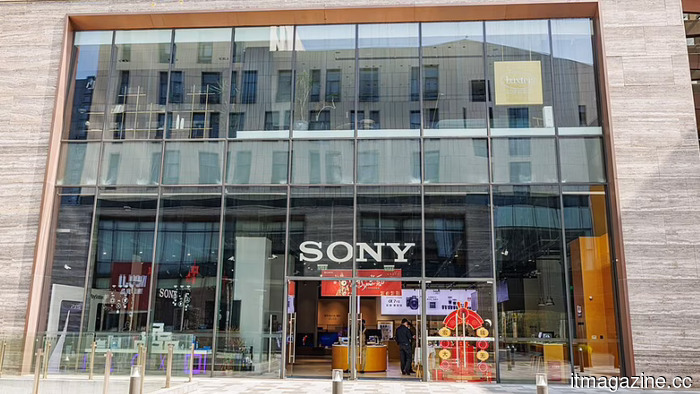
Sony's $7.85 million antitrust settlement regarding the PlayStation Store has received preliminary approval.
**TL;DR** A preliminary approval has been granted for Sony's $7.85 million settlement concerning claims of a digital game monopoly. Approximately 4.4 million US PlayStation owners qualify for compensation. A final hearing is set for October 15.
A federal court in the US has given preliminary approval for a $7.85 million settlement in an antitrust class action that accuses Sony of monopolizing the digital PlayStation games market by eliminating competition from third-party retailers. This settlement, approved on April 8, affects around 4.4 million PlayStation users in the United States, according to court documents.
The lawsuit, Caccuri v. Sony Interactive Entertainment, was initiated in May 2021 in the US District Court for the Northern District of California. Plaintiff Agustin Caccuri claims that Sony breached the Sherman Antitrust Act and the Clayton Act by prohibiting third-party retailers from selling game-specific download codes starting on April 1, 2019.
Before this ban, retailers such as Amazon, Best Buy, and GameStop offered digital download codes at discounted prices, which competed with the PlayStation Store's prices. The lawsuit alleges that by eliminating the codes, Sony directed all digital game purchases to its own platform, resulting in higher prices than would occur in a competitive environment.
The settlement proposal faced challenges; a previous version was rejected by Judge Araceli Martínez-Olguín in July 2025 for lacking an estimated recovery for class members and being what the judge termed a “coupon settlement," which generally doesn’t provide significant value to impacted consumers. The approval process resumed in April 2026 with a revised offer.
Sony has refuted any wrongdoing, and the court has not determined whether the company breached any laws. The settlement serves as a resolution of the claims rather than an acknowledgment of liability.
Class members eligible for compensation are US residents who bought one or more qualifying digital games through the PlayStation Store from April 1, 2019, to December 31, 2023. The games must have been available as third-party vouchers with at least 200 redemptions prior to April 2019 and must have had at least a 50-cent price increase compared to before the restrictions were implemented.
Compensation will automatically be awarded as PlayStation Network wallet credits after the final approval hearing scheduled for October 15. Up to 25% of the total $7.85 million will cover attorneys' fees, taxes, and administrative expenses, with the remainder evenly distributed among class members. Given the scale of the class, individual payouts are expected to be modest.
Gamers who have deactivated their PSN accounts can opt for cash payments by reaching out to the settlement administrator. The deadline to opt-out for those wishing to retain the right to sue Sony individually is July 2, 2026.
This case is part of a larger trend of antitrust challenges targeting digital storefront monopolies within the tech sector. Google resolved its own Play Store antitrust issue with Epic Games in November 2025, and Apple has recently allowed rival app stores on iOS in Brazil following an antitrust settlement with the country's competition authority.
While the PlayStation case is narrower and specifically addresses the removal of a single distribution channel rather than the overall framework of an app ecosystem, the core issue remains similar: when a platform owner eliminates competing distribution possibilities, consumers may face higher prices.
For more information, visit the settlement website at psndigitalgamessettlement.com, where a comprehensive list of eligible games can be found as a downloadable PDF.
Other articles
 Amazon has canceled its nearly completed film about Sam Altman, just four months after putting $50 billion into OpenAI.
Amazon MGM Studios has decided not to release Artificial, a film centered on Altman's firing from OpenAI in 2023, even though it received favorable test screenings and features a notable cast.
Amazon has canceled its nearly completed film about Sam Altman, just four months after putting $50 billion into OpenAI.
Amazon MGM Studios has decided not to release Artificial, a film centered on Altman's firing from OpenAI in 2023, even though it received favorable test screenings and features a notable cast.
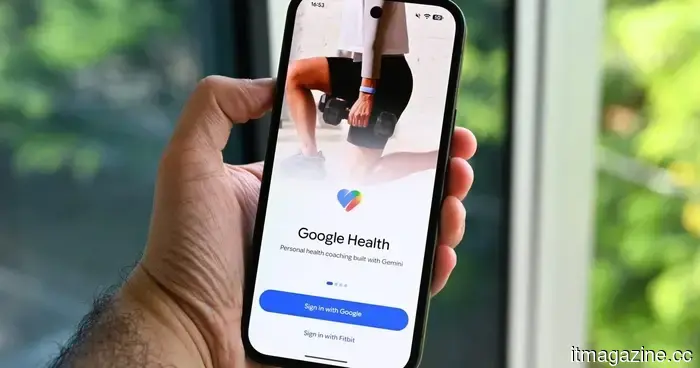 If you noticed that Hourly Activity and Naps were absent from Google Health, a recent update has reinstated them.
The 5.02 update for Google Health brings back two features that were lost during the redesign and introduces several genuinely beneficial enhancements.
If you noticed that Hourly Activity and Naps were absent from Google Health, a recent update has reinstated them.
The 5.02 update for Google Health brings back two features that were lost during the redesign and introduces several genuinely beneficial enhancements.
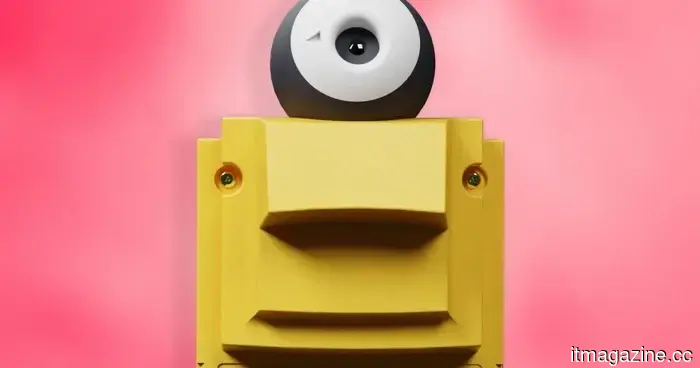 This free app provides your photos with the distinctive style of the Game Boy Camera, without requiring a cartridge.
Epilogue's latest Flashback app emulates the grainy, low-resolution photography style of the Game Boy Camera utilizing your smartphone's camera.
This free app provides your photos with the distinctive style of the Game Boy Camera, without requiring a cartridge.
Epilogue's latest Flashback app emulates the grainy, low-resolution photography style of the Game Boy Camera utilizing your smartphone's camera.
 Seventeen fusion startups have now secured more than $100 million each, and the total continues to rise.
Private investment in fusion has exceeded $13 billion, with 17 startups securing more than $100 million each. However, no company has yet demonstrated that energy generation on a commercial scale is viable.
Seventeen fusion startups have now secured more than $100 million each, and the total continues to rise.
Private investment in fusion has exceeded $13 billion, with 17 startups securing more than $100 million each. However, no company has yet demonstrated that energy generation on a commercial scale is viable.
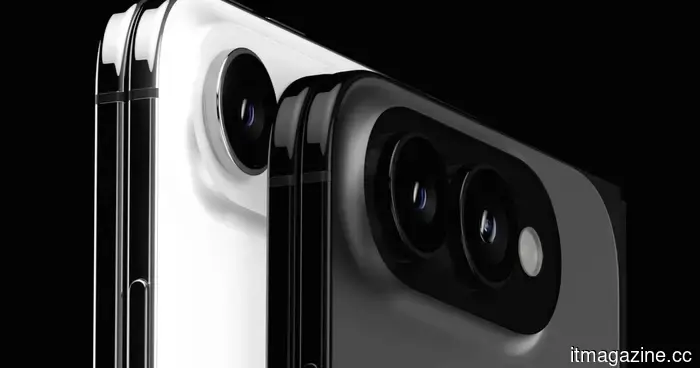 The most recent leak regarding the iPhone Ultra reveals almost everything, featuring a highly anticipated iOS function.
Prosser's latest video on the iPhone Ultra showcases a design that appears to be final and unveils the iOS functionality that foldable users have been anticipating since Android introduced it in 2016.
The most recent leak regarding the iPhone Ultra reveals almost everything, featuring a highly anticipated iOS function.
Prosser's latest video on the iPhone Ultra showcases a design that appears to be final and unveils the iOS functionality that foldable users have been anticipating since Android introduced it in 2016.
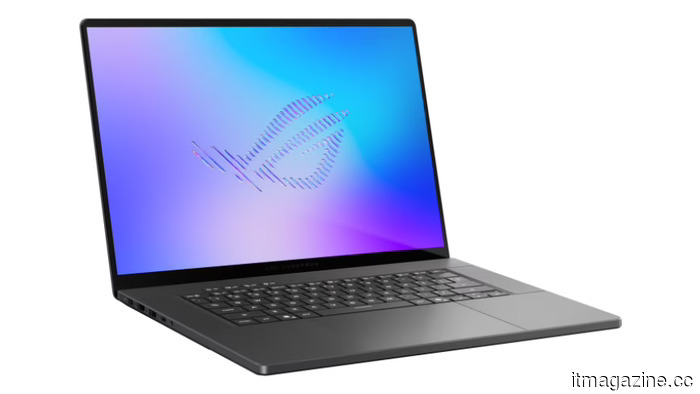 Asus is pricing an RTX 5080 gaming laptop at $4,799, which is higher than the cost of last year's RTX 5090 model.
Asus has priced the 2026 ROG Zephyrus G16 with an RTX 5080 at $4,799. In comparison, the 2025 model featuring a quicker RTX 5090 and 64GB of RAM is available for $200 less.
Asus is pricing an RTX 5080 gaming laptop at $4,799, which is higher than the cost of last year's RTX 5090 model.
Asus has priced the 2026 ROG Zephyrus G16 with an RTX 5080 at $4,799. In comparison, the 2025 model featuring a quicker RTX 5090 and 64GB of RAM is available for $200 less.
Sony's $7.85 million antitrust settlement regarding the PlayStation Store has received preliminary approval.
A court has tentatively approved Sony's $7.85 million settlement regarding allegations that it monopolized digital games by eliminating third-party game vouchers in 2019.