
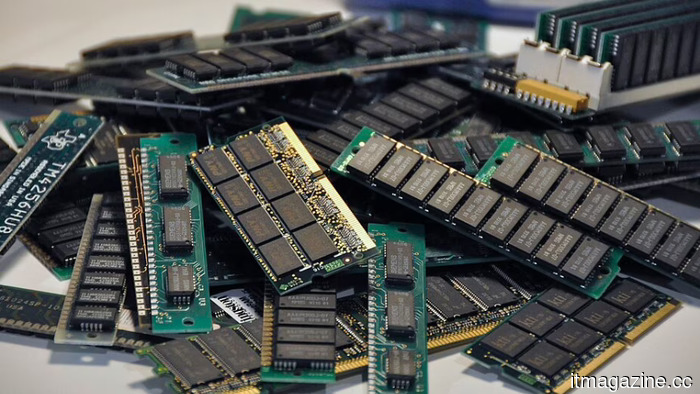
AI's memory crisis has led to the downfall of a phone. Even Apple took a step back.
For a year, the demand for memory chips by AI has been reflected in rising prices: your next laptop or phone would be more expensive. This week, however, it has turned into a product issue.
The planned CMF Phone 3 Pro hasn’t been canceled, but a co-founder mentioned that the company couldn't create a budget phone that felt like "a genuine step forward" while memory costs remain so high. This represents a new type of casualty—not just a device with a higher price tag, but one that will not come to market at all.
Even Apple is feeling the pressure.
If anyone can navigate around a shortage, it’s Apple, the largest and most aggressive buyer of memory globally. However, CEO Tim Cook has described the situation as "unsustainable," and it is anticipated that the company will increase prices, with one analyst suggesting that these hikes are "fairly imminent."
Apple has already discontinued its least expensive Mac mini due to similar pressures. When the strongest buyer in the tech industry begins to hesitate, it indicates trouble for all those beneath it.
The entire market is poised for contraction.
The most evident sign of distress is at the lower end. Some budget smartphones have already seen prices rise by over 50 percent in a year, and research firm CCS Insight predicts a 15 percent decline in global smartphone shipments by 2026.
The most affordable segment is being hit the hardest, as the memory that used to be allocated for budget devices is now diverted to data centers. The retail market for SSDs has nearly disappeared, and DDR5 prices show no indications of dropping.
The blame lies with the AI memory race.
The issue originates upstream. Samsung, SK Hynix, and Micron have been shifting their production lines to high-bandwidth memory, the expensive variety that supports AI accelerators, as it generates significantly higher revenue per wafer than the DRAM used in smartphones. DRAM prices surged around 90 percent in just one quarter, HBM capacity is completely booked until 2027, and Nvidia has secured supply for several years while it lasts.
Consumer electronics are simply being outbid.
Why this matters
The expansion of AI has always come with hidden costs, in terms of power, water, and now memory. What’s different now is who bears the burden. For a year, the increased expense was seen in slightly pricier phones.
Now, it is manifesting as phones that will never be produced and a market facing its first contraction in years. The industry spent 2026 debating whether AI would threaten your job, but it is silently determining which of your devices will actually exist.
Other articles
 According to the book, Trump ridiculed Zuckerberg and Bezos for their subservient behavior.
A recent book by Haberman & Swan alleges that Trump privately mocked Zuckerberg and Bezos for seeking his approval, revealing Musk their messages as examples of "first-class groveling."
According to the book, Trump ridiculed Zuckerberg and Bezos for their subservient behavior.
A recent book by Haberman & Swan alleges that Trump privately mocked Zuckerberg and Bezos for seeking his approval, revealing Musk their messages as examples of "first-class groveling."
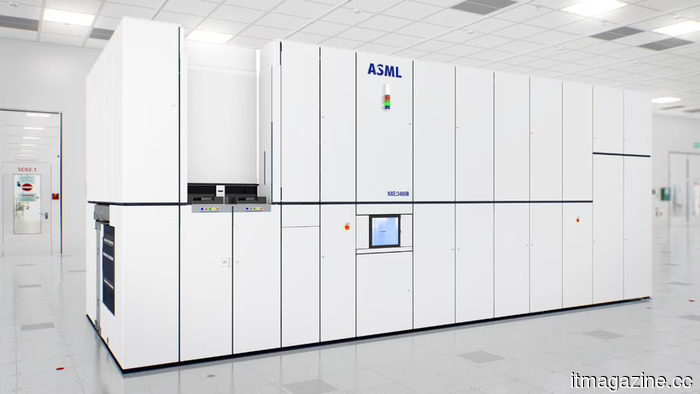 The United States claims that a chip tool from ASML is located in China, but ASML refutes this.
Commerce chief Howard Lutnick states that one of ASML's leading chip manufacturing machines might have arrived in China. However, ASML maintains that it has never delivered an EUV tool to the country.
A startup claims it has solved the issue that was hindering AI progress.
Miami-based startup Subquadratic asserts that its SubQ model overcomes the 'quadratic attention' limitation. While independent evaluations support much of this claim, there are still lingering uncertainties.
The United States claims that a chip tool from ASML is located in China, but ASML refutes this.
Commerce chief Howard Lutnick states that one of ASML's leading chip manufacturing machines might have arrived in China. However, ASML maintains that it has never delivered an EUV tool to the country.
A startup claims it has solved the issue that was hindering AI progress.
Miami-based startup Subquadratic asserts that its SubQ model overcomes the 'quadratic attention' limitation. While independent evaluations support much of this claim, there are still lingering uncertainties.
 Jio submits application for the largest IPO in India and a competitor to Starlink.
Reliance Jio has submitted an application for what might be the largest IPO in India’s history and utilized the same Annual General Meeting to introduce a $15 billion satellite network to compete with Starlink.
Jio submits application for the largest IPO in India and a competitor to Starlink.
Reliance Jio has submitted an application for what might be the largest IPO in India’s history and utilized the same Annual General Meeting to introduce a $15 billion satellite network to compete with Starlink.
 Google is following Nvidia's strategy to loosen its hold on AI chips.
Google is adopting Nvidia's strategy by utilizing financial incentives and circular financing to attract customers for its TPUs and reduce its dominance in the AI chip market.
Google is following Nvidia's strategy to loosen its hold on AI chips.
Google is adopting Nvidia's strategy by utilizing financial incentives and circular financing to attract customers for its TPUs and reduce its dominance in the AI chip market.
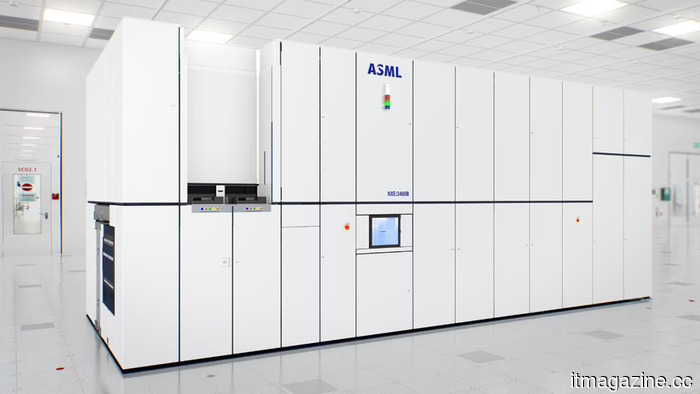 The United States claims that an ASML chip manufacturing tool is located in China, but ASML refutes this assertion.
Commerce Secretary Howard Lutnick states that one of ASML's leading chip manufacturing machines might have arrived in China. However, ASML maintains that it has never delivered an EUV tool to that location.
The United States claims that an ASML chip manufacturing tool is located in China, but ASML refutes this assertion.
Commerce Secretary Howard Lutnick states that one of ASML's leading chip manufacturing machines might have arrived in China. However, ASML maintains that it has never delivered an EUV tool to that location.
AI's memory crisis has led to the downfall of a phone. Even Apple took a step back.
The demand for memory chips from AI led Nothing to discard a phone, prompting Tim Cook to describe the shortage as 'unsustainable.' The smartphone market could decline by 15%.