
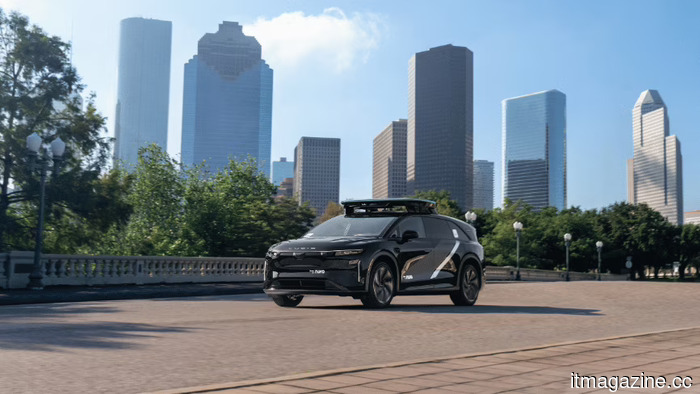
Uber's robotaxi service is set to debut in Houston in 2027.
Uber is introducing its robotaxi service in Houston. The company announced on June 17 that it plans to roll out a premium driverless service in the city by mid-2027, marking the second U.S. location for its collaboration with electric vehicle manufacturer Lucid and self-driving startup Nuro. This move signals Uber’s strategy to compete with Waymo not by developing its own technology, but by integrating solutions from other firms.
This initiative follows extensive efforts in the San Francisco Bay Area, where the same trio anticipates starting passenger services later this year. Uber states that it plans to eventually expand the program to "dozens of cities."
A robotaxi giant without its own robots
Compared to other leading robotaxi companies, Uber stands out as unique. It sold its internal self-driving division to Aurora in 2020 and has since formed over a dozen partnerships with developers of autonomous vehicles, believing it can serve as a platform for other companies' technologies.
The Houston service exemplifies this strategy. Lucid provides the vehicle, a variant of its Gravity SUV; Nuro contributes the autonomous technology with its Level 4 "Nuro Driver" system; and Uber manages the network, finances, and operational aspects.
Uber is making significant investments, pledging approximately $500 million each to Lucid and Nuro, along with plans to purchase at least 35,000 robotaxi-ready vehicles from Lucid in the coming years. This partnership offers crucial support for Lucid, which has faced challenges in scaling its EV sales, and for Nuro, which shifted in 2024 from delivery robots to licensing its technology.
Directly into Waymo’s territory
Houston is not an indifferent location; Waymo operates a commercial, fully driverless service there, as it does in San Francisco. This means Uber has chosen its initial two markets within areas where its rival is established.
The dynamics between the two companies are complex. Uber and Waymo collaborate in Austin, Atlanta, and Phoenix, where Waymo rides can be booked through the Uber app, even as they compete in the cities where Uber is now entering with Lucid and Nuro.
Waymo's leadership in the field serves as a backdrop to this competition. The company already provides hundreds of thousands of paid rides weekly, which has prompted other competitors, including Tesla, to seek market entry.
Not quite driverless yet, and the cost burden falls on Uber
However, there's a catch: the service isn't fully autonomous at this stage. Nuro is testing a combined fleet of nearly 100 vehicles in California and Texas, but they are operated on public roads with safety drivers present at all times.
Last month, Nuro received a permit in California allowing it to operate without safety drivers, but the vehicles in the Bay Area are still monitored, and the mid-2027 timeline for Houston allows considerable scope for delays.
Another challenge is financial. Uber owns and operates the fleet, which means it undertakes the heavy financial burdens of acquiring vehicles, managing depots, charging stations, and maintenance—the aspects of the business that even Waymo is striving to make profitable, partly through its pursuit of a less costly, specially-designed vehicle.
In Houston, the physical presence is already expanding: a 50,000-square-foot depot is being established with 40 fast-charging stations and 15 maintenance bays, with construction expected to commence in early 2027. This development represents a significant departure from the asset-light model on which Uber was originally founded, indicating a strategic gamble that controlling operations, even if not the technology, is crucial to catching up with the market leader.
Other articles
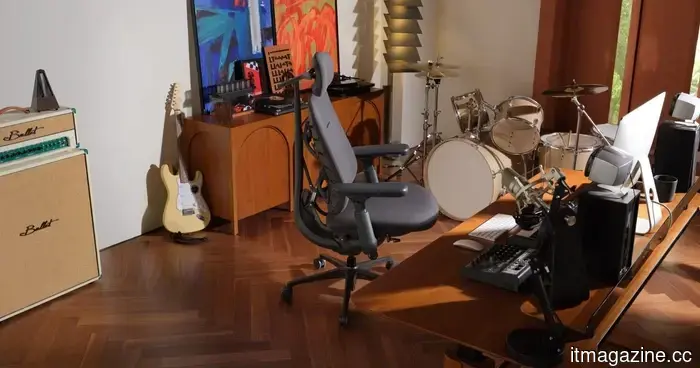 We Spend the Whole Day Sitting, and LiberNovo Believes This Requires a Solution.
Extended periods spent in front of screens and consecutive meetings have become common, frequently resulting in back discomfort. LiberNovo's latest Omni and Maxis Series aim to enhance comfort during those long hours, and the brand’s Prime Sale features limited-time Omni flash deals alongside Super Early Bird discounts exceeding 44%.
We Spend the Whole Day Sitting, and LiberNovo Believes This Requires a Solution.
Extended periods spent in front of screens and consecutive meetings have become common, frequently resulting in back discomfort. LiberNovo's latest Omni and Maxis Series aim to enhance comfort during those long hours, and the brand’s Prime Sale features limited-time Omni flash deals alongside Super Early Bird discounts exceeding 44%.
 The US has decided to postpone adding DeepSeek and over 100 Chinese companies to its blacklist.
An interagency panel has given the green light to include DeepSeek, CXMT, and over 100 Chinese companies on the US Entity List. The Trump administration has refrained from taking action to minimize tension with Beijing.
The US has decided to postpone adding DeepSeek and over 100 Chinese companies to its blacklist.
An interagency panel has given the green light to include DeepSeek, CXMT, and over 100 Chinese companies on the US Entity List. The Trump administration has refrained from taking action to minimize tension with Beijing.
 Interpol has indicated a significant increase in cybercrime and scams throughout Asia.
A recent assessment by Interpol reveals that cybercrime accounts for approximately 30% of reported crime across much of Asia, with scam centers raking in nearly $40 billion annually.
Interpol has indicated a significant increase in cybercrime and scams throughout Asia.
A recent assessment by Interpol reveals that cybercrime accounts for approximately 30% of reported crime across much of Asia, with scam centers raking in nearly $40 billion annually.
 Sharp's initial smartwatch can track the calories you've consumed without the need to log any meals.
Sharp's inaugural smartwatch offers more than just calorie tracking. The Karada Mate Watch employs a bioelectrical impedance sensor to assess calorie and water consumption by analyzing changes in fluid and sugar levels within the body.
Sharp's initial smartwatch can track the calories you've consumed without the need to log any meals.
Sharp's inaugural smartwatch offers more than just calorie tracking. The Karada Mate Watch employs a bioelectrical impedance sensor to assess calorie and water consumption by analyzing changes in fluid and sugar levels within the body.
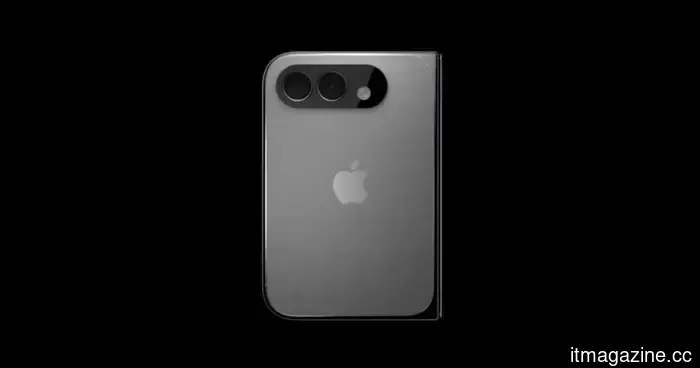 The foldable iPhone has not yet been released, but Apple is already making plans for its successor.
Apple has spent several years steering clear of foldable devices while Android companies have been experimenting with them. Now, reports suggest that the company is working on a second-generation foldable iPhone even before the release of the first model.
The foldable iPhone has not yet been released, but Apple is already making plans for its successor.
Apple has spent several years steering clear of foldable devices while Android companies have been experimenting with them. Now, reports suggest that the company is working on a second-generation foldable iPhone even before the release of the first model.
 The FTC's investigation into Amazon's advertising practices could result in fines amounting to billions.
According to Bloomberg, the FTC has prepared a possible lawsuit against Amazon, alleging that the company has deceived advertisers regarding concealed advertising costs, a case that could result in billions in expenses.
The FTC's investigation into Amazon's advertising practices could result in fines amounting to billions.
According to Bloomberg, the FTC has prepared a possible lawsuit against Amazon, alleging that the company has deceived advertisers regarding concealed advertising costs, a case that could result in billions in expenses.
Uber's robotaxi service is set to debut in Houston in 2027.
Uber is set to introduce its Lucid-Nuro robotaxi service in Houston by mid-2027, marking its second market in the United States and presenting a new challenge to Waymo in the latter's home territory.