

The bathroom is evolving into a more intelligent and customized environment.
For many years, the bathroom had a straightforward purpose. It was a private, functional area designed around fundamental needs. However, this perspective is starting to change. In numerous households, new technology is altering how individuals perceive hygiene, comfort, and daily habits.
Modern bathrooms are beginning to mirror the expectations prevalent in other areas of the smart home. Homeowners are becoming more mindful of cleanliness and long-term comfort. These transformations are particularly evident for families going through life transitions such as pregnancy, recovery, or aging.
From Simple Fixtures to Comprehensive Systems
Toilets have evolved significantly from their original designs. In several regions, especially in Japan and South Korea, advanced features have been the norm for years. Such innovations are now becoming more prevalent in the United States.
Contemporary smart toilets frequently incorporate built-in cleansing systems, temperature controls, and automated functions. What was once viewed as unusual is gradually becoming more common in households as part of a wider shift in expectations.
Hygiene at the Forefront
Recently, many homeowners have begun to reassess bathroom hygiene. There is a greater awareness of germ transmission and the usage of surfaces throughout the day.
Modern systems emphasize minimizing exposure through features like water sterilization and air purification. Some models utilize ultraviolet-based water treatment, while others employ air treatment techniques to enhance the environment after each use.
These attributes reflect a broader trend. The aim is not only to sanitize the area but to sustain a higher level of hygiene without necessitating additional daily effort.
Adapted for Real Life
Bathroom design is increasingly becoming more attuned to physical needs. This includes individuals recovering from medical procedures, senior citizens, and those experiencing pregnancy or postpartum recovery.
Hands-free operation has emerged as one of the most significant advancements. Automatic lids, sensor-operated flushing, and remote controls can alleviate strain and enhance usability. These features can make daily routines feel more manageable, particularly during periods of limited mobility.
A well-crafted bidet toilet, such as the one from Uncle Brown, can also enhance comfort by providing adjustable water pressure and temperature. For many families, these modifications are less about convenience and more about preserving comfort and independence.
Comfort Has Become Essential
Features like heated seats, warm air drying, and customizable settings were previously seen as optional enhancements. Nowadays, they are increasingly integrated into a broader array of products.
This transition is influenced by how homeowners perceive private spaces. Comfort is becoming an integral part of the experience within their homes, even in areas that were previously regarded as strictly functional.
Reduced Maintenance, Enhanced Efficiency
People are also becoming more mindful of the time spent on cleaning. New systems are engineered to minimize buildup, reduce splashing, and manage odors more effectively.
Certain toilets offer foam barriers or high-efficiency flushing systems that help keep surfaces cleaner between uses. Over time, this can lessen the frequency of maintenance and decrease reliance on chemical cleaners.
For homeowners considering a bathroom remodel or significant renovations, these features may play a role in long-term planning.
A Movement Towards Universal Accessibility
Cost has also influenced adoption rates. Traditionally, advanced bathroom fixtures came with a high price tag. However, recent options provide similar functionalities at more affordable prices, making them accessible to a wider variety of households.
This change is facilitating the integration of smart bathroom technology into mainstream home improvement choices.
A New Perspective on Household Spaces
The bathroom is no longer seen solely as a space for routine activities. It is becoming part of a broader dialogue about health, comfort, and daily living.
For many homeowners, these developments are not about complicating matters. They aim to create an environment that aligns more naturally with everyday living. As technology continues to progress, the bathroom may inch closer to this objective.
Digital Trends collaborates with external contributors. All content from contributors is evaluated by the Digital Trends editorial team.


Other articles
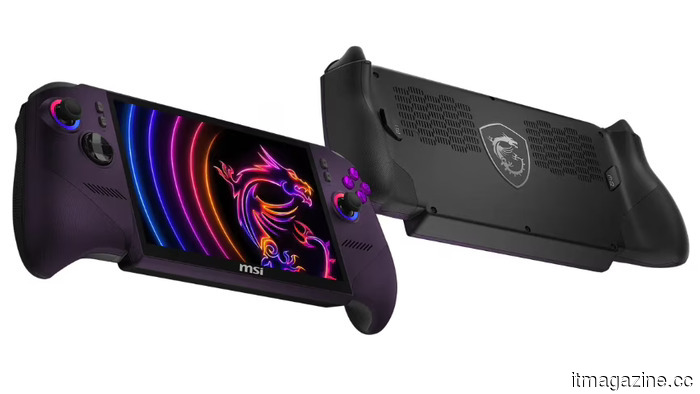 The MSI Claw 8 EX AI+ is priced at $1,699, which is quite a sum for a handheld device typically associated with gaming laptop expenses.
MSI's Claw 8 EX AI+ is set to launch on June 23, featuring Intel's Arc G3 Extreme, 32GB of RAM, and an 80Wh battery, but its $1,699 price tag surpasses that of all competing handheld devices.
The MSI Claw 8 EX AI+ is priced at $1,699, which is quite a sum for a handheld device typically associated with gaming laptop expenses.
MSI's Claw 8 EX AI+ is set to launch on June 23, featuring Intel's Arc G3 Extreme, 32GB of RAM, and an 80Wh battery, but its $1,699 price tag surpasses that of all competing handheld devices.
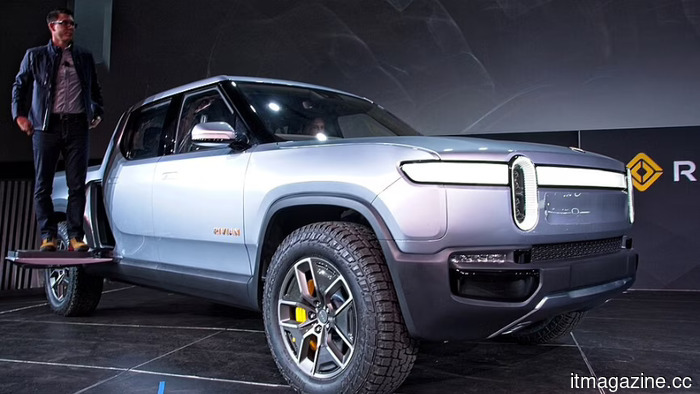 The CEO of Rivian has stated that supervised point-to-point self-driving technology will be available this year, making a direct comparison to Tesla's FSD.
RJ Scaringe has announced that Rivian plans to deliver supervised point-to-point driving for all Gen 2 vehicles and R2 models this year, with fully autonomous driving expected to be available in 2027.
The CEO of Rivian has stated that supervised point-to-point self-driving technology will be available this year, making a direct comparison to Tesla's FSD.
RJ Scaringe has announced that Rivian plans to deliver supervised point-to-point driving for all Gen 2 vehicles and R2 models this year, with fully autonomous driving expected to be available in 2027.
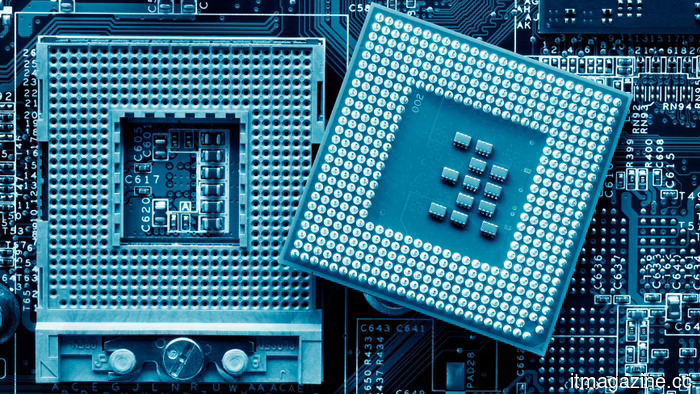 Asian technology stocks experienced a significant increase following the Iran-US agreement, with AI chip manufacturers seeing the largest gains.
SoftBank surged by 10%, SK Hynix increased by 6.4%, and Samsung rose by 4.5% as Asian markets rallied following the Iran-US peace agreement, with the Nikkei surpassing 69,000.
Asian technology stocks experienced a significant increase following the Iran-US agreement, with AI chip manufacturers seeing the largest gains.
SoftBank surged by 10%, SK Hynix increased by 6.4%, and Samsung rose by 4.5% as Asian markets rallied following the Iran-US peace agreement, with the Nikkei surpassing 69,000.
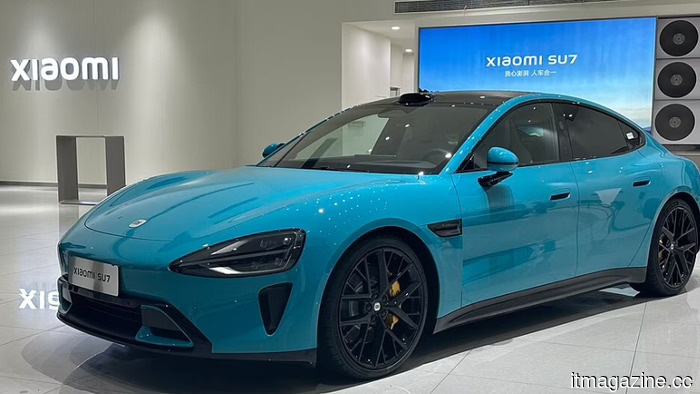 Xiaomi has developed a robotic arm that connects to your electric vehicle at home, fulfilling a commitment that Tesla made in 2014 but never followed through on.
Xiaomi has introduced a robotic charging arm for its electric vehicles that automatically connects and disconnects without any input from the owner. The retail release is aimed for the fourth quarter of 2026 in China.
Xiaomi has developed a robotic arm that connects to your electric vehicle at home, fulfilling a commitment that Tesla made in 2014 but never followed through on.
Xiaomi has introduced a robotic charging arm for its electric vehicles that automatically connects and disconnects without any input from the owner. The retail release is aimed for the fourth quarter of 2026 in China.
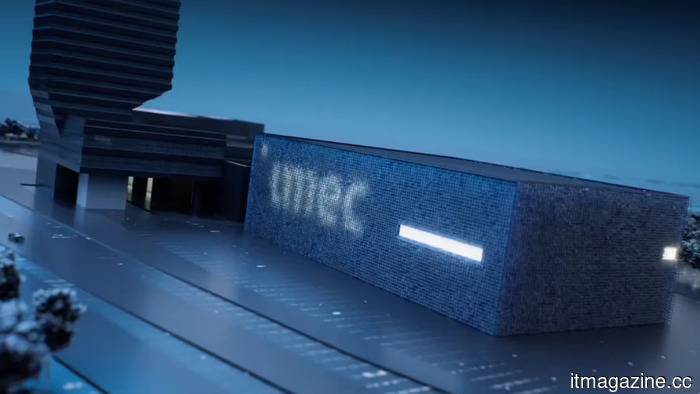 IMEC has developed a chip platform that operates at frequencies of up to 325GHz, potentially making 6G hardware affordable enough for practical deployment.
IMEC's 300mm RF silicon interposer platform reaches unprecedented low signal loss at frequencies as high as 325GHz, marking progress toward cost-effective 6G chiplet production.
IMEC has developed a chip platform that operates at frequencies of up to 325GHz, potentially making 6G hardware affordable enough for practical deployment.
IMEC's 300mm RF silicon interposer platform reaches unprecedented low signal loss at frequencies as high as 325GHz, marking progress toward cost-effective 6G chiplet production.
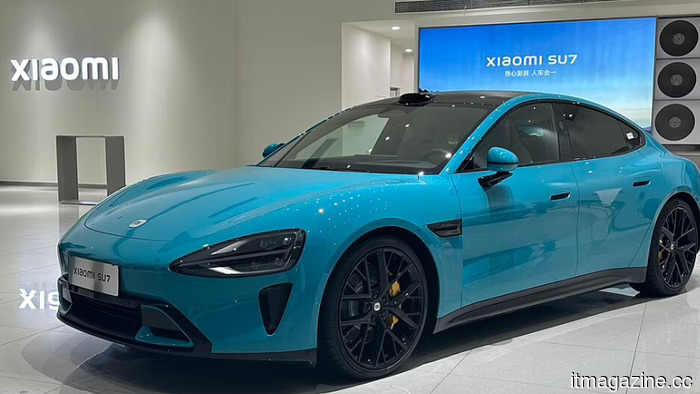 Xiaomi has developed a robotic arm that connects to your electric vehicle at home, fulfilling a commitment that Tesla made in 2014 but never followed through on.
Xiaomi introduced a robotic charging arm for its electric vehicles that autonomously plugs in and unplugs without requiring any input from the owner. The retail release is aimed for the fourth quarter of 2026 in China.
Xiaomi has developed a robotic arm that connects to your electric vehicle at home, fulfilling a commitment that Tesla made in 2014 but never followed through on.
Xiaomi introduced a robotic charging arm for its electric vehicles that autonomously plugs in and unplugs without requiring any input from the owner. The retail release is aimed for the fourth quarter of 2026 in China.
The bathroom is evolving into a more intelligent and customized environment.
For many years, the bathroom had a straightforward function. It was a personal, practical area designed around essential requirements. However, this concept is beginning to evolve. In numerous households, emerging technology is transforming how individuals perceive cleanliness, comfort, and everyday habits. The modern bathroom is starting to embody the same standards observed in other areas of the smart home. [...]