

Apple Intelligence 2.0: The Implications of the New AI Features
“Apple Intelligence 2.0” is not the official name from Apple, but it serves as a convenient shorthand for the company's future direction. Apple refers to it as the next generation of Apple Intelligence, with Siri AI being its most prominent feature.
This focus is risky because Siri comes with a history. For years, it has primarily been used for basic tasks like setting timers, checking the weather, and engaging in frustrating exchanges with a digital assistant that seems to ignore the most crucial commands.
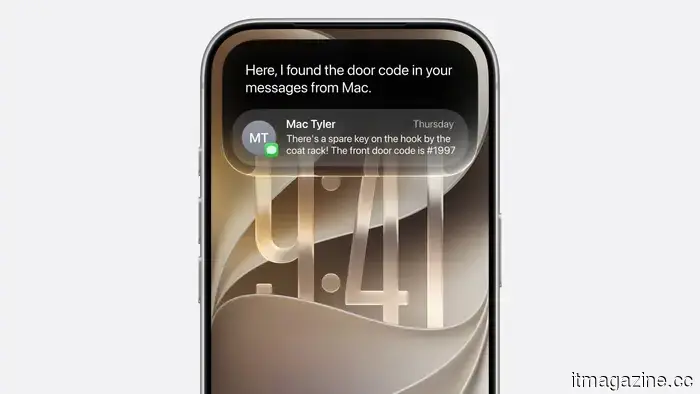
The ideal scenario involves Siri locating a flight code from an email while the monotonous hold music from the airline drains one's patience.
This is the vision Apple is currently promoting: AI that operates seamlessly within the everyday functionalities of the iPhone, rather than in a separate interface.
Why Siri still embodies the entire initiative
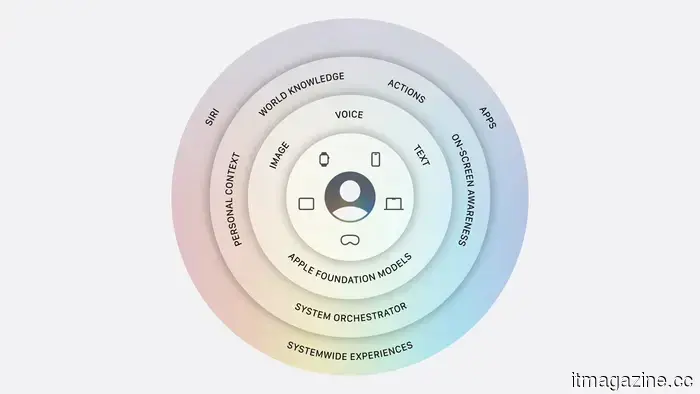
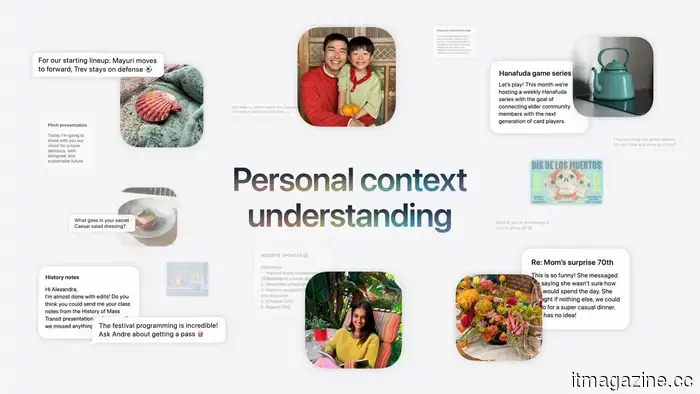
Siri AI is the standout feature because it has been Apple's most visible AI challenge for years. The updated version is supposed to comprehend context, recognize on-screen information, respond to more complex inquiries, and function across multiple applications. Apple claims Siri AI can leverage personal context to search through messages, emails, photos, and other items while also answering questions displayed on the screen and executing broader system functions.
This represents a significant overhaul meant to make Siri appear relevant following the chatbot boom. Interestingly, the expectations sound impressive mainly because previously, they were quite low. Apple is finally characterizing the Siri that users anticipated years ago.
This doesn’t invalidate the update’s significance; instead, it complicates the stakes. Apple is working to regain trust in a feature that many users have learned to overlook.
A more proficient Siri doesn’t need to be a friendly digital companion. It just needs to simplify tasks that currently feel like a challenge.
What the new features are truly achieving
At first glance, the new Apple Intelligence features may seem scattered. Some are integrated into Siri, while others are found in the camera, text fields, calls, photos, and various applications. Collectively, their aim is to create a more cohesive user experience.
Writing assistance should be available where users are already composing text. Visual search should function directly through the camera. Call Context should bring relevant details to light during calls, acknowledging the demands of modern life.
Apple notes that Call Context can retrieve a confirmation code or reservation number during a business call, including finding an airline confirmation code from Mail.
Photo editing tools should make the process feel less disconnected from everyday tasks. Messages and Mail should become smarter without turning every reply into something overly formal. The camera should recognize more of its surroundings without requiring users to learn an entirely new set of AI interactions.
The ideal form of Apple Intelligence should not come across as “using AI.” Instead, it should feel like the phone comprehends the task better and eliminates unnecessary complications.
The ongoing competition in AI has conditioned users to view AI as a separate feature, while Apple is aiming to integrate it as something inherent to the device.
How Apple arrived at this point
Apple Intelligence began in 2024 with an initial wave of tools that offered writing assistance, notification summaries, photo enhancements, and an improved Siri interface.
While these tools were useful, they did not fully encapsulate what Apple intended. The broader vision was for a more personalized Siri capable of understanding user intentions and acting across different applications. This is the aspect that would make Siri feel less like merely a voice interface.
Since these advanced Siri functionalities were absent from the first phase, the initial iteration of Apple Intelligence seemed somewhat incomplete. This update is Apple’s effort to bridge that gap.
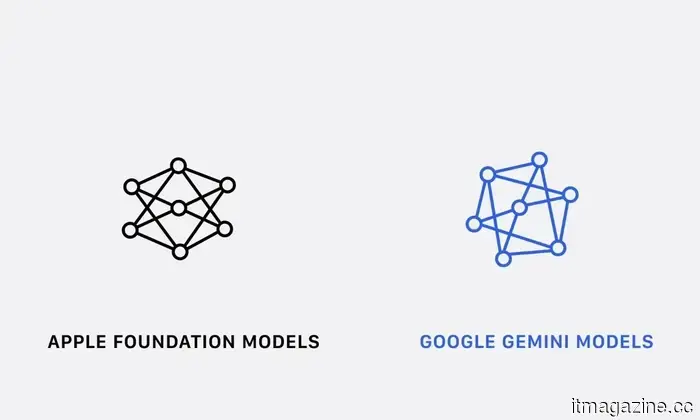
While Apple can emphasize privacy, refinement, and ecosystem advantages, effective AI also requires robust foundational models. This apparently involved inviting collaboration from Google.
Why the underlying infrastructure is crucial
The hidden mechanisms may determine the success of Apple Intelligence overall. Siri AI can only be effective if applications provide enough information and functionality for the system to process.
Here is where concepts like App Intents and semantic indexing shift from being developer jargon to essential components of the product. Apple states that App Intents enables developers to link app content and capabilities to Siri AI features, including personal context awareness, app actions, and on-screen engagement.
Most users will likely never think about this technical aspect. No one purchases an iPhone because of its backend quality. If Siri struggles to find the correct information, act on the right screen, or comprehend an app's functionalities, the result will simply be voice-command frustration.
This is the least glamorous yet most vital element of Apple Intelligence. While a more advanced model can answer complex inquiries, an assistant that cannot engage with the applications users regularly utilize remains limited.
Where the vision becomes complicated
Apple’s cautious strategy creates its own set of challenges. Siri requires sufficient personal context to assist without making users feel like their phone is overtly intrusive. It also needs adequate access to apps to function effectively without becoming erratic.
Additionally, the rollout will be inconsistent, influenced by the device, region, language, and whether applications embrace the deeper integration.
Apple reports that Siri AI will be

Other articles
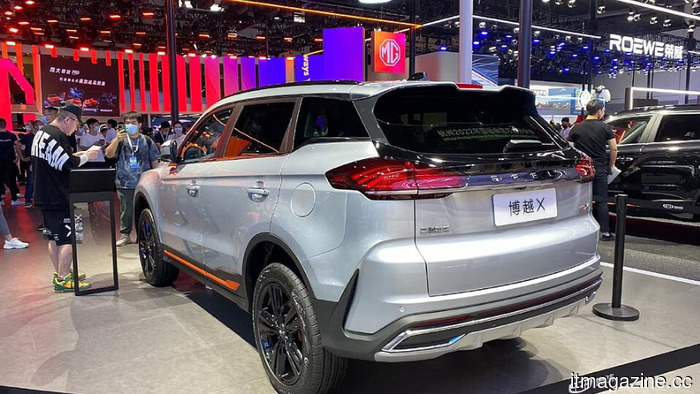 Geely will eliminate surplus factory capacity and aim to position itself as a global rival to BYD.
Geely chairman Li Shufu announced that the company plans to shut down, merge, or sell excess factories as it shifts focus from domestic pricing competition to global growth.
Geely will eliminate surplus factory capacity and aim to position itself as a global rival to BYD.
Geely chairman Li Shufu announced that the company plans to shut down, merge, or sell excess factories as it shifts focus from domestic pricing competition to global growth.
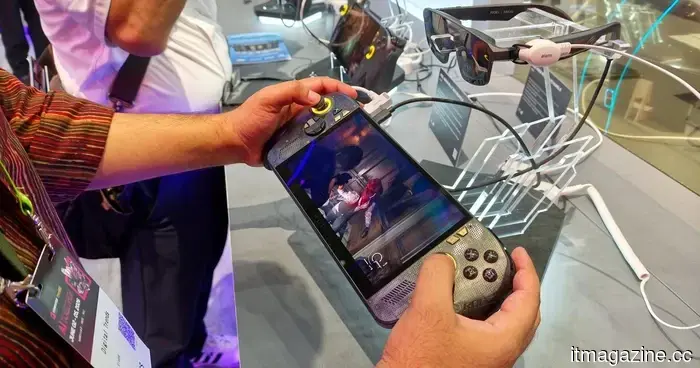 I tested the ASUS ROG Xbox Ally X20, and the 171-inch display makes a significant difference.
The OLED enhancement of the ROG Xbox Ally X20 is impressive, but after experiencing the included AR glasses, I found myself constantly considering the larger display.
I tested the ASUS ROG Xbox Ally X20, and the 171-inch display makes a significant difference.
The OLED enhancement of the ROG Xbox Ally X20 is impressive, but after experiencing the included AR glasses, I found myself constantly considering the larger display.
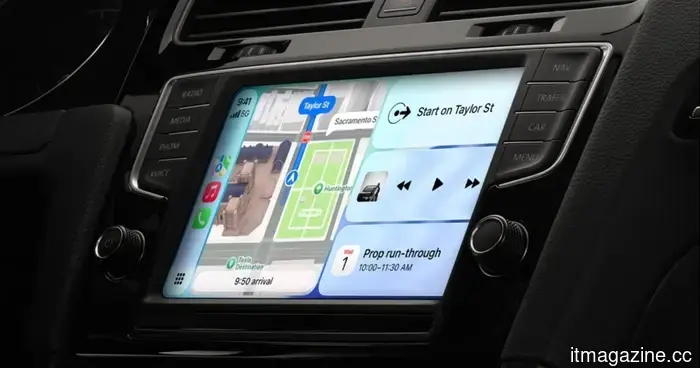 All the new features arriving in CarPlay with iOS 17.
CarPlay is receiving its most significant update in years with iOS 27, and the most notable improvements aren't the ones that stand out the most.
All the new features arriving in CarPlay with iOS 17.
CarPlay is receiving its most significant update in years with iOS 27, and the most notable improvements aren't the ones that stand out the most.
 In early 2026, FINQ's AI-managed ETFs subtly surpass Wall Street's performance.
FINQ's two AI-managed ETFs, AIUP and AINT, have surpassed the S&P 500 since their launch on NYSE Arca in February 2026, delivering returns of 15.30% and 27.13%, respectively, compared to the benchmark's 10.07%.
In early 2026, FINQ's AI-managed ETFs subtly surpass Wall Street's performance.
FINQ's two AI-managed ETFs, AIUP and AINT, have surpassed the S&P 500 since their launch on NYSE Arca in February 2026, delivering returns of 15.30% and 27.13%, respectively, compared to the benchmark's 10.07%.
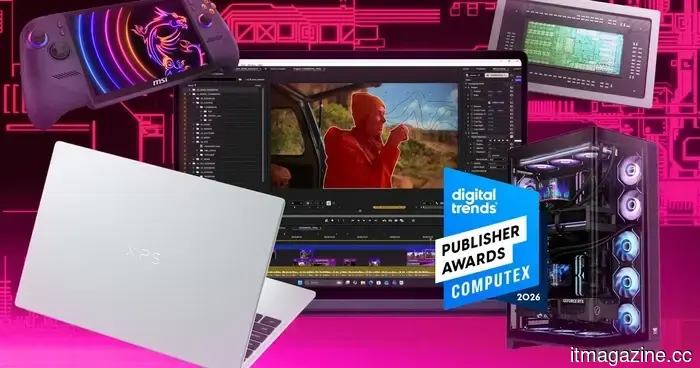 Digital Trends Computex 2026 Publisher Awards
Computex 2026 was filled with AI PCs, massive monitors, gaming handhelds, and innovative desktop concepts, but several products stood out amidst the clutter.
Digital Trends Computex 2026 Publisher Awards
Computex 2026 was filled with AI PCs, massive monitors, gaming handhelds, and innovative desktop concepts, but several products stood out amidst the clutter.
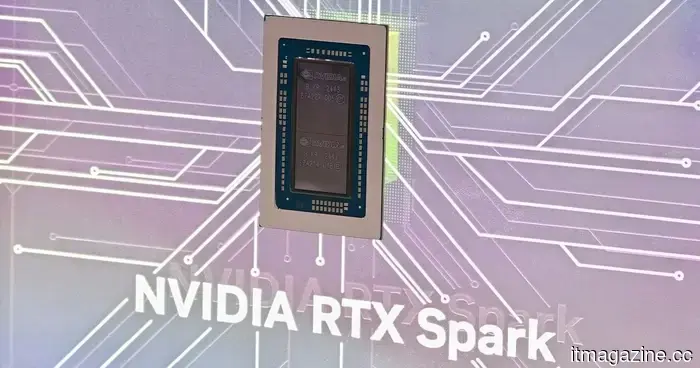 I witnessed Nvidia RTX Spark in action, and it seems that Windows PCs might finally experience their own Apple Silicon Moment.
Having observed the Nvidia RTX Spark handle video editing, local AI agents, and gaming at Computex 2026, it appears to be one of the most significant efforts to reimagine high-end Windows PCs.
I witnessed Nvidia RTX Spark in action, and it seems that Windows PCs might finally experience their own Apple Silicon Moment.
Having observed the Nvidia RTX Spark handle video editing, local AI agents, and gaming at Computex 2026, it appears to be one of the most significant efforts to reimagine high-end Windows PCs.
Apple Intelligence 2.0: The Implications of the New AI Features
Apple Intelligence 2.0 represents Apple's effort to integrate AI seamlessly into the iPhone experience, with Siri as the prominent feature, Gemini serving as the subtle innovation, and underlying app infrastructure supporting it all.