

Apple Intelligence 2.0: The Implications of the Latest AI Features
“Apple Intelligence 2.0” is not the official name from Apple, but serves as a convenient shorthand for the company's direction. Apple refers to it as the next generation of Apple Intelligence, with Siri AI being the most prominent element.
Focusing on Siri is a risky move, as it carries a lot of baggage. For years, it has primarily been used for simple tasks like timers, weather inquiries, and debates with a device that seems to misunderstand everything except the trivial.
The ideal scenario is Siri retrieving a flight code from an email while the airline’s hold music drains the patience away.
This is the version Apple is aiming to present: an AI that integrates seamlessly into the everyday functions of the iPhone rather than existing in a separate prompt.
Why Siri still carries the burden
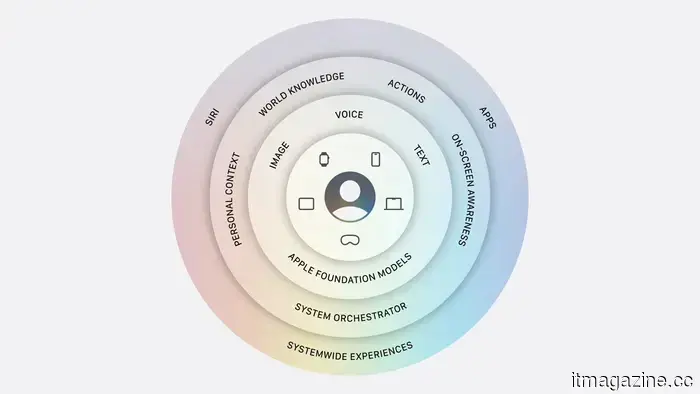
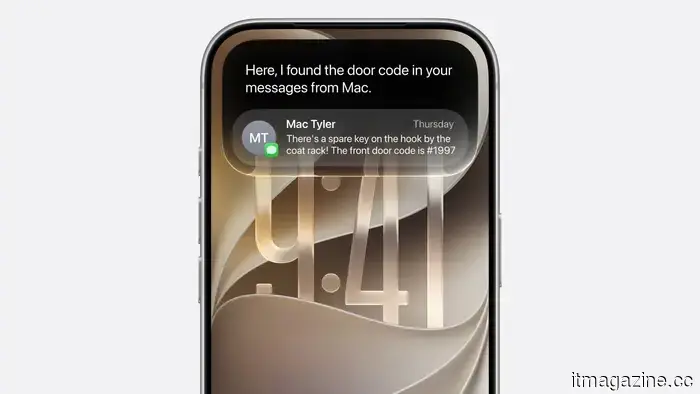
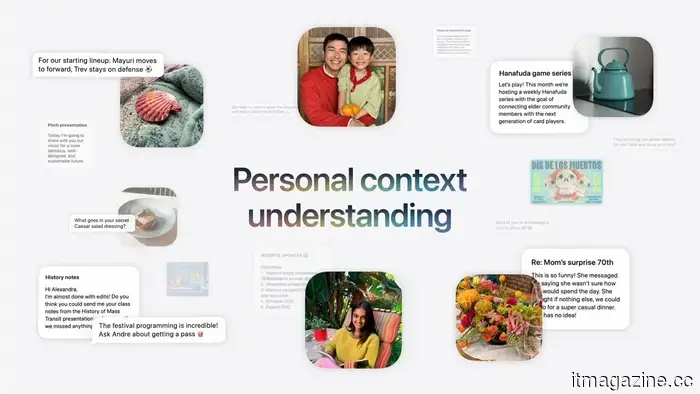
Siri AI is in the spotlight because it is Apple’s most public AI challenge over the years. The new version aims to grasp context, recognize on-screen content, respond to complex inquiries, and function across different apps. Apple claims that Siri AI can utilize personal context to search through messages, emails, photos, among other things, while also addressing questions on the screen and performing broader system actions.
This marks a significant shift, intended to make Siri appear less outdated in the wake of the chatbot surge. It is noteworthy that this new portrayal sounds impressive primarily because expectations have been lowered significantly. Apple is finally presenting the version of Siri that users anticipated years ago.
This update is neither fake nor insignificant. Rather, it alters the stakes. Apple is working to regain trust in a feature that many users have learned to overlook.
An improved Siri doesn’t need to be an endearing digital companion; it simply needs to simplify tasks that currently seem convoluted.
What the new features are really achieving
At first glance, the new Apple Intelligence features may seem disorganized. Some are integrated into Siri, while others function within the camera, text fields, calls, photos, and other everyday applications. Together, they aim for one objective: to create a more cohesive experience on the phone.
Writing assistance should appear directly where users are typing. Visual search should utilize the camera. Call Context should provide relevant information during calls, since modern life often necessitates such specific details.
Apple states that Call Context can retrieve a confirmation code or reservation number during business calls, including finding an airline reservation code from Mail.
Photo editing tools should feel less like an additional chore. Messaging and email should become smarter without converting every reply into an overly formal note. The camera should comprehend its surroundings without requiring users to learn an additional AI procedure.
The ultimate version of Apple Intelligence should not feel like “using AI.” It ought to seem as if the phone better understands the task and eliminates unnecessary manual steps.
The AI race has conditioned users to regard AI as a distinct destination, while Apple is attempting to integrate it more naturally into the existing interface.
How Apple arrived at this point
Apple Intelligence launched in 2024 with an initial set of tools that included writing assistance, notification summaries, photo enhancements, and an updated Siri interface.
These tools were beneficial, though they did not encapsulate the complete vision Apple was promoting. The broader promise was a more personalized Siri that could grasp user intentions and operate across various applications—transforming it from merely a voice interface.
Since those more ambitious features were absent from the initial release, the first incarnation of Apple Intelligence felt somewhat lacking. This update represents Apple’s attempt to bridge that gap.
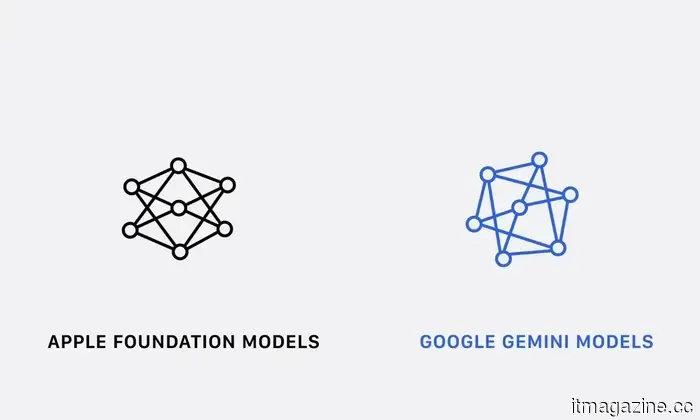
Apple can speak of privacy, refinement, and ecosystem management, but effective AI also requires robust model capabilities. This seemingly involved incorporating some of Google’s technology.
Why the underlying technology is crucial
The hidden technology could determine the success of Apple Intelligence. Siri AI can only prove useful if applications provide enough information and functionalities for the system to comprehend.
This is where concepts like App Intents and semantic indexing transition from developer jargon to practical application. Apple states that App Intents allows developers to connect app content and capabilities to Siri AI features such as personal context understanding and app interactivity.
Most users will never consider these technical details. Few people purchase an iPhone based on its internal infrastructure. If Siri cannot locate relevant information, take action on the correct screen, or comprehend an app's functionality, the entire experience reverts to a mere voice command system.
This aspect of Apple Intelligence is the least glamorous, yet potentially the most vital. A smarter model can pose better questions, but an assistant that cannot interact with the applications people frequently use will remain out of reach.
Where the promise becomes complicated
Apple’s cautious strategy also presents unique challenges. Siri must gather enough personal context to assist without making the user feel like they are being monitored. It also requires sufficient app access to function effectively without becoming erratic.
Additionally, there is the issue of inconsistent availability, which will depend on the device, region, language, and whether apps support the deeper functionalities.
Apple has indicated that Siri AI will debut as a beta later this year for supported devices set to English

Other articles
 All the new features arriving for CarPlay in iOS 17.
CarPlay is receiving its most significant update in years with iOS 27, and the most valuable improvements aren't the most attention-grabbing.
All the new features arriving for CarPlay in iOS 17.
CarPlay is receiving its most significant update in years with iOS 27, and the most valuable improvements aren't the most attention-grabbing.
 All the new features arriving in CarPlay with iOS 17.
CarPlay is receiving its most significant update in years with iOS 27, and the most notable improvements aren't the ones that stand out the most.
All the new features arriving in CarPlay with iOS 17.
CarPlay is receiving its most significant update in years with iOS 27, and the most notable improvements aren't the ones that stand out the most.
 Digital Trends Computex 2026 Publisher Awards
Computex 2026 was filled with AI PCs, massive monitors, gaming handhelds, and innovative desktop concepts, but several products stood out amidst the clutter.
Anthropic's model shutdown has given India's sovereign AI initiative its most compelling argument to date.
India is discussing the development of its own AI following the US's pressure on Anthropic to discontinue Fable 5, with suggestions for a $5 billion annual fund and appeals to adopt open-source models.
Digital Trends Computex 2026 Publisher Awards
Computex 2026 was filled with AI PCs, massive monitors, gaming handhelds, and innovative desktop concepts, but several products stood out amidst the clutter.
Anthropic's model shutdown has given India's sovereign AI initiative its most compelling argument to date.
India is discussing the development of its own AI following the US's pressure on Anthropic to discontinue Fable 5, with suggestions for a $5 billion annual fund and appeals to adopt open-source models.
 De Beers invests in blockchain technology as the demand for lab-grown diamonds increases.
GIA has purchased a 30% stake in Tracr, the blockchain provenance platform from De Beers, amidst a decline in natural diamond prices and an increase in market share for lab-grown diamonds.
De Beers invests in blockchain technology as the demand for lab-grown diamonds increases.
GIA has purchased a 30% stake in Tracr, the blockchain provenance platform from De Beers, amidst a decline in natural diamond prices and an increase in market share for lab-grown diamonds.
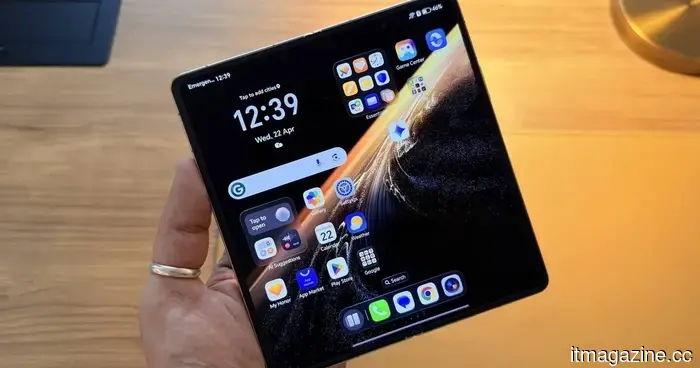 Honor Magic V6 review: I had my doubts about this stylish foldable, but it exceeded all expectations.
The Honor Magic V6 stands out as the most well-rounded large foldable device available. It is the first to achieve both IP68 and IP69 ratings, features the finest camera system among large foldables, and delivers battery life that outmatches many traditional smartphones. The only drawbacks are the crease and a complex performance setup, but these do not detract significantly from the overall recommendation.
Honor Magic V6 review: I had my doubts about this stylish foldable, but it exceeded all expectations.
The Honor Magic V6 stands out as the most well-rounded large foldable device available. It is the first to achieve both IP68 and IP69 ratings, features the finest camera system among large foldables, and delivers battery life that outmatches many traditional smartphones. The only drawbacks are the crease and a complex performance setup, but these do not detract significantly from the overall recommendation.
Apple Intelligence 2.0: The Implications of the Latest AI Features
Apple Intelligence 2.0 represents Apple's effort to integrate AI seamlessly into the iPhone, featuring Siri as the prominent aspect, Gemini as the subtle enhancement, and the underlying app infrastructure supporting it.