
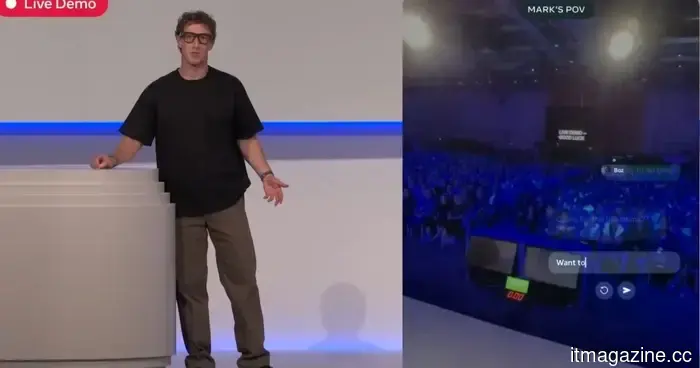
Meta employees are rising up against the company’s AI regulations, serving as a lesson for everyone.
Meta's assertive advancement in artificial intelligence is encountering increasing resistance from an unexpected source: its own workforce.
A recent report from WIRED reveals that frustration within Meta has escalated to a peak due to a series of AI-related restructuring initiatives, job cuts, and workplace policies. This tension became publicly apparent this week when an employee disrupted a company-wide livestream with an expletive-laden outburst aimed at Meta's AI leadership, shocking thousands of colleagues who were watching the event.
While this incident may seem like an isolated event, employees believe it highlights a much larger issue within the organization. In recent months, Meta has reorganized significant portions of its staff around AI, creating new teams responsible for enhancing and evaluating AI models. Concurrently, the company has made substantial investments in its AI goals while restructuring existing departments and reducing its workforce.
One of the most debated initiatives has been the establishment of Applied AI, a division reportedly consisting of about 6,500 engineers and product managers. Employees spoken to by WIRED have described their work as monotonous and detached from the roles they were initially hired to fulfill. Some reportedly spend their time developing coding challenges and test cases for training and assessing AI systems instead of creating products that directly serve customers.
AI ambitions are at odds with employee morale
The dissatisfaction is not limited to a single team.
As outlined in the report, Meta's recent AI-centered restructuring occurred alongside layoffs that affected approximately 10% of the workforce, amounting to around 8,000 employees. Workers from various divisions have indicated that morale is at an all-time low as teams adjust to new priorities and increased workloads.
Another point of contention has been Meta’s initiative to gather employee activity data for AI training objectives. More than 1,600 employees reportedly signed a petition against a program aimed at monitoring clicks and keystrokes on company devices. In response to the backlash, Meta modified the program to allow employees to temporarily halt data collection and request exemptions in certain situations.
Even top executives have recognized the unrest. During an internal meeting, Meta Chief Product Officer Chris Cox reportedly described the current climate as “difficult” and “brutal,” likening the company’s situation to running a marathon in a hailstorm. Meta CEO Mark Zuckerberg also confessed in an internal memo that mistakes had been made during the restructuring and pledged for more stability ahead.
The situation underscores a wider challenge in AI
The unfolding events at Meta reflect a growing issue confronting the tech industry.
As companies race to develop more advanced AI systems, many are asking employees to change roles, acquire new skills, and engage in projects that may seem disconnected from their original expertise. While executives often emphasize technological advancements, employees may perceive these changes very differently.
Meta contends that its investments in AI are essential for creating future products, including enhanced social media experiences, AI assistants, and next-generation wearable devices. Zuckerberg has frequently portrayed AI as a core element of the company's long-term vision.
However, the employee backlash serves as a reminder that the successful implementation of AI relies not only on technology but also on trust, transparency, and ensuring that employees comprehend their roles in a rapidly evolving future.
For Meta, the challenge extends beyond merely developing superior AI models; it is also about persuading its own employees that they are eager to contribute to this endeavor.

Other articles
 Brazil's hidden World Cup asset trained the team on when to disregard it.
Brazil's GPS vests nearly sidelined a star player due to inaccurate data. This is the reason the figures were flawed.
Brazil's hidden World Cup asset trained the team on when to disregard it.
Brazil's GPS vests nearly sidelined a star player due to inaccurate data. This is the reason the figures were flawed.
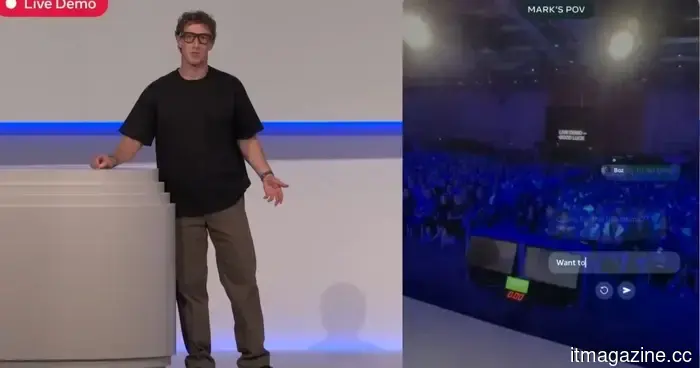 Meta employees are protesting against the company's AI regulations, serving as a reminder for everyone.
Meta’s reorganization of its AI division has led to employee discontent, petitions, and public demonstrations, underscoring the increasing friction between swift AI advancements and employee morale.
Meta employees are protesting against the company's AI regulations, serving as a reminder for everyone.
Meta’s reorganization of its AI division has led to employee discontent, petitions, and public demonstrations, underscoring the increasing friction between swift AI advancements and employee morale.
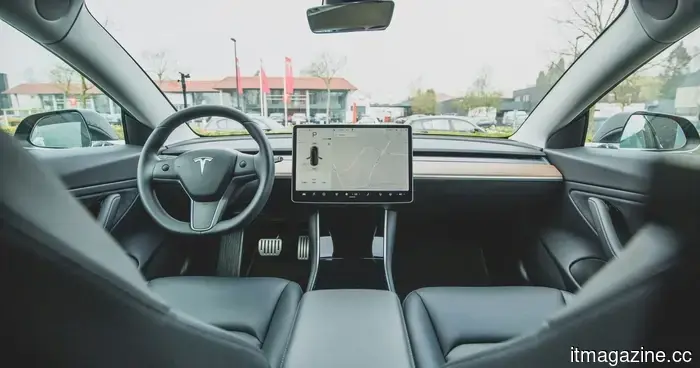 We just received a strong indication that a Tesla and SpaceX collaboration might indeed occur.
A recent statement from SpaceX President Gwynne Shotwell has rekindled speculation regarding a potential collaboration between Tesla and SpaceX. While it may not occur in the immediate future, the concept now seems significantly more plausible.
We just received a strong indication that a Tesla and SpaceX collaboration might indeed occur.
A recent statement from SpaceX President Gwynne Shotwell has rekindled speculation regarding a potential collaboration between Tesla and SpaceX. While it may not occur in the immediate future, the concept now seems significantly more plausible.
 Microsoft is contemplating a complete spinoff of Xbox due to the division's profit margins falling to 3%.
Microsoft has not dismissed the possibility of transforming Xbox into a subsidiary, forming a joint venture, or even selling it off completely. Profit margins have dropped to 3%. Significant layoffs are scheduled for July.
Microsoft is contemplating a complete spinoff of Xbox due to the division's profit margins falling to 3%.
Microsoft has not dismissed the possibility of transforming Xbox into a subsidiary, forming a joint venture, or even selling it off completely. Profit margins have dropped to 3%. Significant layoffs are scheduled for July.
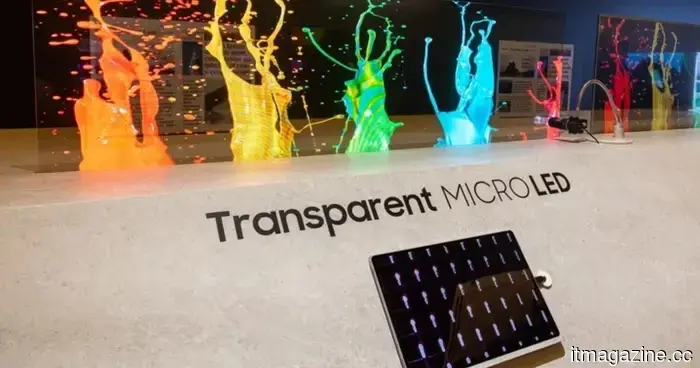 A recent advancement in OLED technology could render the upcoming transparent screens truly practical for use.
A novel manufacturing technique might finally enable transparent displays to be bright, durable, and suitable for actual devices.
A recent advancement in OLED technology could render the upcoming transparent screens truly practical for use.
A novel manufacturing technique might finally enable transparent displays to be bright, durable, and suitable for actual devices.
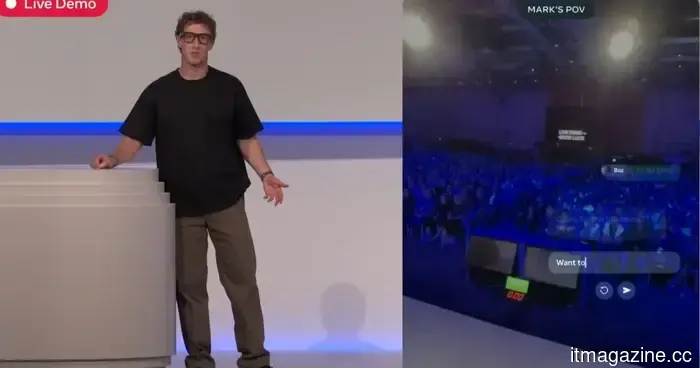 Meta employees are protesting against the company's AI policies, highlighting a lesson for everyone.
The reorganization of Meta's AI has led to employee dissatisfaction, petitions, and public protests, underscoring the increasing friction between swift AI advancements and workplace morale.
Meta employees are protesting against the company's AI policies, highlighting a lesson for everyone.
The reorganization of Meta's AI has led to employee dissatisfaction, petitions, and public protests, underscoring the increasing friction between swift AI advancements and workplace morale.
Meta employees are rising up against the company’s AI regulations, serving as a lesson for everyone.
Meta's AI restructuring has led to employee dissatisfaction, petitions, and public demonstrations, underscoring the increasing discord between swift AI advancement and workplace morale.