
A recent advancement in OLED technology could render the upcoming transparent screens truly practical for use.
The electrode solution that could finally make transparent screens appealing.
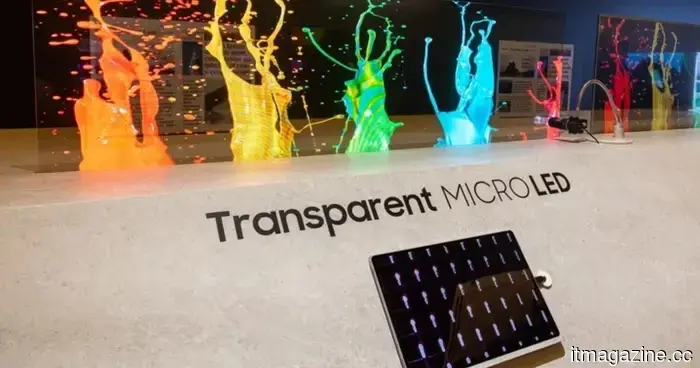
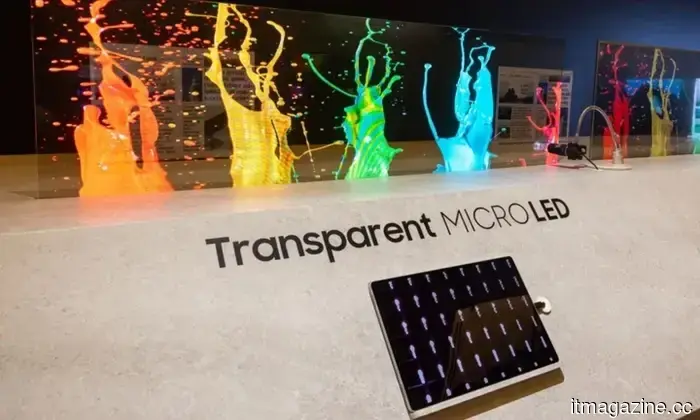
Samsung’s transparent microLED display at CES 2024.
Phil Nickinson / Digital Trends
Every transparent OLED demonstration I've encountered so far has impressed me for about ten seconds, until I realize how dim or blurry it actually appears. A significant part of the issue is the function electrodes serve in the design.
A transparent display necessitates a see-through electrode positioned above very fragile organic light-emitting layers. However, many traditional options either conduct electricity poorly or risk harming those layers during the manufacturing process.
Seoul National University / Publishing
So, how exactly is this new electrode created?
A team at Seoul National University, led by professor Yongtaek Hong, has discovered an innovative solution.
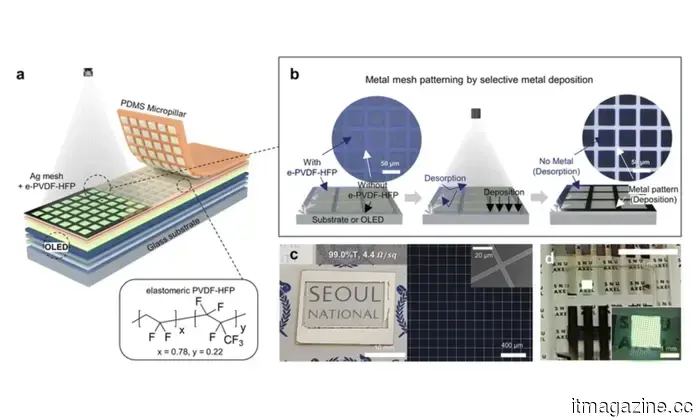
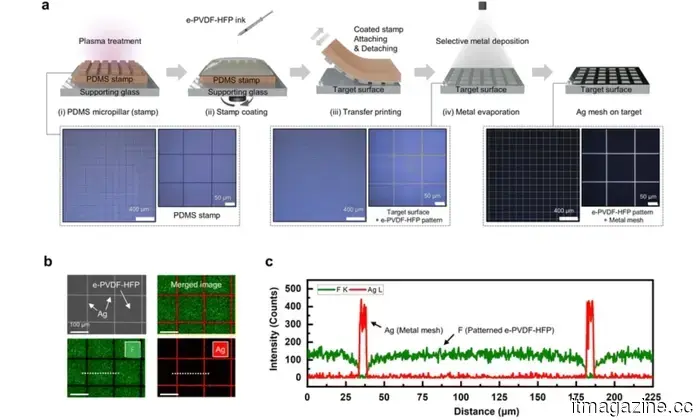
Rather than applying harsh chemicals or etching a metal layer onto a finished OLED—which can damage the organic materials underneath—the team first stamps a pattern of a specialized coating.
When metal vapor is subsequently added, it adheres everywhere except on that coating, which repels it.
Without the need for rinsing or lift-off, this process yields a self-aligned metal mesh electrode that boasts transparency ranging from 93.6% to 99% with a sheet resistance as low as 1.1 Ohm per square. This low resistance significantly enhances electrical conductivity, as indicated in the study published in Materials Horizons (via EurekAlert).
Seoul National University / Publishing
Why is an electrode significant?
Because this less prominent component has been a barrier for transparent displays. The team’s electrode achieved a figure of merit above 10,000, making it one of the best results ever recorded for such a thin material.
Hong suggests this technique could become a standard method for transparent and flexible displays, AR devices, car screens, smart windows, and even under-display facial recognition panels.
This doesn’t imply that a transparent iPhone or Samsung Galaxy S-series will launch next year. However, resolving this tedious manufacturing issue is precisely how these screens can transition from prototypes to items consumers would genuinely want to use.
For over five years, Shikhar has consistently clarified advancements in consumer technology and communicated them effectively…
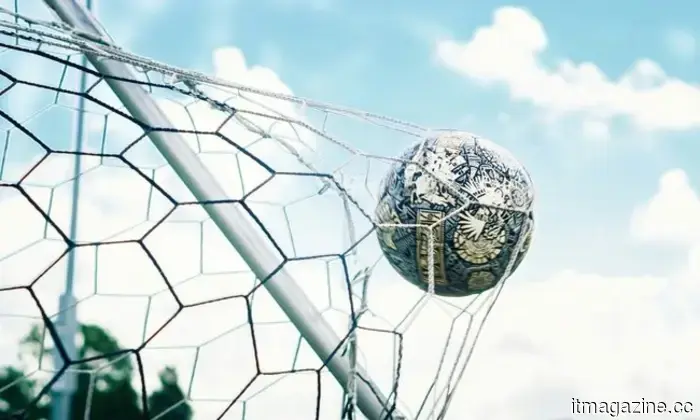
Brazil’s secret World Cup weapon taught the team when to disregard it.
The data indicated he wasn’t running enough. The footage showed he was consistently in the “ideal tactical position.”
Brazil holds more World Cup titles than any other nation, five in total, but after five consecutive tournaments without adding to that tally, the team is heavily relying on data this time.
Every player wears a sensor-laden "smart vest" that tracks field position (via GPS), heart rate, and a metric called "player load," similar to the data your Whoop band or Apple Watch provides, but tailored specifically for football.
Read more
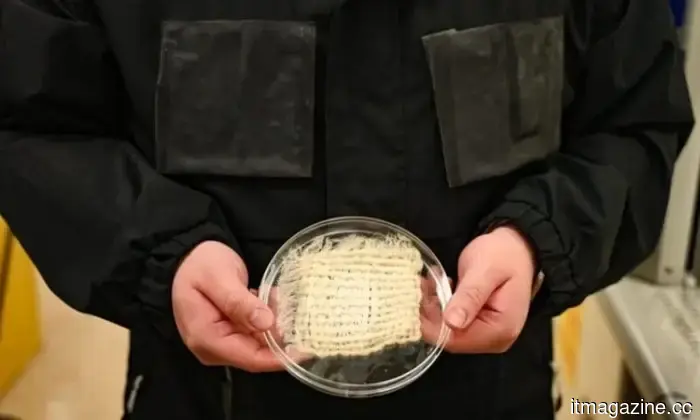
This jacket extracts drinking water directly from the air.
Engineers at the University of Texas at Austin have created a jacket that captures drinkable water directly from the atmosphere, potentially aiding hikers, soldiers, agricultural workers, and emergency responders who work far from dependable water sources.
How the jacket gathers water.
Read more
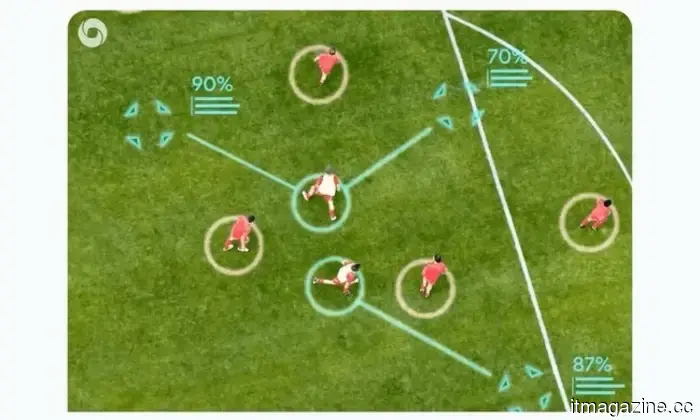
Google developed an AI that can predict football plays before they occur.
DeepMind’s latest research forecasts player movements up to eight seconds ahead.
Football managers invest countless hours assessing corners, free kicks, and player positioning in pursuit of minor competitive advantages. Google DeepMind believes artificial intelligence can expedite this process significantly, and its most recent initiative, TacticAI, is designed to accomplish this. TacticAI is an AI assistant specific to football, capable of modeling player movements, predicting future play dynamics, and making suggestions for tactical adjustments during corner kicks. One of its standout capabilities is predicting player trajectories up to eight seconds into the future, relying solely on broadcast-style visual data.
TacticAI was developed in collaboration with Liverpool FC and validated by football experts.
Read more.

Other articles
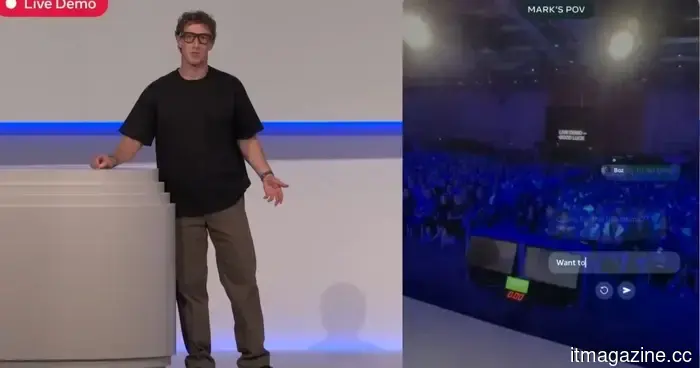 Meta employees are protesting against the company's AI regulations, serving as a reminder for everyone.
Meta’s reorganization of its AI division has led to employee discontent, petitions, and public demonstrations, underscoring the increasing friction between swift AI advancements and employee morale.
Meta employees are protesting against the company's AI regulations, serving as a reminder for everyone.
Meta’s reorganization of its AI division has led to employee discontent, petitions, and public demonstrations, underscoring the increasing friction between swift AI advancements and employee morale.
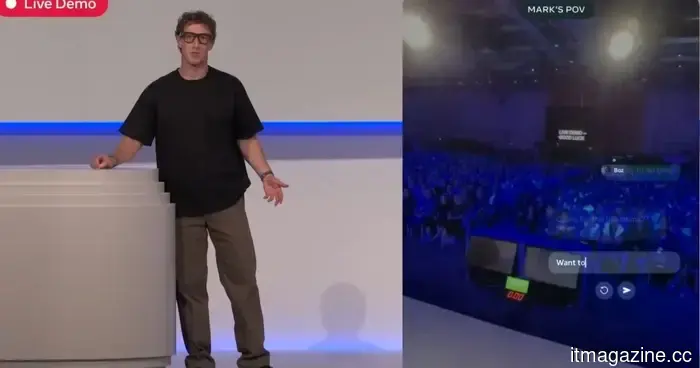 Meta employees are rising up against the company’s AI regulations, serving as a lesson for everyone.
Meta's AI restructuring has led to employee dissatisfaction, petitions, and public demonstrations, underscoring the increasing discord between swift AI advancement and workplace morale.
Meta employees are rising up against the company’s AI regulations, serving as a lesson for everyone.
Meta's AI restructuring has led to employee dissatisfaction, petitions, and public demonstrations, underscoring the increasing discord between swift AI advancement and workplace morale.
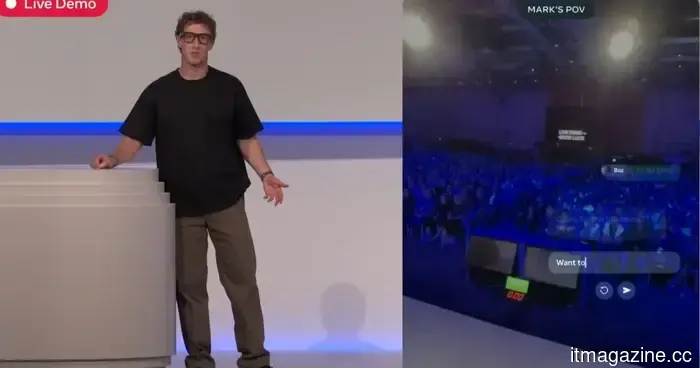 Meta employees are protesting against the company's AI policies, highlighting a lesson for everyone.
The reorganization of Meta's AI has led to employee dissatisfaction, petitions, and public protests, underscoring the increasing friction between swift AI advancements and workplace morale.
Meta employees are protesting against the company's AI policies, highlighting a lesson for everyone.
The reorganization of Meta's AI has led to employee dissatisfaction, petitions, and public protests, underscoring the increasing friction between swift AI advancements and workplace morale.
 Microsoft is contemplating completely spinning off Xbox as the division's profit margins have reached 3%.
Microsoft has not dismissed the possibility of making Xbox a subsidiary, forming a joint venture, or even selling it off completely. Profit margins have plummeted to 3%. Significant layoffs are expected in July.
Microsoft is contemplating completely spinning off Xbox as the division's profit margins have reached 3%.
Microsoft has not dismissed the possibility of making Xbox a subsidiary, forming a joint venture, or even selling it off completely. Profit margins have plummeted to 3%. Significant layoffs are expected in July.
 A Tesla operating on Autopilot veered into a garage door in Washington. Authorities are looking into the incident.
A driver in Redmond, Washington, claims that Tesla's self-driving feature failed just before the vehicle crashed through a garage door of a residence. No injuries have been reported.
A Tesla operating on Autopilot veered into a garage door in Washington. Authorities are looking into the incident.
A driver in Redmond, Washington, claims that Tesla's self-driving feature failed just before the vehicle crashed through a garage door of a residence. No injuries have been reported.
 Microsoft is contemplating a complete spinoff of Xbox due to the division's profit margins falling to 3%.
Microsoft has not dismissed the possibility of transforming Xbox into a subsidiary, forming a joint venture, or even selling it off completely. Profit margins have dropped to 3%. Significant layoffs are scheduled for July.
Microsoft is contemplating a complete spinoff of Xbox due to the division's profit margins falling to 3%.
Microsoft has not dismissed the possibility of transforming Xbox into a subsidiary, forming a joint venture, or even selling it off completely. Profit margins have dropped to 3%. Significant layoffs are scheduled for July.
A recent advancement in OLED technology could render the upcoming transparent screens truly practical for use.
A novel manufacturing technique might finally enable transparent displays to be bright, durable, and suitable for actual devices.