
Brazil's hidden World Cup asset trained the team on when to disregard it.
The data indicated that he wasn't running enough, while the footage showed he was consistently positioned in the “ideal tactical spot.”
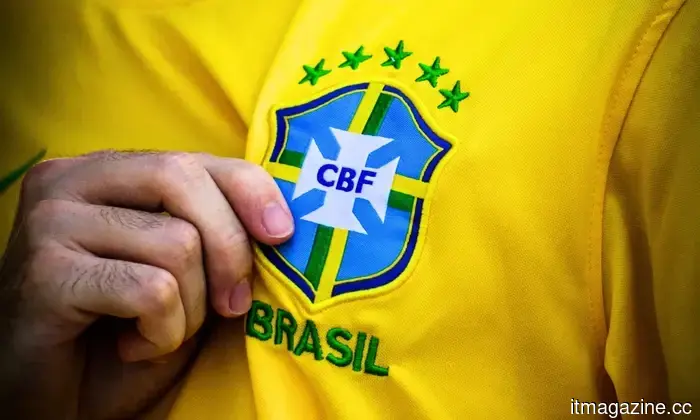
Brazil boasts more World Cup titles than any other nation, totaling five championships, but after five consecutive tournaments without a new title, the team is heavily relying on data this time.
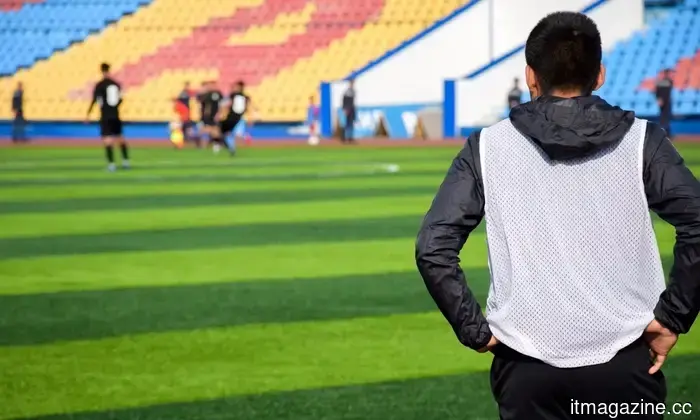
Each player wears a “smart vest” equipped with sensors that track their field position (using GPS), heart rate, and a statistic known as “player load,” similar to the metrics provided by your Whoop band or Apple Watch, but specifically tailored to soccer.
So, what do these smart vests actually measure?
The vests are worn underneath the jersey, and Brazil utilizes them across its men’s, women’s, and youth teams. Each club transmits match or practice data back to the national team daily.
This allows sports science chief Guilherme Passos to monitor various metrics such as sprint speeds, fatigue levels, and hamstring rehabilitation, not only for the national team but also for players located around the globe.
The smart vests remain on during World Cup matches as well, aiding in determining which players require rest between games. Here’s the interesting twist:
Passos highlighted a player who covered approximately 3.7 miles per match, about half the distance of their teammates. By the numbers, this player appeared to be underperforming.
Why was data nearly responsible for benching one of Brazil’s players?
However, upon reviewing the video footage, coaches discovered that the player, in Passos's words, was consistently in the right position, effectively executing his tactical role (according to BBC).
The player’s identity remains undisclosed for obvious reasons, but the key takeaway here is that performing better on the field doesn’t necessarily correlate with running more, and the most intelligent player might generate the least exciting smart vest data.
This phenomenon isn't exclusive to Brazil. FIFA approved GPS vest systems for official matches in 2015. Most of the 48 teams participating in this World Cup are employing similar technologies from companies like Catapult and STATSports, the same brands behind numerous consumer fitness devices.
This year, FIFA has embraced the data trend even further with Football AI Pro, a tool developed with Lenovo. It employs machine learning to evaluate match data and provide immediate insights to coaches and players.


Other articles
 A Tesla operating on Autopilot veered into a garage door in Washington. Authorities are looking into the incident.
A driver in Redmond, Washington, claims that Tesla's self-driving feature failed just before the vehicle crashed through a garage door of a residence. No injuries have been reported.
A Tesla operating on Autopilot veered into a garage door in Washington. Authorities are looking into the incident.
A driver in Redmond, Washington, claims that Tesla's self-driving feature failed just before the vehicle crashed through a garage door of a residence. No injuries have been reported.
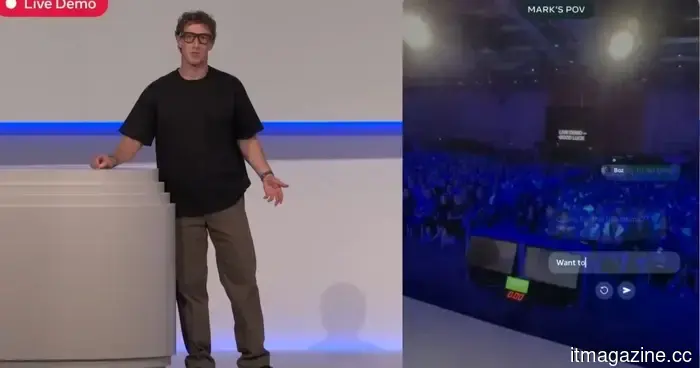 Meta employees are protesting against the company's AI regulations, serving as a reminder for everyone.
Meta’s reorganization of its AI division has led to employee discontent, petitions, and public demonstrations, underscoring the increasing friction between swift AI advancements and employee morale.
Meta employees are protesting against the company's AI regulations, serving as a reminder for everyone.
Meta’s reorganization of its AI division has led to employee discontent, petitions, and public demonstrations, underscoring the increasing friction between swift AI advancements and employee morale.
 Microsoft is contemplating a complete spinoff of Xbox due to the division's profit margins falling to 3%.
Microsoft has not dismissed the possibility of transforming Xbox into a subsidiary, forming a joint venture, or even selling it off completely. Profit margins have dropped to 3%. Significant layoffs are scheduled for July.
Microsoft is contemplating a complete spinoff of Xbox due to the division's profit margins falling to 3%.
Microsoft has not dismissed the possibility of transforming Xbox into a subsidiary, forming a joint venture, or even selling it off completely. Profit margins have dropped to 3%. Significant layoffs are scheduled for July.
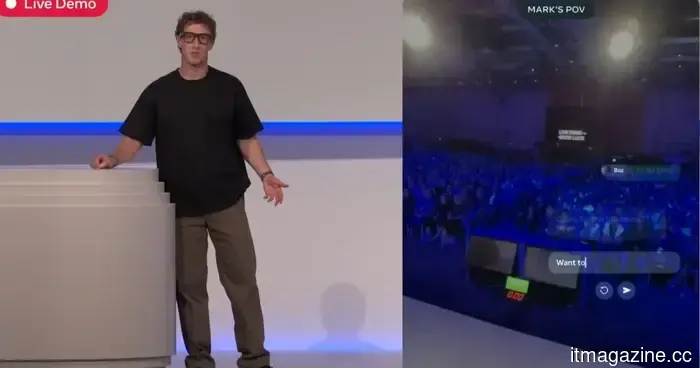 Meta employees are protesting against the company's AI policies, highlighting a lesson for everyone.
The reorganization of Meta's AI has led to employee dissatisfaction, petitions, and public protests, underscoring the increasing friction between swift AI advancements and workplace morale.
Meta employees are protesting against the company's AI policies, highlighting a lesson for everyone.
The reorganization of Meta's AI has led to employee dissatisfaction, petitions, and public protests, underscoring the increasing friction between swift AI advancements and workplace morale.
 Microsoft is contemplating completely spinning off Xbox as the division's profit margins have reached 3%.
Microsoft has not dismissed the possibility of making Xbox a subsidiary, forming a joint venture, or even selling it off completely. Profit margins have plummeted to 3%. Significant layoffs are expected in July.
Microsoft is contemplating completely spinning off Xbox as the division's profit margins have reached 3%.
Microsoft has not dismissed the possibility of making Xbox a subsidiary, forming a joint venture, or even selling it off completely. Profit margins have plummeted to 3%. Significant layoffs are expected in July.
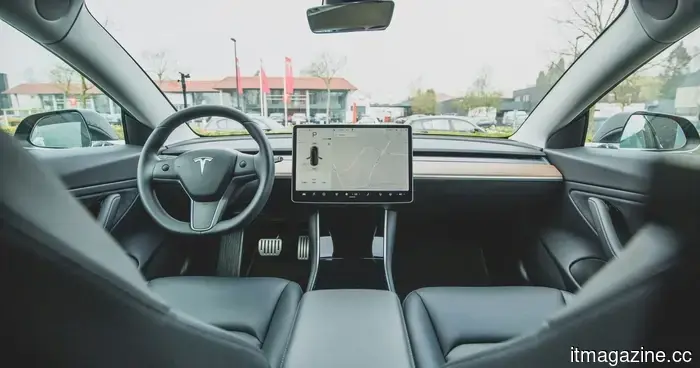 We just received a strong indication that a Tesla and SpaceX collaboration might indeed occur.
A recent statement from SpaceX President Gwynne Shotwell has rekindled speculation regarding a potential collaboration between Tesla and SpaceX. While it may not occur in the immediate future, the concept now seems significantly more plausible.
We just received a strong indication that a Tesla and SpaceX collaboration might indeed occur.
A recent statement from SpaceX President Gwynne Shotwell has rekindled speculation regarding a potential collaboration between Tesla and SpaceX. While it may not occur in the immediate future, the concept now seems significantly more plausible.
Brazil's hidden World Cup asset trained the team on when to disregard it.
Brazil's GPS vests nearly sidelined a star player due to inaccurate data. This is the reason the figures were flawed.