
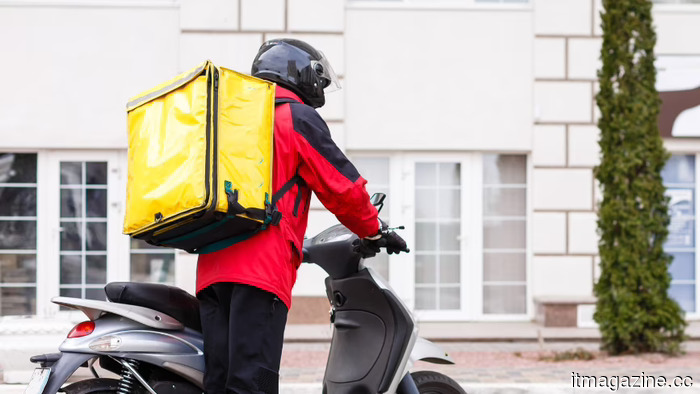
Alibaba offers $1.5 billion for the grocery chain Pupu, effectively doubling the bid from Sun Art.
According to Bloomberg, Alibaba Group is proposing $1.5 billion to acquire Pupu, one of the last independent online grocery platforms in China. This offer significantly surpasses a $600 million bid from Sun Art Retail, which was previously affiliated with Alibaba and is now supported by private equity firm DCP Capital.
This offer comes just months after Meituan agreed to pay $717 million for the Chinese branch of competitor Dingdong Fresh, a transaction still pending antitrust approval. Pupu stands out as one of the last significant independent grocery delivery services in the nation.
The significance of Pupu
Pupu runs a 30-minute delivery service that spans about 10 cities in the provinces of Fujian, Guangdong, Sichuan, and Hubei. Its annual revenue reportedly exceeds 30 billion yuan (around $4.2 billion), making it one of the most valuable remaining targets in China’s instant retail sector. The platform offers fresh produce, everyday necessities, and fast-moving consumer goods from its local warehouses. For Alibaba, acquiring Pupu would provide a quicker route to enhancing warehouse capacity, supplier connections, and cold-chain logistics that would otherwise take years to develop.
The 150 billion yuan delivery competition
Alibaba, Meituan, and JD.com have been heavily investing to capture local commerce and fresh produce, a consumer segment in China that is still relatively underdeveloped online. As reported by 36Kr, the three firms are believed to have spent over 150 billion yuan in the past year on food delivery and instant retail subsidies.
Daily order volumes, which used to hover between 80 and 90 million, surged past 200 million during the peak of the competition. At its worst, Meituan was reportedly losing about 2 yuan per order, while competitors faced losses of up to 6 yuan per order.
Regulatory scrutiny from Beijing
This bidding war comes at a challenging time. On June 11, Beijing’s market regulator censured Alibaba, JD.com, Pinduoduo, Douyin, and Xiaohongshu for misleading advertising practices during the annual 618 shopping festival, resulting in a 6% drop in Alibaba’s Hong Kong shares.
China’s grocery platforms have been engaged in years of subsidy-based price wars, which Beijing describes as “involution,” a form of destructive competition the government has attempted to rein in since imposing a historic 18.2 billion yuan fine on Alibaba in 2021. While consolidation may help reduce fragmentation, it could also risk centralizing market power among a few major platforms.
Strategic implications
As part of a broader divestiture strategy focused on its e-commerce and AI core, Alibaba sold its 73.7% stake in Sun Art to DCP Capital for approximately $1.6 billion. This transaction crystallized an estimated $1.8 billion loss on an investment made just two years prior.
The bid for Pupu indicates that Alibaba remains committed to local commerce, transitioning from managing physical hypermarkets to overseeing instant delivery infrastructure. “This indicates that Alibaba is serious about local commerce again, but it also suggests that the competitive landscape for profitability within China’s e-commerce may persist longer,” noted Charu Chanana, chief investment strategist at Saxo Markets.
Market response
Meituan’s shares fell by as much as 3.1% in Hong Kong on Friday, while Alibaba saw gains of up to 3.5%. This disparity reflects investors' perception that Alibaba is making strides in a segment where Meituan has historically held dominance.
The rising valuations also point to the increasing scarcity of independent delivery assets. Alibaba’s $1.5 billion bid values Pupu at approximately 0.36 times revenue, a significant premium compared to the $600 million offer, yet still reasonable given the platform’s day-to-day consumer reach in a competitive market among China’s three largest tech firms vying for the same clientele.
Caveats
The sale process remains confidential, with discussions ongoing. There is no guarantee of a deal, and terms could change. Meituan's planned acquisition of Dingdong is also awaiting antitrust approval, and any sale of Pupu to a leading industry player may face similar regulatory scrutiny from Beijing. The increasing bids could indicate a shift back to market-share competition rather than profitability, raising questions about whether consolidation will truly resolve the subsidy-driven delivery wars or simply shift them among fewer, larger competitors.
Other articles
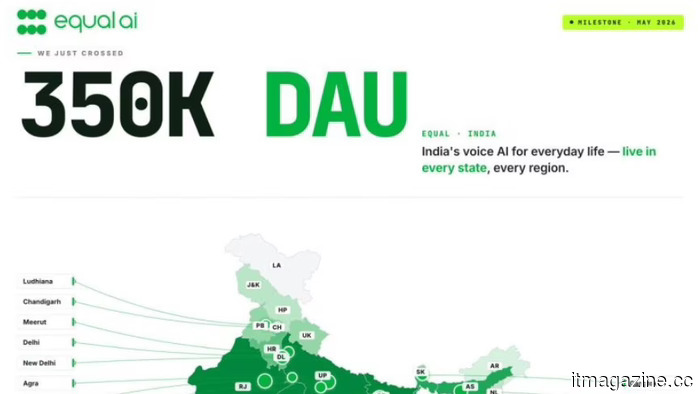 Equal AI secured $30 million to filter phone calls for Indians who receive an average of 20 spam calls each week.
Equal AI's application handles unknown calls by inquiring about the reason for the call and providing a summary. It boasts 1 million monthly users in India. The $30 million funding round was spearheaded by Prosus Ventures.
Equal AI secured $30 million to filter phone calls for Indians who receive an average of 20 spam calls each week.
Equal AI's application handles unknown calls by inquiring about the reason for the call and providing a summary. It boasts 1 million monthly users in India. The $30 million funding round was spearheaded by Prosus Ventures.
 The 90's necklace doesn't bombard you with AI; it simply monitors UV levels to protect your skin.
The90 Gem is an intelligent necklace that monitors UVA and UVB exposure in real time, assisting users in determining when to reapply sunscreen and the amount of sunlight their skin receives throughout the day.
The 90's necklace doesn't bombard you with AI; it simply monitors UV levels to protect your skin.
The90 Gem is an intelligent necklace that monitors UVA and UVB exposure in real time, assisting users in determining when to reapply sunscreen and the amount of sunlight their skin receives throughout the day.
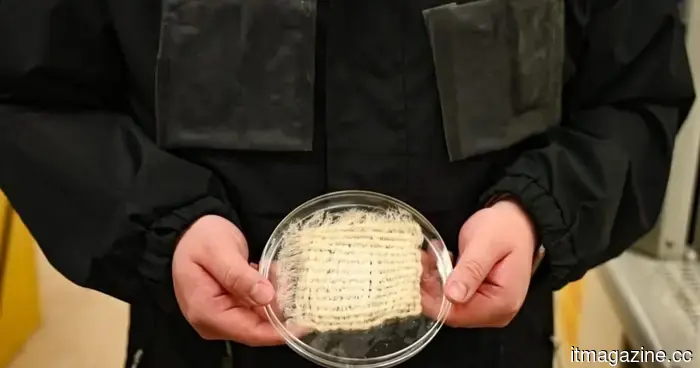 This jacket extracts drinking water directly from the atmosphere.
Engineers at UT Austin have created a jacket made from hydrogel fibers derived from biomass that extracts moisture from the air, producing up to 900 ml of potable water daily.
This jacket extracts drinking water directly from the atmosphere.
Engineers at UT Austin have created a jacket made from hydrogel fibers derived from biomass that extracts moisture from the air, producing up to 900 ml of potable water daily.
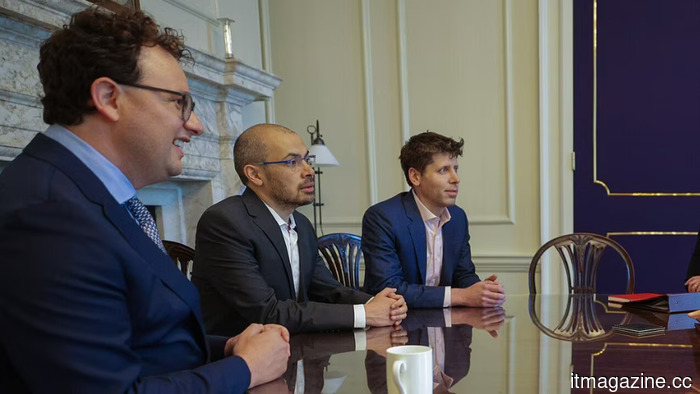 AI competitors Altman, Amodei, and Hassabis are heading to the G7 summit.
The CEOs of OpenAI, Anthropic, and Google DeepMind will be present at the G7 in France next week, as two of the three get ready for significant IPOs and encounter scrutiny regarding AI governance.
AI competitors Altman, Amodei, and Hassabis are heading to the G7 summit.
The CEOs of OpenAI, Anthropic, and Google DeepMind will be present at the G7 in France next week, as two of the three get ready for significant IPOs and encounter scrutiny regarding AI governance.
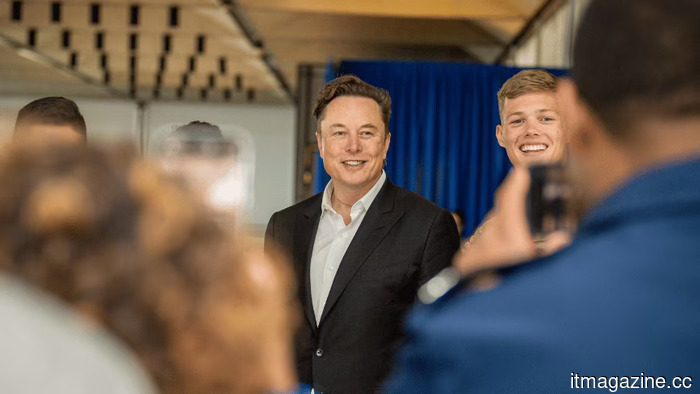 SpaceX secures $75 billion in the largest IPO in history, while Japan receives $2.2 billion.
SpaceX commenced trading on Nasdaq at a share price of $135 following a $75 billion IPO, which is 2.5 times greater than Saudi Aramco's previous record. Japanese retail investors purchased $2.2 billion worth of shares.
SpaceX secures $75 billion in the largest IPO in history, while Japan receives $2.2 billion.
SpaceX commenced trading on Nasdaq at a share price of $135 following a $75 billion IPO, which is 2.5 times greater than Saudi Aramco's previous record. Japanese retail investors purchased $2.2 billion worth of shares.
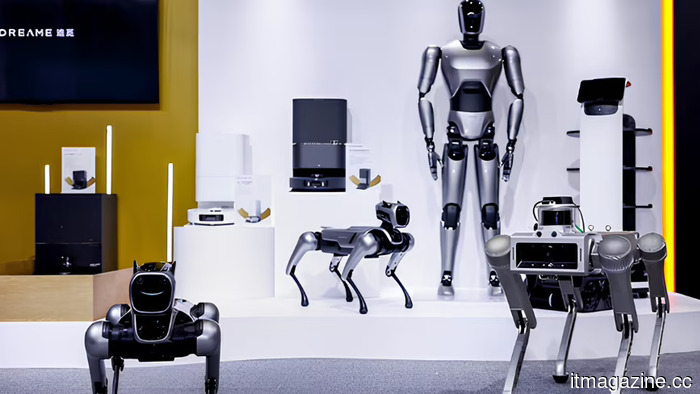 Dreame, the leading manufacturer of robot vacuums globally, is considering an initial public offering (IPO) in Hong Kong.
Dreame Technology is planning to pursue a Hong Kong listing as early as next year. The company, valued at $9.6 billion, leads the market in robot vacuum sales across 30 nations and is in the process of developing a hypercar.
Dreame, the leading manufacturer of robot vacuums globally, is considering an initial public offering (IPO) in Hong Kong.
Dreame Technology is planning to pursue a Hong Kong listing as early as next year. The company, valued at $9.6 billion, leads the market in robot vacuum sales across 30 nations and is in the process of developing a hypercar.
Alibaba offers $1.5 billion for the grocery chain Pupu, effectively doubling the bid from Sun Art.
Alibaba is proposing $1.5 billion for the Chinese grocery platform Pupu, which is more than twice the offer made by Sun Art Retail. This acquisition would escalate its competition with Meituan in the realm of instant delivery.