
The Shift of Personalized Wellness Devices Away from One-Size-Fits-All Approaches
From fitness trackers to sensory technology, an expanding range of devices is examining how personalized guidance can be integrated into daily wellness practices.
A decade ago, most wellness products required individuals to adhere to the same routine: download the app, follow the program, and hope it proves effective.
This methodology mirrored the design of numerous health and wellness products during that period. Whether tracking exercise, enhancing sleep habits, or experimenting with a new wellness device, the experience frequently resembled that of other users.
Today, consumers are seeking something different. Streaming services recommend content to watch. Retail platforms suggest items based on previous purchases. Even navigation applications modify routes in real-time. As people have grown accustomed to personalized experiences in various aspects of their lives, many wellness companies are beginning to follow suit.
Instead of providing uniform experiences to every user, numerous companies are creating products tailored to individual tendencies and preferences.
The Shift Toward Personalization
Personalization is now prevalent throughout the wellness sector. Fitness apps modify workout recommendations based on users' activity levels. Sleep trackers create reports based on nightly behaviors. Other products utilize surveys, sensors, or app feedback to deliver a more personalized experience.
The aim is not necessarily medical treatment; often, companies simply strive to make wellness tools more relevant and user-friendly.
Exploring Sensory Technology
Another area gaining interest involves products that utilize sound, vibration, light, or other sensory inputs. Companies are experimenting with how these elements can fit into daily wellness practices, typically merging wearable devices with software that adapts to each user.
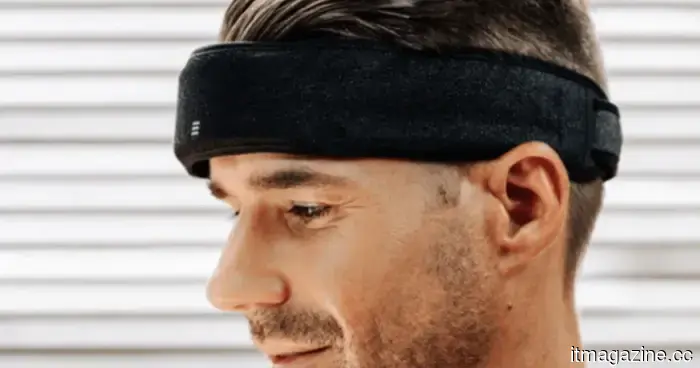
An example is SONU, a wearable device from SoundHealth. The company states that users provide information through a companion app to customize the acoustic experience generated by the device.
This concept reflects a wider trend toward personalization as opposed to one-size-fits-all experiences.
The Importance of Habit
One significant challenge for wellness technology is not innovation but maintaining consistency. Many individuals embark on new routines with enthusiasm, only to abandon them after a few weeks. Consequently, companies closely monitor whether their products become integrated into users' daily habits.
According to information reported by the company, SONU users have completed hundreds of thousands of treatment sessions, indicating that some users continue to return to the platform after their initial experience.
For wellness companies, such consistent engagement may be just as vital as attracting new users.
When Personalization Becomes the Expectation
Personalization has emerged as a prevalent theme in wellness technology, and this trend shows no signs of abating.
Some companies focus on fitness, while others investigate sleep, mindfulness, comfort, or sensory experiences. Devices like SONU demonstrate how software, wearables, and user feedback are increasingly fused into a cohesive experience.
The appeal of these devices may be less about the technology itself and more about the sensation that the experience has been designed with the individual in mind.
This article is intended for informational purposes only and should not be regarded as professional medical advice. For medical advice, diagnosis, or treatment, please consult a qualified healthcare provider.
Prices and availability are accurate as of the time of publication and may change without notice. Please visit the retailer’s website for the most current pricing information.
Digital Trends collaborates with external contributors. All contributor content is reviewed by the Digital Trends editorial team.
Other articles
 A botnet associated with the Chinese state has expanded to include 1,500 compromised routers and is identifying susceptible targets within hours of being revealed.
The JDY botnet, associated with China's Volt Typhoon, has increased its size twofold and now searches for recently exposed vulnerabilities within a matter of hours. The majority of its nodes are located in the United States.
A botnet associated with the Chinese state has expanded to include 1,500 compromised routers and is identifying susceptible targets within hours of being revealed.
The JDY botnet, associated with China's Volt Typhoon, has increased its size twofold and now searches for recently exposed vulnerabilities within a matter of hours. The majority of its nodes are located in the United States.
 Steam is discontinuing gift cards due to issues caused by scammers.
Steam Gift Cards are becoming increasingly scarce on store shelves. According to Valve, scammers have continued to exploit physical cards, despite being warned and the implementation of retail restrictions and various anti-fraud measures.
Steam is discontinuing gift cards due to issues caused by scammers.
Steam Gift Cards are becoming increasingly scarce on store shelves. According to Valve, scammers have continued to exploit physical cards, despite being warned and the implementation of retail restrictions and various anti-fraud measures.
 ChatGPT is suggesting fraudulent websites that may steal your credit card information.
According to the scam-checking service Ask Silver, ChatGPT is displaying fraudulent replicas of inactive retail websites when users seek product suggestions. These counterfeit storefronts aim to capture payment details.
ChatGPT is suggesting fraudulent websites that may steal your credit card information.
According to the scam-checking service Ask Silver, ChatGPT is displaying fraudulent replicas of inactive retail websites when users seek product suggestions. These counterfeit storefronts aim to capture payment details.
 Tesla Full Self-Driving
Musk claims that genuine autonomy involves being able to sleep during your commute. Tesla's robotaxis in Austin experience crashes every 57,000 miles, which is four times the average rate for humans.
Tesla Full Self-Driving
Musk claims that genuine autonomy involves being able to sleep during your commute. Tesla's robotaxis in Austin experience crashes every 57,000 miles, which is four times the average rate for humans.
 A botnet connected to the Chinese state has expanded to 1,500 compromised routers and is identifying vulnerable targets within hours of their announcement.
The JDY botnet, associated with China's Volt Typhoon, has increased in size and now searches for newly revealed vulnerabilities within hours. The majority of its nodes are located in the United States.
A botnet connected to the Chinese state has expanded to 1,500 compromised routers and is identifying vulnerable targets within hours of their announcement.
The JDY botnet, associated with China's Volt Typhoon, has increased in size and now searches for newly revealed vulnerabilities within hours. The majority of its nodes are located in the United States.
 ChatGPT is suggesting fraudulent websites that could take your credit card information.
According to the scam-checking service Ask Silver, ChatGPT is displaying fraudulent replicas of inactive retail websites when users seek product suggestions. These counterfeit stores are created to capture payment details.
ChatGPT is suggesting fraudulent websites that could take your credit card information.
According to the scam-checking service Ask Silver, ChatGPT is displaying fraudulent replicas of inactive retail websites when users seek product suggestions. These counterfeit stores are created to capture payment details.
The Shift of Personalized Wellness Devices Away from One-Size-Fits-All Approaches
From fitness trackers to sensory technologies, an expanding range of devices is investigating how tailored guidance can be integrated into daily wellness practices. Ten years ago, the majority of wellness products required individuals to adhere to a uniform routine: download the app, stick to the plan, and wish for successful outcomes. This method mirrored the way many health and wellness...