
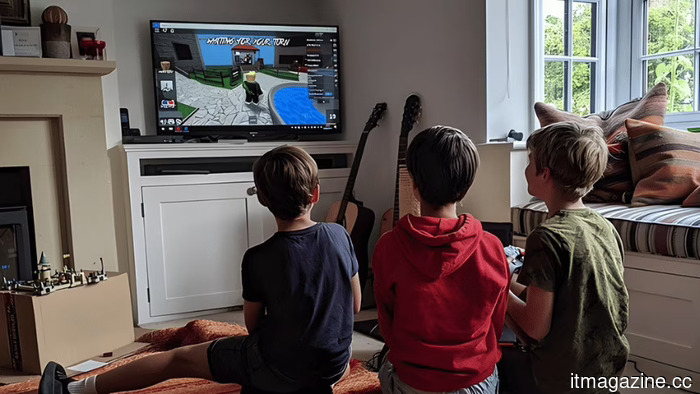
Russia lifts the ban on Roblox following complaints from 63,000 children.
**TL;DR** Russia reinstated access to Roblox after banning it in December due to “inappropriate content.” The decision followed 63,000 complaints from children, half of whom expressed a desire to emigrate.
Russia reopened access to Roblox on Wednesday, as it determined that the company had fulfilled local legal requirements, according to the Interfax news agency. The gaming site had been blocked since December 3, affecting approximately 18 million monthly users, primarily children and teenagers.
The Digital Ministry stated that Roblox had taken “a comprehensive set of measures to further protect children” and promised to work against “the spread of inappropriate content on the platform.” According to the agreement, Russian users will be divided into age-specific categories, including Roblox Kids for ages five to eight and Roblox Select for ages nine to 15.
**63,000 Letters**
The ban sparked one of the more peculiar protest movements in recent Russian history. Ekaterina Mizulina, head of the Kremlin-aligned Safe Internet League, reported receiving 63,000 letters from children aged eight to 16, with half stating they wished to leave the country.
Kremlin spokesperson Dmitry Peskov confirmed the presidential administration was “inundated with complaints” but downplayed the claims of emigration. “They don’t mention leaving Russia, but they do talk about this game,” he remarked.
**Reasons for the Ban**
The communications watchdog Roskomnadzor blocked Roblox in December, citing content that could “negatively affect the spiritual and moral development of children.” The regulator also accused the platform of containing extremist materials and content labeled as "LGBT propaganda," which Russia criminalized in 2023.
Roblox was the most downloaded mobile game in Russia in 2023. Its ban eliminated a major digital platform for Russian children overnight.
**Roblox's Agreement**
The company acknowledged its difficulties in moderating in-game content and protecting user chats, as per Roskomnadzor. It committed to aligning its operations with Russian law, which included implementing the age-based account structure that Roblox was already launching globally.
Roblox Kids disables all chat by default and limits content to games rated Minimal or Mild. Roblox Select, for older children, allows greater content access, but with stricter parental controls than standard accounts.
**Stock Movement**
Roblox shares surged by as much as 5.37% on Tuesday following reports that Russian authorities were considering lifting the ban. The stock was trading around $43.70 in New York on Tuesday morning, according to Bloomberg.
Russia’s 18 million monthly users make up a notable portion of Roblox’s global user base of over 100 million daily active users. The restoration of access alleviates a hurdle that had been affecting the stock since December.
**The Flags**
Russia's stated justifications for the ban—child safety and inappropriate content—align with concerns from regulators in Europe and the US. However, Russia also referenced "LGBT propaganda" and "extremist materials," categories that reflect the Kremlin’s broader censorship agenda rather than standard content moderation.
The specifics of what “compliance with Russian law” entails have not been publicly detailed. Roblox has not clarified whether it agreed to restrict or eliminate certain content categories for Russian users or if its existing age-based rollout was sufficient to appease Roskomnadzor.
The reversal followed ongoing public pressure from children and parents, rather than a regulatory review deeming the original ban unjustified. Russia’s Digital Ministry framed the development as Roblox meeting its demands, but the timeline suggests the political cost of upsetting millions of young users played a significant role.
Other articles
 KPMG accessed a whistleblower's computer secretly.
KPMG covertly accessed a whistleblower's work computer multiple times and distributed the files to senior partners and its CEO. Although it was within the law, that is the issue at hand.
KPMG accessed a whistleblower's computer secretly.
KPMG covertly accessed a whistleblower's work computer multiple times and distributed the files to senior partners and its CEO. Although it was within the law, that is the issue at hand.
 Aryon Security secures $29 million to safeguard against cloud breaches.
Aryon Security secured $29 million in funding, supported by CrowdStrike's George Kurtz, Datadog, and Shlomo Kramer, with the aim of preventing cloud breaches before they occur.
Aryon Security secures $29 million to safeguard against cloud breaches.
Aryon Security secured $29 million in funding, supported by CrowdStrike's George Kurtz, Datadog, and Shlomo Kramer, with the aim of preventing cloud breaches before they occur.
 OpenAI supports Poetic in the automation of underwriting and compliance processes.
Poetic has emerged from stealth with $50 million in funding at a $500 million valuation, supported by OpenAI, to automate underwriting, compliance, and fraud detection for companies such as AIG and SoFi.
OpenAI supports Poetic in the automation of underwriting and compliance processes.
Poetic has emerged from stealth with $50 million in funding at a $500 million valuation, supported by OpenAI, to automate underwriting, compliance, and fraud detection for companies such as AIG and SoFi.
 Aryon Security secures $29 million to avert cloud breaches.
Aryon Security secured $29 million in funding, supported by CrowdStrike's George Kurtz, Datadog, and Shlomo Kramer, to prevent cloud breaches before they occur.
Aryon Security secures $29 million to avert cloud breaches.
Aryon Security secured $29 million in funding, supported by CrowdStrike's George Kurtz, Datadog, and Shlomo Kramer, to prevent cloud breaches before they occur.
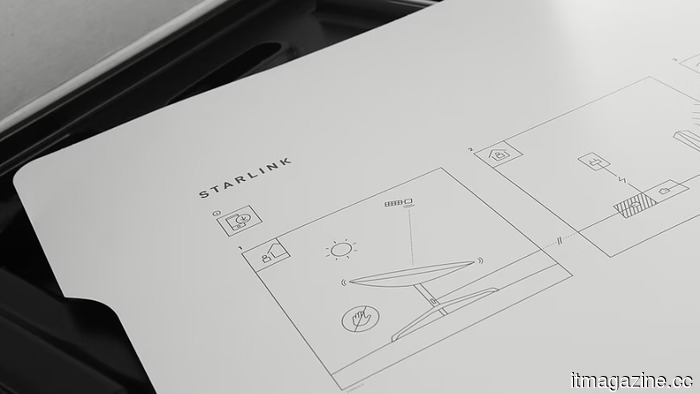 India halted Starlink's approvals due to concerns regarding Iran, just days before SpaceX’s historic IPO.
Indian security authorities halted the launch of Starlink after terminals were spotted in Iran without authorization. This development comes at an inconvenient time for SpaceX's $75 billion IPO.
India halted Starlink's approvals due to concerns regarding Iran, just days before SpaceX’s historic IPO.
Indian security authorities halted the launch of Starlink after terminals were spotted in Iran without authorization. This development comes at an inconvenient time for SpaceX's $75 billion IPO.
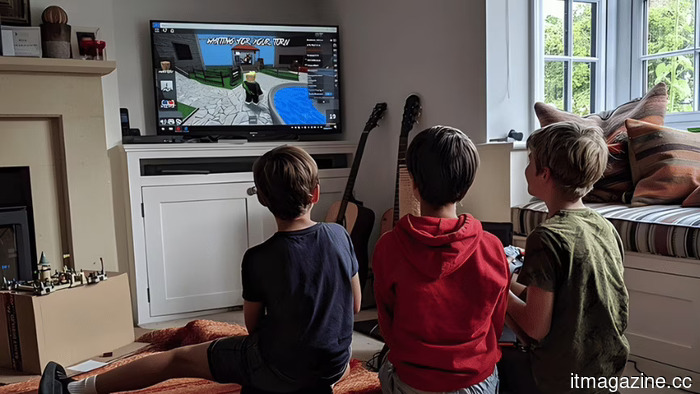 Russia lifts the ban on Roblox following complaints from 63,000 children.
Russia has reestablished access to Roblox after having banned the gaming platform in December. This change came after receiving 63,000 complaints from children, with half expressing a desire to leave Russia.
Russia lifts the ban on Roblox following complaints from 63,000 children.
Russia has reestablished access to Roblox after having banned the gaming platform in December. This change came after receiving 63,000 complaints from children, with half expressing a desire to leave Russia.
Russia lifts the ban on Roblox following complaints from 63,000 children.
Russia has reinstated access to Roblox following a ban imposed in December. This change came after the receipt of 63,000 complaint letters from children, with half expressing a desire to leave the country.