

Apple's WWDC 2026 introduced changes to the App Store that allow independent developers to combine subscriptions.
Apple revealed a comprehensive set of updates to the App Store during WWDC 2026 on Monday, highlighting cross-developer subscription bundles, group purchases, enterprise volume licensing, and an AI-based discovery system that recommends applications based on users' installed software. These changes signify the most substantial alterations in how developers market and sell apps since the launch of subscription pricing in 2016.
The standout feature for developers is the introduction of cross-developer App Store Bundles, enabling independent developers to combine their subscription services and offer them at a discounted rate. A related option, App Store Suites, consolidates complementary apps from various developers into a single subscription. Both innovations aim to fulfill a long-standing demand from developers for the ability to create bundles without having to be part of the same parent company.
Group purchasing allows a subscriber to buy multiple seats of an app and invite others to utilize them, with this feature set to launch in winter 2026. Volume purchasing via Apple Business Manager and Apple School Manager, which will arrive in fall 2026, enables organizations to acquire app licenses in bulk. Collectively, these features align the App Store more closely with the enterprise software distribution model that has long been utilized by Google and Microsoft.
On the discovery front, Apple is introducing Personalized Collections and App Notes starting this week in the US. Personalized Collections leverage on-device intelligence to suggest apps based on existing installations, providing recommendations such as “Apps that pair well with your photography workflow.” App Notes consist of brief editorial descriptions attached to recommendations, explaining the rationale behind each suggestion. Both features operate locally and do not transmit app usage data to Apple’s servers.
Developers now have access to a new Creative Assets system that enhances media placement throughout the App Store. Product page headers and search results can display video previews, animated content, and high-resolution images managed through a centralized Asset Library in App Store Connect. These assets can be submitted separately from app updates, allowing developers to refresh their marketing without requiring a new app build.
Game developers will benefit from a unique tool called Featuring Nominations, which enables them to propose their games for editorial positioning in the Apple Games app. This feature is part of a broader initiative to establish a distinct curation process for the Apple Games storefront, separate from the main App Store editorial team.
The new Retention Messaging tools help developers mitigate subscriber churn. If a user attempts to cancel a subscription, developers can present targeted offers, outline recent updates, or highlight features the user has not yet explored. Apple has not disclosed the revenue share it will take from subscriptions retained through these messages, although this feature follows the existing App Store commission framework.
A number of operational updates streamline developer interactions with the App Store. In-App Purchase submissions can now be grouped for collective review instead of requiring individual assessments. Additionally, the Mac App Store will no longer mandate support for Intel-based Macs, reflecting Apple’s transition to its own silicon.
Previously, Apple announced that the App Store ecosystem facilitated $1.4 trillion in developer billings and sales in 2025, a statistic shared on June 4 prior to the conference. This figure sets the economic context for all the features presented on Monday.
One of the more significant updates for users is the new Screen Time categorization system. Beginning in July, Apple will modify its age rating questionnaire, requiring developers to classify their apps as Social Media, Entertainment, Games, or Other. By doing so, parents will be able to set daily time limits for each category through Screen Time, instead of managing allowances for individual apps.
This new categorization will complement the expanded parental controls Apple introduced in iOS 27, which offer contact approval for children's accounts and automatic intervention when explicit content is shared. This category-level strategy replaces the previous method of blocking specific apps, a system parents have frequently found difficult to manage.
These updates come amid ongoing regulatory scrutiny and legal challenges to Apple’s App Store practices. Last month, the US Supreme Court declined to halt a contempt order against Apple in the Epic Games case, maintaining a ruling that prohibits the company from taking a commission on purchases made via external links. In Europe, Apple faces enforcement actions under the Digital Markets Act for limiting how developers can communicate with users about alternative payment methods.
While cross-developer bundles and group purchasing do not directly address these legal issues, they broaden the range of commercial arrangements available within Apple’s own store. The rationale is clear: to provide developers with new incentives to remain within the ecosystem rather than divert transactions elsewhere.
In addition, Apple reached a $250 million settlement last month regarding claims about Siri AI marketing and used the keynote at WWDC to finally present the personalized assistant features it had promoted two years prior. Although the App Store announcements were separate from the Siri AI reveal, the overarching message remained consistent: Apple aims to demonstrate that its platform continues to offer sufficient value to developers and users to justify the commission structure that is currently under scrutiny from regulators and court actions.
Other articles
 Reevaluating growth frameworks: Rush Digital Marketing’s strategy regarding ownership and independence.
Amanda Rush, Nexus Install, LinkedIn lead generation, B2B engagement, client onboarding, coaching enterprise, consulting development, marketing automation, online marketing, outreach frameworks, lead-generation management.
Reevaluating growth frameworks: Rush Digital Marketing’s strategy regarding ownership and independence.
Amanda Rush, Nexus Install, LinkedIn lead generation, B2B engagement, client onboarding, coaching enterprise, consulting development, marketing automation, online marketing, outreach frameworks, lead-generation management.
 Reconsidering growth frameworks: Rush Digital Marketing’s strategy regarding ownership and independence.
Amanda Rush, Nexus Install, LinkedIn lead generation, B2B outreach, acquiring clients, coaching enterprises, consulting expansion, marketing automation, online marketing, outreach strategies, lead generation management.
Reconsidering growth frameworks: Rush Digital Marketing’s strategy regarding ownership and independence.
Amanda Rush, Nexus Install, LinkedIn lead generation, B2B outreach, acquiring clients, coaching enterprises, consulting expansion, marketing automation, online marketing, outreach strategies, lead generation management.
 Resident Evil Veronica brings Code Veronica back to life for a fresh nightmare in 2027.
Capcom has officially revealed Resident Evil Veronica, a contemporary remake of Code: Veronica, reviving Claire Redfield’s harrowing experience on Rockfort Island in 2027.
Resident Evil Veronica brings Code Veronica back to life for a fresh nightmare in 2027.
Capcom has officially revealed Resident Evil Veronica, a contemporary remake of Code: Veronica, reviving Claire Redfield’s harrowing experience on Rockfort Island in 2027.
 The resurgence of Xbox exclusives begins with Gears of War and Clockwork Revolution.
Microsoft has confirmed that Gears of War: E-Day and Clockwork Revolution will be exclusive to Xbox consoles, with both titles also set to be available on PC and through Game Pass.
China gives the green light to its first commercial brain implant, surpassing Neuralink.
China has granted approval for the world’s first commercial brain-computer interface, surpassing Neuralink in the race to market. This technology enables movement restoration for paralyzed individuals, but it raises significant ethical questions.
The resurgence of Xbox exclusives begins with Gears of War and Clockwork Revolution.
Microsoft has confirmed that Gears of War: E-Day and Clockwork Revolution will be exclusive to Xbox consoles, with both titles also set to be available on PC and through Game Pass.
China gives the green light to its first commercial brain implant, surpassing Neuralink.
China has granted approval for the world’s first commercial brain-computer interface, surpassing Neuralink in the race to market. This technology enables movement restoration for paralyzed individuals, but it raises significant ethical questions.
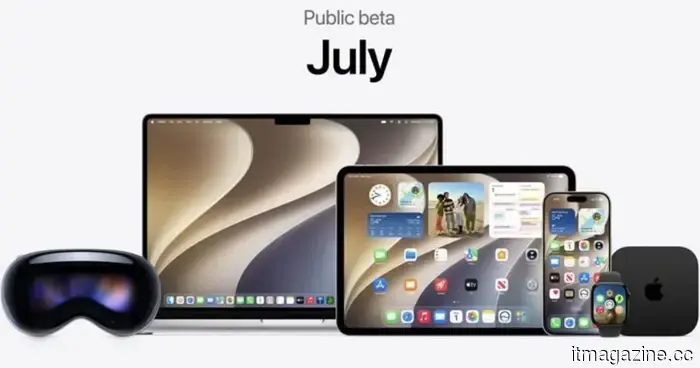 Apple unveils iOS 27, featuring quick app launches, enhanced Siri AI, and improvements in Liquid Glass for your iPhone.
iOS 27 has been officially released, and if your iPhone seemed to be slower following the iOS 26 update, Apple claims this new update addresses that issue.
Apple unveils iOS 27, featuring quick app launches, enhanced Siri AI, and improvements in Liquid Glass for your iPhone.
iOS 27 has been officially released, and if your iPhone seemed to be slower following the iOS 26 update, Apple claims this new update addresses that issue.
Apple's WWDC 2026 introduced changes to the App Store that allow independent developers to combine subscriptions.
Apple unveiled cross-developer App Store bundles, shared subscriptions, volume purchasing options, and AI-powered Personalized Collections during WWDC 2026.