

Apple is said to have significantly reduced its Vision timeline for smart glasses, making Meta's leadership even more crucial.
A year ago, Apple analyst Ming-Chi Kuo released a Vision product roadmap that included seven devices. Now, he has shared a revised version with only two products left.
Kuo claims that this alteration in the product roadmap has received approval from John Ternus, Apple's soon-to-be CEO, who will officially take charge on September 1, 2026.
What has Apple eliminated and what remains?
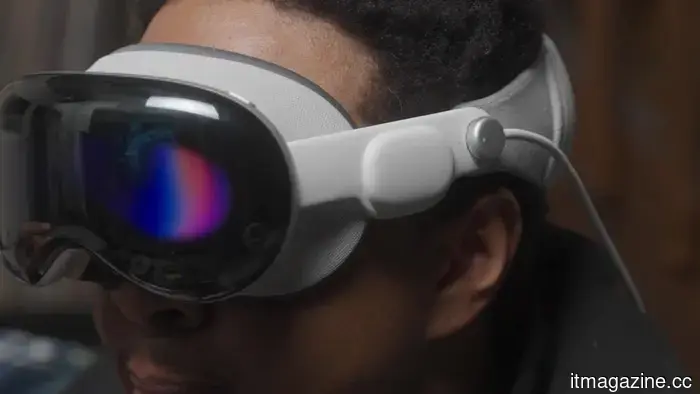
Zeke Jones / Digital Trends
According to Kuo’s updated analysis (via X), only two out of the seven original products are still in development, while five have been cancelled.
Of the two remaining products, one is a set of AI smart glasses that will compete directly with the Meta Ray-Ban series, and the other is a display-equipped pair of AR glasses that utilize optical waveguides to overlay virtual content onto the real world.
The AI glasses are anticipated in 2027, while the AR glasses are not expected until 2029 at the earliest. All other plans, including a successor to the Vision Pro and the lighter Vision Air, have been scrapped.
Kuo elaborates that Apple’s strategy focuses on “smart glasses with greater mass-market potential,” a sentiment I completely agree with, though the timing may not be ideal.
Why are smart glasses considered a better option than mixed reality headsets?
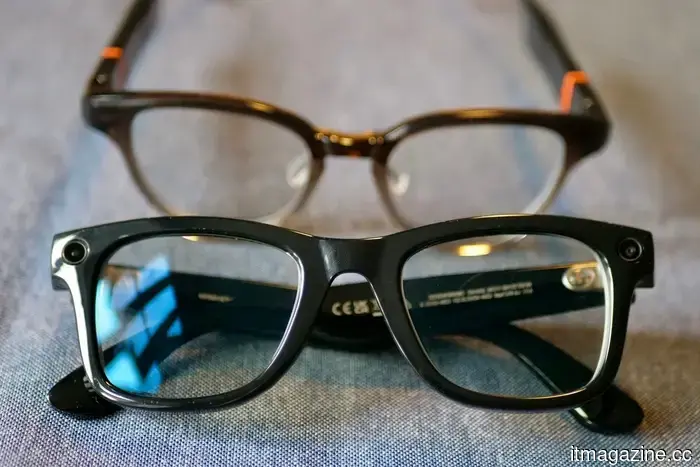
Ray-Ban Meta (front) and Solos AirGo 3 Andy Boxall / Digital Trends
As per a report from Counterpoint Research released in February 2026, global shipments of smart glasses surged 139% year-over-year in the latter half of 2025.
Meta, the company behind the world's leading AI smart glasses, is dominating the market with its strong product lineup (which includes the Meta Ray-Ban Display) and steady introduction of AI-powered features.
During the same timeframe, Meta captured 82% of the market share, thanks to its global reach, solid partnerships with well-known eyewear brands, and hardware supported by user-friendly software features.
The company has successfully showcased the market's potential, which is only expected to expand in the coming years. It is evident that Apple aims to enter this market, but Meta's significant head start and experience might pose challenges for the Cupertino company.
Is Apple running out of time in the smart glasses competition?
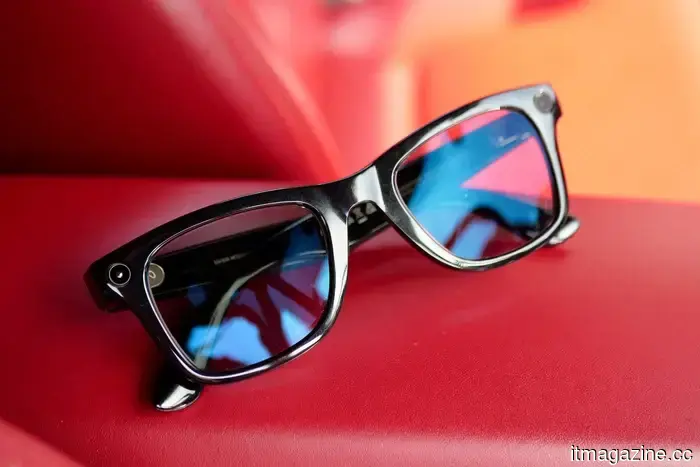
Andy Boxall / Digital Trends
Every month Apple spends reshuffling its roadmap is a month that Meta spends selling, improving, and establishing the retail framework that normalizes the use of smart glasses.
Adding to the concern is that Apple’s smart glasses may not be delivered until late 2027, granting Meta at least another year and a half to develop new products, enhance its features, and further entrench its market position.
Apple seems to believe it can enter the market late and still succeed based on brand reputation, design, and seamless integration with the iPhone, mirroring the strategy that allowed it to gain an advantage over smartwatch competitors in 2015. However, this means that Apple’s first AI glasses must be at least as good, if not better, than what Meta will have on the market by then.
In my view, the Vision Pro was more of a strategic platform initiative than a consumer product, and Ternus’ choice to cancel its successor reflects the acknowledgment that this strategy did not yield results at the pace Apple aspired to. The crucial question is not whether rechanneling resources to smart glasses is a sound decision, but whether Apple is already too late to the game.
Other articles
 Leaked wallpapers for the Pixel 11 suggest the possible color choices that may be available.
Leaked wallpapers for the Pixel 11 series indicate a shift towards a more subdued color palette for Google's upcoming smartphones, featuring gentle greens, beiges, and pinks in place of the brighter hues seen in previous years.
Leaked wallpapers for the Pixel 11 suggest the possible color choices that may be available.
Leaked wallpapers for the Pixel 11 series indicate a shift towards a more subdued color palette for Google's upcoming smartphones, featuring gentle greens, beiges, and pinks in place of the brighter hues seen in previous years.
 Within the thoughts of a viral indie hacker.
Samuel Rizzon transitioned from creating a billion-document signature platform in Brazil to transforming GitCity into a viral success, boasting 80,000 buildings and 180,000 visitors, all by incorporating distribution as an integral aspect of the product.
Within the thoughts of a viral indie hacker.
Samuel Rizzon transitioned from creating a billion-document signature platform in Brazil to transforming GitCity into a viral success, boasting 80,000 buildings and 180,000 visitors, all by incorporating distribution as an integral aspect of the product.
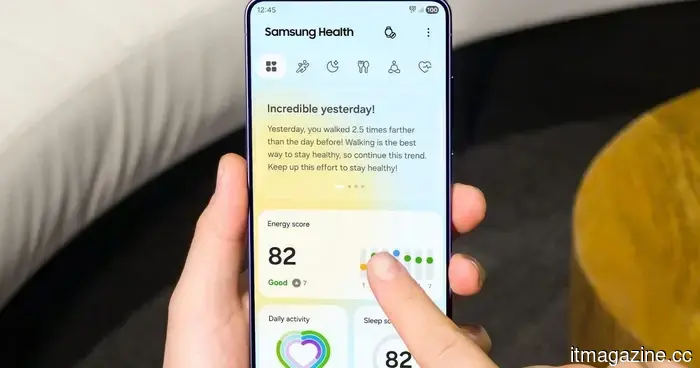 The most significant update for Samsung Health will transform your Galaxy Watch into a personal health coach.
Samsung Health is undergoing a significant update that will transform your Galaxy Watch into an active health coach, simplifying complex biometric data into clear, actionable advice that you can utilize.
The most significant update for Samsung Health will transform your Galaxy Watch into a personal health coach.
Samsung Health is undergoing a significant update that will transform your Galaxy Watch into an active health coach, simplifying complex biometric data into clear, actionable advice that you can utilize.
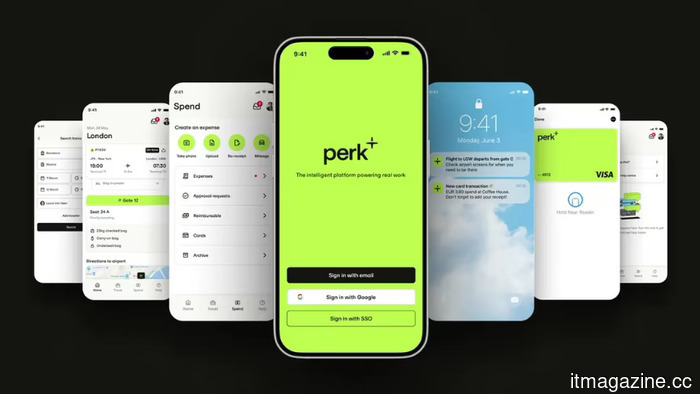 Perk secures a $300 million credit facility to advance its AI platform in the US market.
Perk, previously known as TravelPerk, has secured a $300 million private credit facility, spearheaded by Neuberger Specialty Finance, aimed at financing AI investments and launching a spending platform in the US.
The EU's tech sovereignty initiative limits US cloud services and introduces Chips Act 2.0.
Europe's technology sovereignty initiative limits US cloud services for government data and introduces Chips Act 2.0 to enhance advanced chip production.
Perk secures a $300 million credit facility to advance its AI platform in the US market.
Perk, previously known as TravelPerk, has secured a $300 million private credit facility, spearheaded by Neuberger Specialty Finance, aimed at financing AI investments and launching a spending platform in the US.
The EU's tech sovereignty initiative limits US cloud services and introduces Chips Act 2.0.
Europe's technology sovereignty initiative limits US cloud services for government data and introduces Chips Act 2.0 to enhance advanced chip production.
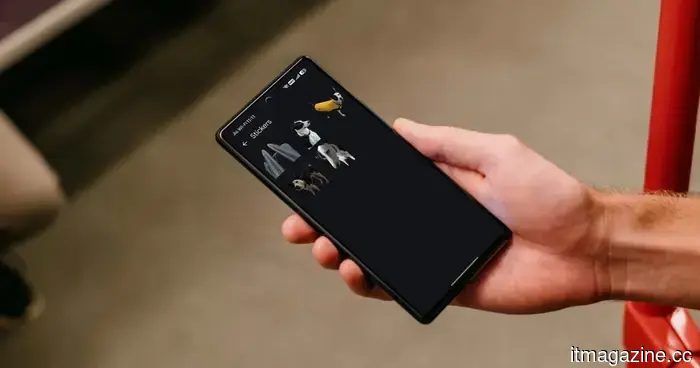 Google Photos on Android now offers a dedicated space for your personalized stickers.
Google Photos on Android is introducing a dedicated Stickers folder within the Collections tab, which will automatically save all custom stickers you create. This update aligns the Android app's features with those of iOS, which received this folder back in January.
Google Photos on Android now offers a dedicated space for your personalized stickers.
Google Photos on Android is introducing a dedicated Stickers folder within the Collections tab, which will automatically save all custom stickers you create. This update aligns the Android app's features with those of iOS, which received this folder back in January.
Apple is said to have significantly reduced its Vision timeline for smart glasses, making Meta's leadership even more crucial.
Apple's Vision range has been reduced from seven products to two, and the individual responsible for that decision is the same one set to become CEO on September 1.