
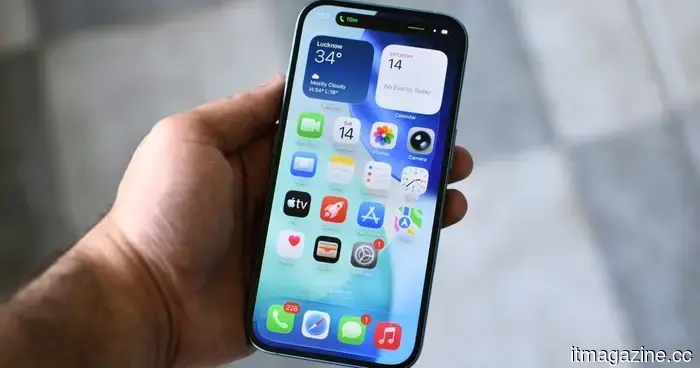
Apple might incorporate Android’s most intelligent anti-theft feature into future iPhones.
Apple may soon introduce a new anti-theft feature that makes it notably more difficult to access stolen iPhones. This feature is reportedly in development and bears a close resemblance to one of Android’s most effective security tools. A report from 9to5Mac indicates that Apple is creating a system capable of automatically detecting when an iPhone is forcibly taken from a user and locking the device immediately, preventing a thief from accessing personal information.
This feature is expected to utilize a blend of motion sensors, accelerometer data, and contextual clues to assess whether the phone was abruptly grabbed and removed in an unusual manner. If the system suspects a theft is occurring, it will automatically initiate a lock state to prevent unauthorized access.
Apple is addressing a significant security vulnerability
This initiative underscores a rising problem with smartphone theft in today’s world. Current protections for iPhones, like Stolen Device Protection and Find My, help secure user data once a device is lost. However, these measures are much less effective if the phone is taken while it’s unlocked.
Such scenarios are increasingly frequent in actual theft incidents, especially in busy urban areas where criminals can snatch unlocked phones, quickly disable security features, reset passwords, or access banking applications before the owner can take action.
Apple’s new solution seems heavily inspired by Android’s Theft Detection Lock feature, which was introduced with Android 15. Google’s system employs AI and motion sensors to detect sudden movements typically related to theft, such as someone quickly taking a phone and fleeing on foot, by bike, or in a vehicle. Once activated, the Android device automatically locks itself and implements additional security measures.
As per the report, Apple’s version may extend this functionality by incorporating proximity data from a paired Apple Watch to verify if the phone is still close to its owner. The company might also merge this with location data currently utilized in Stolen Device Protection to ascertain if the iPhone is located in a familiar area, like home or work.
If the device identifies suspicious activity in an unfamiliar location, it could automatically limit access to sensitive settings, account modifications, passwords, and security features.
Significance of this development
This feature has the potential to be one of Apple’s most practical security improvements in years, as it addresses a specific, real-world issue rather than simply focusing on remote device recovery.
It also illustrates a broader trend within the smartphone industry, where companies are increasingly adopting successful ideas from one another. While Apple typically emphasizes privacy and ecosystem cohesion, Android manufacturers have recently accelerated advancements in AI-driven theft detection and proactive security measures.
For users, the primary benefit would be increased peace of mind. If effectively implemented, this feature could greatly diminish the brief window that thieves currently exploit after seizing unlocked phones.
What to expect moving forward
Apple has not officially confirmed this feature, and there is no established release timeline as of now. However, the report suggests that the system is actively being developed, indicating it could be included in a forthcoming iOS update or possibly debut alongside iOS 27 later this year.
Should Apple successfully incorporate this feature into its overarching iPhone security architecture, it could represent one of the more significant practical applications of on-device AI and sensor intelligence in future iPhones.
Other articles
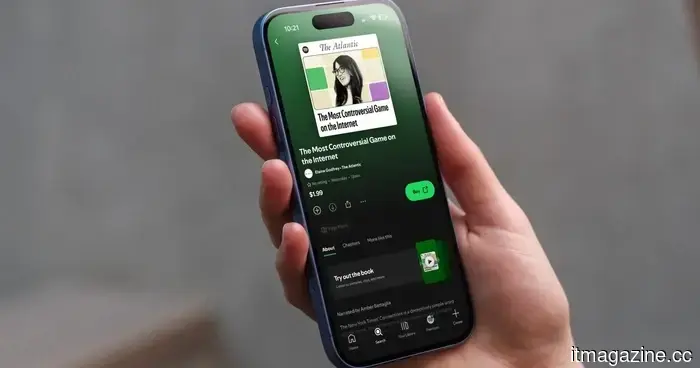 Spotify has simplified the process of staying updated on lengthy articles without the need to read them.
Spotify is launching over 650 narrated magazine articles from publications such as Rolling Stone, Vogue, WIRED, and others. Premium subscribers can begin listening to these articles using their audiobook credits starting today.
Spotify has simplified the process of staying updated on lengthy articles without the need to read them.
Spotify is launching over 650 narrated magazine articles from publications such as Rolling Stone, Vogue, WIRED, and others. Premium subscribers can begin listening to these articles using their audiobook credits starting today.
 Luna is wagering that you're weary of fitness subscriptions and suggesting its screenless band as the answer.
Luna's initial screenless fitness band will be launched in July, featuring no subscription fee. It includes voice-activated health logging, a battery life of 10 days, and is compatible with LifeOS for support with Siri and Gemini.
Luna is wagering that you're weary of fitness subscriptions and suggesting its screenless band as the answer.
Luna's initial screenless fitness band will be launched in July, featuring no subscription fee. It includes voice-activated health logging, a battery life of 10 days, and is compatible with LifeOS for support with Siri and Gemini.
 Luna believes you might be weary of fitness subscriptions and is presenting its screenless band as a solution.
Luna's initial screenless fitness band will launch in July, featuring no subscription fee. It offers voice-activated health logging, a 10-day battery life, and supports LifeOS for both Siri and Gemini.
Luna believes you might be weary of fitness subscriptions and is presenting its screenless band as a solution.
Luna's initial screenless fitness band will launch in July, featuring no subscription fee. It offers voice-activated health logging, a 10-day battery life, and supports LifeOS for both Siri and Gemini.
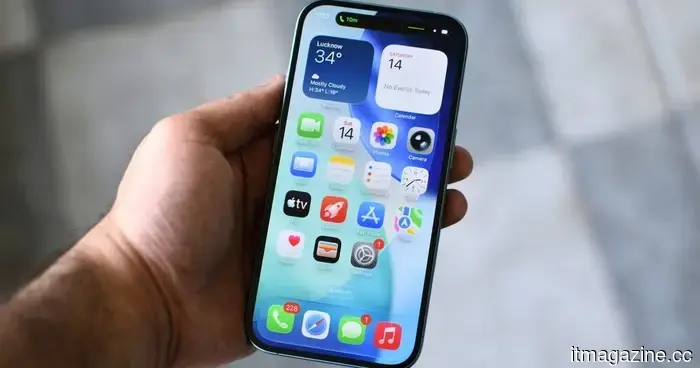 iOS 26.6 notifies you when you reach the limit of blocked contacts, and that's an issue.
The initial feature of iOS 26.6 by Apple is a notification that informs you when you have reached the maximum number of blocked contacts.
iOS 26.6 notifies you when you reach the limit of blocked contacts, and that's an issue.
The initial feature of iOS 26.6 by Apple is a notification that informs you when you have reached the maximum number of blocked contacts.
 The CEO of Barnes & Noble believes that AI-generated books are acceptable. He is mistaken.
The CEO of Barnes & Noble claims he has no issues with selling books written by AI. This may seem reasonable at first glance, but it's actually problematic, and here's why it poses a threat to all authors.
The CEO of Barnes & Noble believes that AI-generated books are acceptable. He is mistaken.
The CEO of Barnes & Noble claims he has no issues with selling books written by AI. This may seem reasonable at first glance, but it's actually problematic, and here's why it poses a threat to all authors.
 AI models exhibit a bias toward certain religions, and recent research has revealed this issue.
Researchers evaluated 14 prominent AI models for religious bias and identified a consistent trend: the models subtly prioritize certain religions over others, with Grok exhibiting the most pronounced bias, while Anthropic and Meta achieved the best performance.
AI models exhibit a bias toward certain religions, and recent research has revealed this issue.
Researchers evaluated 14 prominent AI models for religious bias and identified a consistent trend: the models subtly prioritize certain religions over others, with Grok exhibiting the most pronounced bias, while Anthropic and Meta achieved the best performance.
Apple might incorporate Android’s most intelligent anti-theft feature into future iPhones.
Apple is said to be working on a theft detection feature that utilizes motion sensors, AI, and proximity data from Apple Watches to automatically lock stolen iPhones.